
Plants
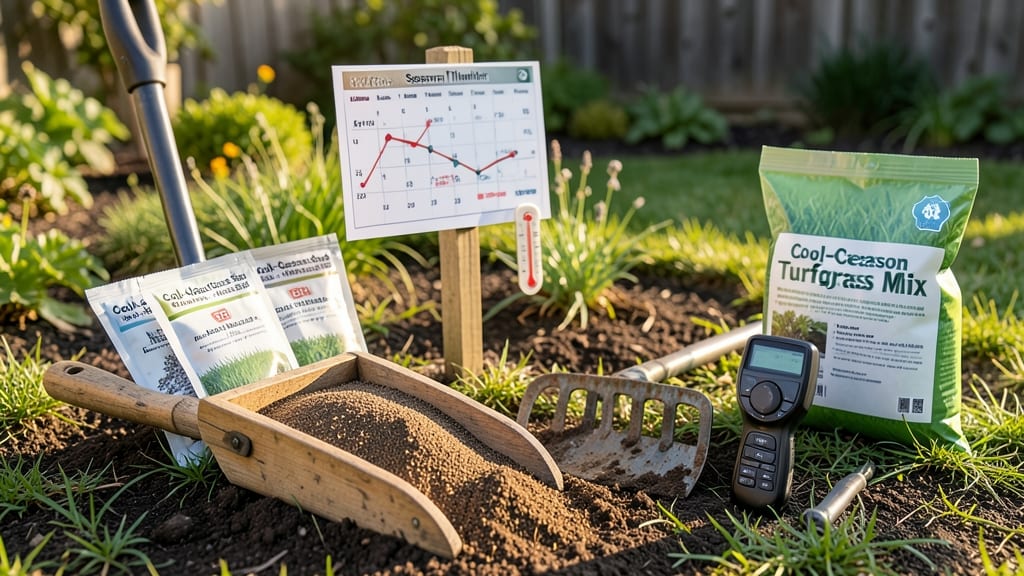
That late-September lawn project might feel urgent, but when is it too late to plant grass in Massachusetts—and the answer is after mid-September. Planting grass then risks weak roots and frost damage, leaving you with patchy, slow-growing 🌱 come spring.
The ideal window (March–September) gives seeds 6-12 months to establish before winter hits, but late starts force grass to compete with freezing temps and shorter days.
You’re not alone if you’ve missed the boat—many homeowners wait too long, only to discover their new grass struggles to survive. The key is understanding your USDA Zone (5b-7a) and whether you’re in coastal or inland Massachusetts, where frost arrives earlier or later.
Even a few weeks past the cutoff can mean the difference between a lush lawn and a winter recovery battle.
Don’t panic if your calendar says "too late." There are still ways to salvage your lawn, from overseeding with cold-hardy varieties to preparing the soil for a stronger spring planting. I’ll walk you through the signs your timing is off—and what to do next to avoid wasting seeds or money.
Let’s break down the exact cutoff, why it matters, and your best options if you’ve already missed this year’s window. Your lawn’s future depends on acting now.
Massachusetts late-season grass planting deadline: why late September is critical
If you're staring at a bare patch in your Massachusetts lawn and wondering whether to plant grass now, the answer depends on your last frost date and the biological clock of grass seeds.
For most of the state, late September is the absolute cutoff—after that, your seeds face a high risk of frost damage before they can establish roots. This deadline isn’t arbitrary: it’s tied to soil temperatures dropping below 50°F (10°C), which slows germination and weakens young roots.
Cool-season grasses like Kentucky bluegrass and tall fescue (the most common lawn types in MA) need 4-6 weeks of warm soil to grow strong roots before winter dormancy.
Planting after mid-September leaves little time for this critical window, especially in inland areas like Worcester or Springfield, where frosts arrive earlier than coastal regions like Cape Cod or Boston.
Soil temperature is the real villain here. Grass seeds need soil to stay above 55°F (13°C) for consistent germination. By late September, daytime highs may still feel warm, but nighttime lows can plunge, creating a temperature rollercoaster that stresses seedlings.
In USDA Zone 5b (western MA) or Zone 6a (eastern MA), this cutoff shifts to early September—so check your local frost data!
Regional variations matter: coastal areas like Providence, RI or New Bedford, MA can sometimes squeeze in late plantings until early October thanks to moderating ocean breezes. But inland cities like Amherst or Fitchburg should aim for mid-September at the latest.
Use the USDA Plant Hardiness Zone Map as a guide, but verify with your local UMass Extension office for hyper-local advice.
Here’s the hard truth: if you plant after September 15th in most of MA, your grass will likely germinate slowly, stunt, or freeze before establishing. The few blades that survive will be weak, patchy, and vulnerable to weeds next spring.
But don’t despair—there are still ways to salvage your lawn or prepare for a stronger spring planting.
| Grass Type | Ideal Planting Window | Late-Season Cutoff | Soil Temp Requirement | Notes |
|---|---|---|---|---|
| Kentucky Bluegrass | Early spring (March-April) or early fall (Aug-Sept) | Mid-September (coastal) / Early Sept (inland) | 55°F+ (13°C+) | Cold-hardy but needs root time |
| Tall Fescue | Late summer to early fall (Aug-Oct) | Early October (coastal only) | 50°F+ (10°C+) | Drought-tolerant but slower to establish |
| Perennial Ryegrass | Early spring or early fall | Late Sept (all regions) | 55°F+ (13°C+) | Fast germinator but weak roots |
| Fine Fescue | Late summer to early fall | Mid-Sept (all regions) | 45°F+ (7°C+) | Shade-tolerant, best for late plantings |
🌱 Pro Tip: Mix fine fescue with Kentucky bluegrass for a late-season hardier blend.
If you’re planting warm-season grasses like Bermuda grass or Zoysia (less common in MA but used in southern regions), your window extends to late May—but these types struggle in MA’s winters and aren’t recommended for full lawn coverage. Stick to cool-season varieties for year-round resilience.
One final piece of advice: if you’re on the fence, test your soil temperature with a simple soil thermometer (available at garden centers for ~$10). Bury it 2 inches deep and check readings at 10 AM.
If it’s below 55°F (13°C), your seeds will struggle to germinate. This is your last chance to act before winter sets in.
Ready to proceed? Grab your seeds, rake that soil, and let’s get planting—before it’s too late! 🌱
Massachusetts late-season grass planting deadline: why late September is critical
Massachusetts' September 15 cutoff isn't arbitrary—it’s based on soil temperatures dropping below 50°F (10°C), which stalls grass root growth. Cool-season grasses like Kentucky bluegrass and fescue (the most common types here) need 6-8 weeks of warm soil to establish deep roots before winter dormancy.
Planting after this date means seeds struggle to germinate or sprout weak, frost-sensitive shoots.
Inland areas (like Worcester or Springfield) face earlier frosts (mid-October), while coastal regions (Boston, Cape Cod) get 2-3 extra weeks of warmth. Even if your USDA Zone 5b-7a seems forgiving, daylight hours shrink after September, reducing photosynthesis for new seedlings.
Without strong roots, your grass will brown out or require costly spring repairs.
Here’s the hard truth: Grass planted after mid-September in most of Massachusetts has a 50% lower success rate compared to spring plantings. The window between March and early September gives seeds time to germinate, grow roots, and harden off before winter—something late plantings simply can’t achieve.
| Grass Type | Ideal Planting Months | Late-Season Risk | MA-Specific Notes |
|---|---|---|---|
| Cool-Season (Kentucky Bluegrass, Fescue, Ryegrass) | March–September | High frost damage after Sept 15 | Best for inland MA (earlier frost) |
| Warm-Season (Bermuda, Zoysia) | May–July | Poor germination in cool soil | Rare in MA; not recommended |
| Perennial Ryegrass (Fast-Germinating) | March–October | Moderate risk if planted by Sept 30 | Good for coastal MA (later frost) |
Soil temperature is the real villain here. Grass seeds need soil at least 55°F (13°C) to germinate, and by late September, most of Massachusetts drops below that.
Even if you see green shoots, they’ll brown within weeks when nighttime temps dip into the 30s. The 6-12 month establishment period for a full lawn simply doesn’t exist if you plant too late—roots can’t compensate for lost growing days.
What’s the alternative? If you’ve already missed the September 15 deadline, don’t rush to buy seeds. Instead, focus on soil prep for spring or overseeding with cold-hardy varieties.
I’ll cover those options in the next section, but first, let’s talk about how to spot a failed late planting—and what you can do to salvage it before winter.
Your lawn’s long-term health depends on timing, not just effort. Skipping the ideal window forces grass into a defensive survival mode rather than building the strong root system it needs to thrive. The good news? You’re not doomed—just informed. Let’s turn that knowledge into action.