
Plants
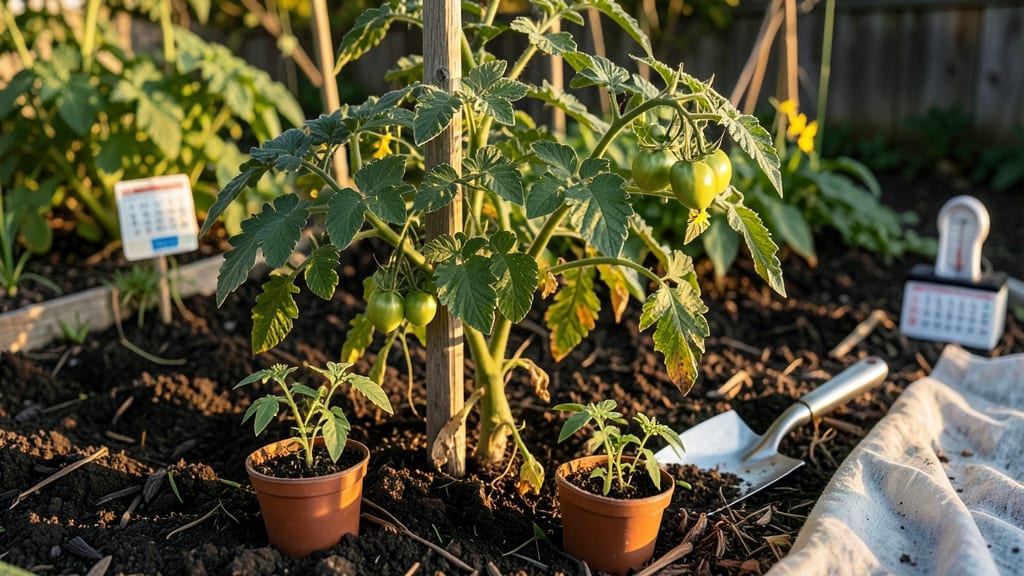
If you're staring at your Ohio garden bed in early June wondering when it is too late to plant tomatoes in Ohio, you're not alone—this is the perfectly panicked moment many gardeners face.
The official planting window might have closed, but with the right moves, you can still coax a harvest from your 🍅 plants before Ohio’s early frost hits.
Ohio’s Zone 6a climate gives you about 165 frost-free days, and late plantings can work if you choose fast-maturing varieties or use season-extending tricks. The key isn’t just timing—it’s knowing how to outsmart Mother Nature’s chillier moments.
I’ll break down exactly how late you can push your tomato planting, which varieties still have a shot at maturity, and the game-changing techniques (like row covers or black plastic mulch) that could save your harvest. Let’s turn that "too late" panic into a successful late-season garden.
Whether you’re a first-time gardener or a veteran with frost-bitten regrets, these strategies will help you decide: Is it worth the gamble, or should you wait for next spring? The answer might surprise you.
Ohio’s last safe planting dates for tomatoes by microclimate
Ohio’s USDA Zone 5-7 climate means your last safe planting window for tomatoes depends heavily on your exact location. In most of Ohio, the absolute cutoff for traditional outdoor planting falls between June 15-21, but this varies by microclimate and soil temperature.
For example, northern Ohio (Zone 5) has a tighter window than southern Ohio (Zone 7), where you might squeeze in a late planting until July 1 with protective measures.
Tomatoes need at least 60°F soil temperature and 70-80°F air temperature to thrive. If you’re planting after June 15, your plants will enter a race against frost, which typically arrives in Ohio between October 10-20.
Using a soil thermometer is critical—planting in cool soil delays germination and weakens seedlings.
Here’s the breakdown by Ohio’s major regions, including average first frost dates and extended-season options:
If you’re in Zone 5 and plant after June 15, prioritize fast-maturing varieties like ‘Early Girl’ (55 days) or ‘Stupice’ (a cold-hardy heirloom that tolerates light frosts).
In Zone 7, you can push the envelope with cherry tomatoes (e.g., ‘Sweet 100’) or determinate varieties, which produce fruit faster than indeterminate types.
One common mistake is ignoring soil temperature—even if air temps are warm, cool soil (below 60°F) will stunt your tomatoes. Use black plastic mulch or straw mulch to raise soil temps by 5-10°F.
For late plantings, I recommend laying down mulch 1-2 weeks before transplanting to give the soil time to warm.
Another critical factor is day length. Tomatoes need 12+ hours of daylight to set fruit. If you’re planting after July 1, your plants may struggle to produce viable fruit due to shorter days. This is why northern Ohio has a stricter cutoff—longer nights reduce flowering and fruiting.
For gardeners in Zone 6a (Columbus area), the June 21 cutoff aligns with the average first frost of October 15. This leaves about 115 frost-free days, which is just enough for mid-season varieties (70-80 days to maturity).
If you plant after this date, your harvest window shrinks dramatically, and you’ll likely only get partial yields.
To maximize your chances, pair late plantings with season-extending tools like row covers or cold frames. These can push your harvest window by 2-4 weeks, but they require upfront setup.
For example, a removable row cover (like Agribon) costs $20-$50 but can add 30+ frost-free days if removed during the day for pollination.
If you’re still unsure, consider container gardening. Pots can be moved to sunny spots or even greenhouses as temperatures drop. Just ensure your containers have drainage holes and use a lightweight potting mix to prevent root rot in Ohio’s humid summers.
Ohio’s last safe planting dates for tomatoes by microclimate
Ohio’s Zone 6a climate creates a tight window for tomato planting, but regional microclimates can shift those deadlines by 2-3 weeks.
The average last frost date hovers around April 15, but northern Ohio (like Toledo) often sees frost lingering until May 1, while southern Ohio (like Cincinnati) may warm up by April 1. These variations mean your "too late" cutoff depends heavily on your exact location.
For most of Ohio, the absolute latest you should plant tomatoes outdoors is June 1—but only if you’re growing fast-maturing varieties (like ‘Early Girl’ (60 days) or ‘Patio’ (55 days)) and using season-extending tools.
Beyond this date, even early varieties struggle to reach maturity before Ohio’s first frost (October 15), leaving you with bitter, unripe fruit.
Soil temperature is the real dealbreaker. Tomatoes won’t thrive in soil below 60°F, and Ohio’s June soil often hovers around 65-70°F—barely enough for success.
If your soil is cooler (common in shaded or northern Ohio areas), push your planting to May 15 at the latest for reliable results.
If you’re in northern Ohio and planting after May 15, your best bet is to start seeds indoors by early May and transplant hardened-off seedlings in late May. This buys you 8-10 extra days of growth before frost.
For southern Ohio gardeners, you can push it to June 10—but only with fast varieties and row covers.
Don’t overlook microclimates like south-facing walls, greenhouses, or even paved areas (which absorb heat). These spots can add 1-2 weeks to your growing season. For example, a black plastic mulch under your plants can raise soil temps enough to plant 10 days later than the official deadline.
Remember: Late plantings mean smaller yields and higher disease risk, but with the right variety and care, you can still enjoy a few ripe tomatoes before frost. The key is acting fast—once July hits, even early varieties won’t have time to mature.