
Plants
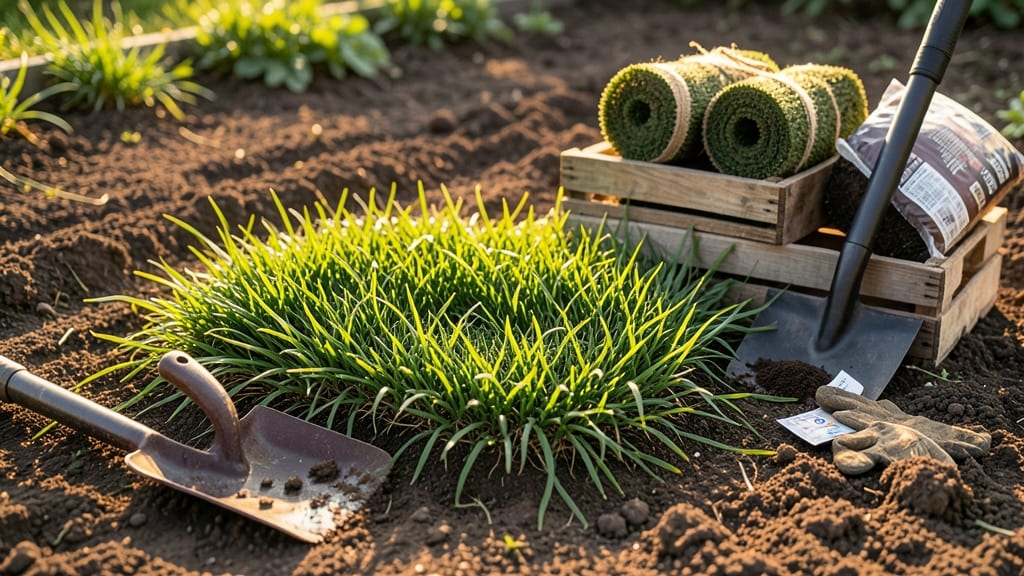
Planting Bermuda grass at the wrong time in California’s climate can turn your dream of a lush lawn into a frustrating battle against the heat.
With 300+ frost-free days and intense summer sun, timing is everything to give your 🌱 Bermuda Grass the best chance to establish strong roots before the real heat hits.
Most gardeners in zones 9a-10b assume spring is the only window, but late summer planting actually works better in many regions. The key is avoiding extreme heat stress while soil temperatures are still warm enough for germination. Let me show you exactly when to plant for maximum success.
Whether you're in coastal areas with milder summers or inland zones where temperatures soar, we'll break down the ideal planting windows. You'll learn how to prepare your soil, recognize the perfect conditions, and avoid common mistakes that waste time and money.
By the end, you'll know exactly when to plant Bermuda grass in California to get that vibrant, drought-resistant lawn you've been dreaming of. Let's get started on your perfect green space!
Best months to plant Bermuda grass in California’s climate zones
California’s diverse climate—from coastal fog to inland deserts—means Bermuda grass planting windows vary dramatically. In Southern California (USDA Zones 9b-10b), where summers are scorching and winters mild, the ideal time is late spring (March–April) or late summer (August–September).
Meanwhile, Northern California (USDA Zone 9a) gardeners should aim for April–May to avoid late spring frosts, which are rare but possible in higher elevations.
Bermuda grass thrives in heat and full sun, but planting too early risks cool soil temperatures that slow germination. Soil should stay above 65°F (18°C) for 4+ weeks to encourage strong root growth.
Inland areas like the Central Valley hit this mark by mid-March, while coastal regions may need to wait until April.
Here’s how California’s microclimates affect your planting schedule:
| Climate Zone | Best Planting Window | Soil Temp Requirement | Heat Tolerance Threshold |
|---|---|---|---|
| Southern CA (Inland) | March–April or August–September | 65°F+ (18°C+) | Up to 105°F (40°C) |
| Southern CA (Coastal) | April–May or August–September | 68°F+ (20°C+) | Up to 95°F (35°C) |
| Northern CA (Sacramento) | April–May or August–September | 70°F+ (21°C+) | Up to 100°F (38°C) |
| Northern CA (Mountain Foothills) | May–June or September | 72°F+ (22°C+) | Up to 90°F (32°C) |
If you plant in late summer (August–September), Bermuda grass benefits from fall rains and cooler nights, which reduce stress. This method is popular in drought-prone areas like San Diego or Fresno, where summer heat can overwhelm young seedlings.
Just ensure your irrigation system is fully functional before planting—Bermuda grass needs deep, infrequent watering to establish roots.
Pro tip: Use a soil thermometer to monitor temperatures. If soil stays below 65°F (18°C) for more than a week, delay planting until conditions improve. In high-desert regions like Palm Springs, even March plantings may struggle if nights dip below 50°F (10°C).
For new lawns, aim to have Bermuda grass fully established by June to avoid summer dormancy. Overseeding in late summer is another smart strategy—it leverages cooler temps and increased humidity for faster germination.
Just remember: Bermuda grass is warm-season, so it goes dormant in winter. Planting in spring or fall ensures it has time to root deeply before summer’s peak heat.
One common mistake? Planting in October or November. While soil may still be warm, daylight hours shorten, slowing growth. Bermuda grass needs 10+ hours of daylight daily to thrive. If you miss the spring window, wait until August—just be prepared for intense summer competition from weeds.
🌱
How to prepare your soil and lawn for Bermuda grass planting
Preparing your soil properly is the foundation for a thriving Bermuda grass lawn in California. Since this grass thrives in well-draining, slightly acidic soil, I always start with a thorough soil test to check the pH level and nutrient balance.
Most California soils tend to be alkaline, which can hinder Bermuda grass growth, so adjusting the pH is often necessary.
Begin by testing your soil's pH using a home soil test kit or sending a sample to a local extension office. Bermuda grass prefers a pH between 6.0 and 7.0.
If your soil is too alkaline, you'll need to add sulfur or peat moss to lower the pH gradually over a few weeks. This step is crucial because Bermuda grass struggles to absorb nutrients in alkaline conditions.
Once the pH is ideal, focus on improving soil structure. Bermuda grass loves loose, sandy soil that allows roots to spread easily. If your soil is heavy clay, mix in compost or sand to enhance drainage.
I recommend working in 2-3 inches of compost into the top 6 inches of soil to provide essential nutrients while improving texture.
Before planting, clear the area of any existing vegetation, including weeds and other grasses. Bermuda grass is aggressive and will outcompete weaker plants, but it needs a clean slate to establish properly.
Use a non-selective herbicide if necessary, followed by deep tilling to break up compacted soil and incorporate organic matter.
🌱
Step-by-Step Soil Prep for Bermuda Grass
- Test soil pH (aim for 6.0-7.0)
- Adjust pH with sulfur or peat moss if needed
- Remove weeds using herbicide or manual removal
- Till soil to 6 inches deep, adding compost
- Level ground and rake smooth for even planting
- Install irrigation before planting to ensure consistent watering
After preparing the soil, the next critical step is setting up proper irrigation. Bermuda grass requires deep, infrequent watering to encourage deep root growth. Install a drip irrigation system or soaker hoses to deliver water directly to the root zone, reducing evaporation.
Water deeply 2-3 times per week during the first month after planting to help the grass establish strong roots before the summer heat arrives.
Finally, consider applying a starter fertilizer with a balanced NPK ratio (like 16-4-8) just before planting. This gives your Bermuda grass an immediate nutrient boost to kickstart growth.
Avoid heavy fertilizers early on, as they can burn young seedlings. Instead, opt for a slow-release formula that provides steady nutrition over time.
With these steps completed, your lawn will be perfectly primed for Bermuda grass planting. The key is patience—proper soil preparation now will pay off with a lush, drought-resistant lawn that requires less maintenance once established. Don't rush this process, as taking the time now will save you headaches later.