
Plants
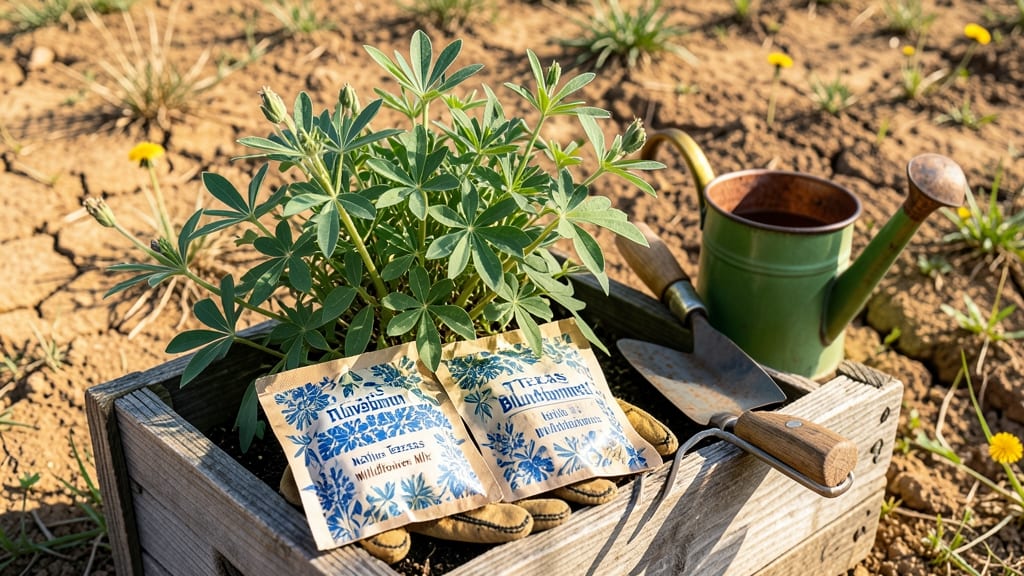
Planting wildflower seeds in Texas at the wrong time means waiting years to see your 🌼 meadow bloom—or worse, watching them fail before they even sprout. The best window depends on where you live, since North Texas's chilly winters and South Texas's balmy springs create completely different growing conditions.
For most of us in zones 6a-10a, fall planting (September-November) is the game-changer—seeds germinate in cool weather, establish roots before summer heat, and reward you with spring blooms. But if you're in the Gulf Coast region, spring planting (February-April) works better to avoid hurricane season's heavy rains.
I'll break down exactly when to plant by region, including soil prep tips for each zone, so you can time it perfectly for year-round color. Whether you're chasing bluebonnets in the Hill Country or black-eyed Susans along the coast, these strategies will help you skip the guesswork.
Let's dive into the ideal planting schedule that matches your local climate—so you can enjoy Texas's famous wildflower displays without the frustration of trial and error.
Texas wildflower planting schedule by region: best months for Bluebonnets, indian paintbrush & more
Texas's diverse climate means your wildflower planting window depends entirely on where you live. The Lone Star State spans USDA zones 6a-10a, creating vastly different conditions from North Texas to the Gulf Coast.
For example, Bluebonnets in Central Texas thrive when planted in fall (September-October), while South Texas gardeners can sow them as early as August.
Let’s break down the ideal planting months for each region, including soil prep and rainfall timing to maximize your chances of a show-stopping wildflower display. Whether you’re in dry West Texas or humid East Texas, these guidelines will help you align with nature’s calendar.
🌱
In North Texas, where last frost dates hover around February 15, planting wildflower seeds in late September gives them time to establish roots before winter dormancy. This timing also aligns with natural rainfall patterns, reducing your need for irrigation.
For Central Texas, the Hill Country’s cooler fall temperatures create perfect conditions for Bluebonnets to germinate and thrive.
If you’re in South Texas, where humidity and heat persist longer, sow seeds in August to beat the summer drought. The Gulf Coast’s milder winters also allow for January-February spring plantings, extending your blooming season.
Meanwhile, West Texas gardeners should prioritize fall planting to take advantage of cooler temperatures and limited rainfall, which helps prevent seed washout.
For all regions, soil preparation is key. Wildflowers prefer well-draining soil with minimal disturbance—avoid tilling, which can bury seeds too deeply. Instead, scratch the soil surface lightly with a rake or hoe to create a textured bed that mimics natural conditions.
Adding a thin layer of compost (1-2 inches) improves fertility without smothering seeds.
Pro tip: Native seed mixes are pre-adapted to your region’s climate, so always choose local varieties like Bluebonnets for Central Texas or Coreopsis for South Texas. These species have evolved to thrive
How to extend your wildflower season: fall vs. spring planting strategies for Texas gardens
Choosing between fall and spring planting can make or break your Texas wildflower meadow. Fall planting (September-November) is my top recommendation for most regions—it lets seeds germinate in cool weather, establish roots before summer heat, and bloom next spring.
But spring planting (February-April) has its perks too, especially in warmer zones.
For example, Bluebonnets thrive when planted in fall, while Black-eyed Susans often do better with spring planting. The key is matching your seed mix to your local climate. Let’s compare the two strategies so you can decide which works best for your garden.
Fall Planting vs. Spring Planting
| Factor | Fall Planting (Sep-Nov) | Spring Planting (Feb-Apr) |
|---|---|---|
| Best For | Cool-season bloomers (Bluebonnets, Indian Paintbrush) | Warm-season bloomers (Black-eyed Susans, Coreopsis) |
| Moisture Needs | Moderate (avoid drought) | Low (established plants tolerate heat) |
| Bloom Time | Spring (March-May) | Summer-Fall (June-October) |
| Soil Prep | Loosen top 1/2 inch, no fertilizer | Rake lightly, add compost |
| Regions Best Suited | North, Central, West Texas | South Texas, Gulf Coast |
If you want year-round color, try planting half your seeds in fall and half in spring. For example, scatter Bluebonnet seeds in October for spring blooms, then add Mexican Feather Grass in March for summer interest. This two-pronged approach ensures your garden stays vibrant from March through October.
For South Texas gardeners, spring planting is often safer—avoiding hurricane season’s heavy rains that can wash away seeds. In contrast, North Texas’s cooler winters make fall planting ideal. Always check your last frost date (e.g., February 15 in North Texas) to time your planting perfectly.
Pro tip: Use a seed mix with both fall- and spring-blooming species. This way, you get continuous color without worrying about timing. For instance, combine Bluebonnets (fall-planted) with Blanket Flowers (spring-planted) for a nonstop show.
Remember, moisture is critical in both seasons. After planting, keep soil lightly moist until germination (about 2-4 weeks). Once established, most wildflowers thrive on occasional deep watering—just enough to keep them from wilting during Texas summers.