
Plants
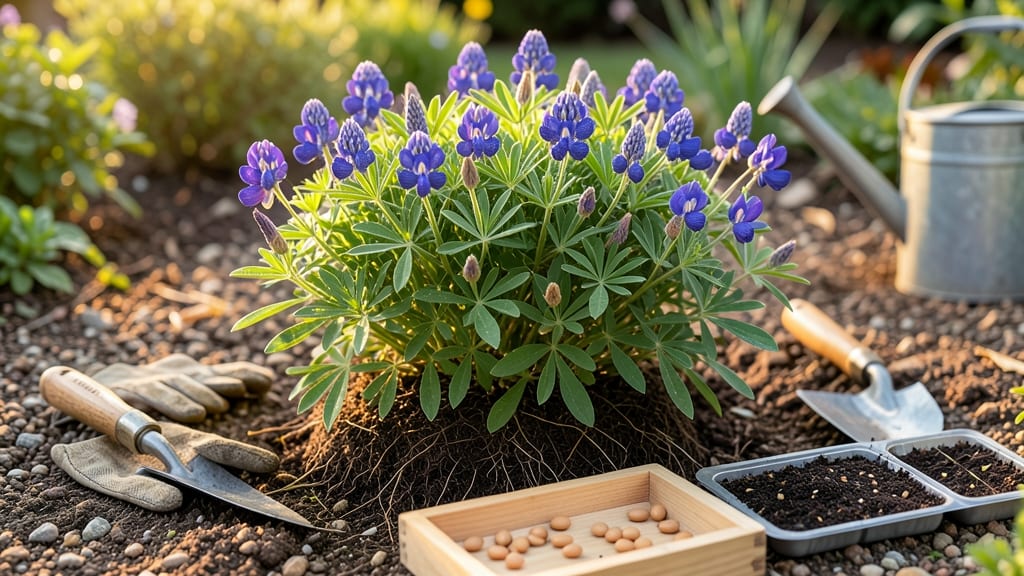
If you’ve ever dreamed of waking up to a sea of blue carpeting Austin’s hillsides—just like the iconic springtime scenes—when to plant bluebonnet seeds in Austin is everything.
Planting them too early or late means missing that show-stopping display entirely, and in Zone 8a, the window is narrower than you think.
Most gardeners assume fall is the only time to sow bluebonnets, but the exact months matter just as much as the method. Scatter those seeds too soon after summer’s heat, and they’ll rot; wait too long, and winter’s chill will stall germination.
I’ll break down the precise September-November window that works for Austin’s climate—plus how to prep your soil so those 🌸 seeds thrive.
You don’t need a green thumb to pull this off—just a few smart tricks. We’ll cover everything from avoiding overwatering (bluebonnets hate soggy soil) to dealing with Austin’s unpredictable rainfall. Ready to turn your yard into a wildflower paradise? Let’s get those seeds in the ground the right way.
The best part? Once established, bluebonnets are practically maintenance-free. With the right timing, you’ll have vibrant blooms next spring that’ll make your neighbors green with envy. Let’s make sure you’re planting at the perfect moment.
Austin’s bluebonnet planting calendar: exact dates by month
Timing is everything when planting bluebonnet seeds in Austin. Since these Texas state flowers thrive in cool weather, fall is your best bet—but there’s a specific window to maximize germination.
Austin’s USDA Zone 8b climate means avoiding late frosts (January 15) and summer heat, which can bake seeds before they sprout.
The ideal planting window spans from mid-September to late November. This aligns with soil temperatures dropping below 80°F, a critical threshold for seed viability.
Planting too early (before September 15) risks summer heat stress, while waiting until December may expose seeds to early winter frosts, reducing success rates.
Here’s the breakdown you need to nail your bluebonnet planting schedule:
| Month | Best Planting Window | Soil Temp (°F) | Notes |
|---|---|---|---|
| September | Mid-September to early October | 70–80°F | Best germination; avoid late summer heatwaves. |
| October | Entire month | 60–70°F | Optimal window; seeds germinate before winter. |
| November | Early to mid-November | 50–60°F | Last chance; cover seeds if frost threatens. |
| December | Not recommended | Below 50°F | Risk of frost damage; seeds may not sprout. |
Spring planting is possible but risky. If you miss fall, you can try sowing in late January to early February, but success depends on consistent moisture and avoiding late frosts.
Bluebonnets are annuals that germinate, grow, bloom, and die in one cycle, so timing matters for that iconic spring display.
Pro tip: Check Austin’s frost dates annually—they can shift slightly. The National Weather Service or local Texas A&M AgriLife Extension provides updated forecasts. For maximum blooms, aim to have seeds in the ground by October 15, giving them time to establish roots before winter.
Once planted, bluebonnets need minimal care—they’re drought-tolerant and thrive in Austin’s caliche soil. Just ensure your site gets full sun (6+ hours daily) and avoid overwatering, which can rot seeds. With the right timing, you’ll have vibrant blue carpets by March, just like the wildflowers along Texas highways.
Remember, bluebonnets are self-seeding, so established plants will naturalize over time. The key is getting those first seeds in the ground at the perfect moment—and this calendar ensures you do.
How to prepare Austin soil for bluebonnet seeds: step-by-step pre-planting guide
Bluebonnets thrive in Austin’s native prairie conditions, but your backyard soil might need a few adjustments to mimic their natural habitat. The key is well-draining, slightly alkaline soil with minimal organic matter—too much compost can actually prevent germination.
I’ve planted bluebonnets in clay-heavy Austin soil for years, and these steps have become my go-to routine for success.
Start by testing your soil pH—bluebonnets prefer a range of 6.8 to 7.5. If your soil is too acidic, sprinkle pelletized lime (about 1 pound per 100 sq ft) and work it into the top 4 inches.
For clay soil, which is common in Austin, mix in coarse sand or perlite to improve drainage without smothering the seeds.
- 🔹 Clear debris: Remove weeds and rocks from planting area
- 🔹 Test pH: Aim for 6.8-7.5 (use test kit or lab service)
- 🔹 Amend clay: Mix in 20% coarse sand or perlite
- 🔹 Lightly rake: Create rough surface (no deep tilling)
- 🔹 Add mulch: Use straw or pine needles (not wood chips)
One of my biggest mistakes was over-amending the soil with compost—bluebonnets actually prefer lean conditions. Instead, create a minimalist planting surface by lightly raking the soil to break up clumps, then scatter seeds directly on top.
For large areas, use a broadcast spreader set to 1/4 pound per 1,000 sq ft. This mimics how bluebonnets naturally self-sow in wild prairie.
Consider companion planting to create an ecosystem that supports bluebonnets. Plant wildflowers like Indian paintbrush or native grasses nearby—they’ll attract pollinators that help bluebonnets thrive. Avoid planting with competitive perennials like black-eyed Susans, which can crowd out young seedlings.
I’ve found that winter rye cover crop planted in early fall actually improves soil structure for bluebonnets when tilled under in spring.
After preparing the soil, lightly cover seeds with a thin layer of soil (no more than 1/4 inch) or use a straw mulch to protect them from birds and erosion. Water gently but thoroughly—bluebonnets need consistent moisture during germination, but avoid creating puddles.
Once established, they’ll handle Austin’s unpredictable rainfall like champs. The key is getting that initial moisture balance right.
Remember that bluebonnets are drought-tolerant once established, so don’t overdo the watering. In fact, overwatering is one of the most common reasons they fail to thrive. The goal is to create conditions that mimic their natural Texas habitat—well-draining, slightly alkaline, and minimally fertilized.
With these soil prep steps, you’ll be well on your way to that iconic Austin blue next spring.