
Plants
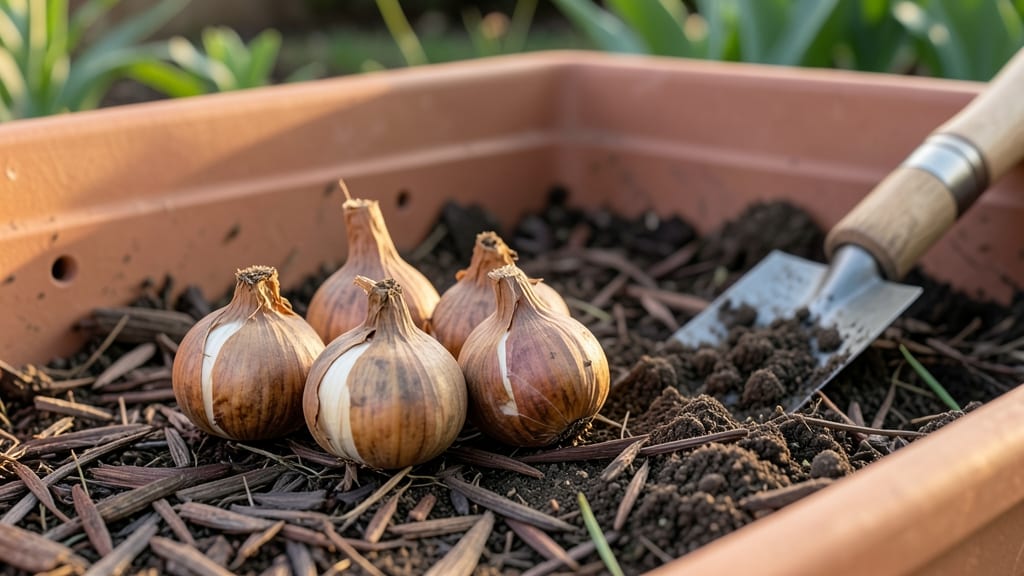
Planting tulip bulbs in California at the wrong time can mean the difference between a spring garden bursting with color and a sad, wilted disappointment. With the state’s diverse microclimates—from frost-free coastal areas to chilly inland valleys—getting the timing right is the key to success.
I’ve seen firsthand how a few weeks can change everything, especially when it comes to 🌷 tulips that thrive in cooler conditions. Whether you’re in USDA zones 7b-10b or somewhere in between, knowing when to plant ensures your bulbs get the cold dormancy they need before bursting into bloom.
Let’s break down the best months for your region—whether you’re in foggy San Francisco, sunny Los Angeles, or the desert-like climate of Palm Springs. You’ll learn how to prepare your soil, when to plant for maximum impact, and even how to trick tulips into blooming in warmer areas.
Ready to transform your garden into a springtime masterpiece? Let’s get started with the perfect planting schedule for your California zone.
Best months to plant tulip bulbs in California by climate Zone
California’s microclimates create a puzzle for tulip lovers—what’s perfect for San Francisco’s foggy coast can fail in Palm Springs’ desert heat. Tulips thrive in cool winters, but California’s USDA zones 7b-10b demand region-specific timing.
Plant too early, and bulbs rot; too late, and they won’t bloom. Let’s break it down by zone to ensure your 🌷 tulips put on their best show.
Northern California (e.g., San Francisco, Sacramento), in USDA zones 7b-9a, gets cooler winters with frost risks. Here, aim to plant October 15–November 15, giving bulbs 6-8 weeks to root before the first frost (typically December 15).
Coastal areas like San Francisco may push planting to November 1–December 15 due to milder temps.
Central California (e.g., Los Angeles, San Diego, USDA zones 9b-10a) has mild winters with rare frost. Plant November 15–January 15—this mimics the cool dormancy tulips need.
In San Diego’s coastal zone, you can even plant as late as January, but expect smaller blooms if the ground stays warm.
Southern California (e.g., Palm Springs, Riverside, USDA zones 9b-10b) is trickier. Tulips won’t naturalize here, but you can force blooms with chilling tricks. Plant December 1–January 15 in well-draining containers and store them in a cool garage (40–50°F) for 8–10 weeks before moving outdoors.
| Region | USDA Zone | Best Planting Window | Soil Temp Goal | Frost Notes |
|---|---|---|---|---|
| Northern CA (Sacramento, Redding) | 7b–9a | October 15–November 15 | 50–60°F | First frost: Dec 15 |
| Central CA (LA, San Diego) | 9b–10a | November 15–January 15 | 55–65°F | Frost rare; plant later |
| Southern CA (Palm Springs, Riverside) | 9b–10b | December 1–January 15 | 60–70°F (with chilling) | No frost; use containers |
| Coastal CA (SF, Santa Barbara) | 9b–10a | November–January | 55–60°F | Fog delays frost |
For all regions, soil temperature is critical. Tulip bulbs need 50–60°F soil to root. Use a soil thermometer—if temps are above 65°F, wait or plant in shaded, raised beds.
In heavy clay soils (common in Sacramento), amend with compost or sand to improve drainage and prevent bulb rot.
Pro tip: Double-check frost dates using the Almanac’s Frost Calculator for your exact location. In Northern CA, planting too early (before October 15) can cause bulbs to sprout and die in warm soil.
In Southern CA, container gardening is your best bet—fill pots with well-draining mix and place them in partial shade until spring.
After planting, mulch with 2–3 inches of straw or shredded leaves to insulate bulbs from temperature swings. In mild-winter zones like San Diego, mulch also prevents weed competition.
Remember: Tulips are perennials, but they won’t rebloom reliably in California’s warm winters—treat them as annuals for best results.
If you miss the ideal window, don’t panic. You can plant tulip bulbs in January in coastal or Central CA, though blooms may be smaller or delayed. For Southern CA, hold off until next fall—these bulbs won’t survive without a cool dormancy period.
The key is patience and preparation—your 🌷 spring garden will thank you!
Best months to plant tulip bulbs in California by climate Zone
California’s microclimates create a puzzle for tulip lovers—what works in San Francisco’s foggy coast fails in Palm Springs’ desert heat. The golden rule? Plant when soil temps hit 60°F or below and 6-8 weeks before frost. But since frost is rare in Zone 10a, we adapt.
For Northern California (USDA 7b-9a), like Sacramento or Redding, aim for October 15–November 15. The first frost usually hits mid-December, giving bulbs time to root. In Central California (Los Angeles, San Diego, Zone 9b-10a), stretch planting to November 1–January 15—cooler coastal areas can handle later dates.
Southern California (Palm Springs, Riverside, Zone 9b-10b) is trickier. Most tulips need 12-16 weeks of cold to bloom. If your winter stays above 50°F, try chilling bulbs indoors (see Section 3) or opt for dwarf varieties like ‘Ice Cream’ that tolerate warmth better.
🌱
| Region | USDA Zone | Best Planting Window | Soil Temp Goal | Frost Note |
|---|---|---|---|---|
| Northern CA (Sacramento, Redding) | 7b-9a | October 15–November 15 | 60°F or below | First frost: Dec 15 |
| Central CA (LA, San Diego) | 9b-10a | November 1–January 15 | 55°F or below | Coastal: Rare frost |
| Southern CA (Palm Springs) | 10a-10b | November–December (chill required) | 50°F or below | No frost; use chilling |
Pro tip: Use a soil thermometer to check depth (6 inches). If temps stay above 60°F for weeks, bulbs may rot before rooting. In Zone 10b, I’ve had success with container-grown tulips moved to shaded patios in winter—just replant in fall for next year.
For high-altitude areas like Truckee (Zone 6b), plant by September 15—earlier frosts demand it. And remember: bulb size matters. Larger bulbs (12"+) handle warmth slightly better than small ones.
🌿