
Plants
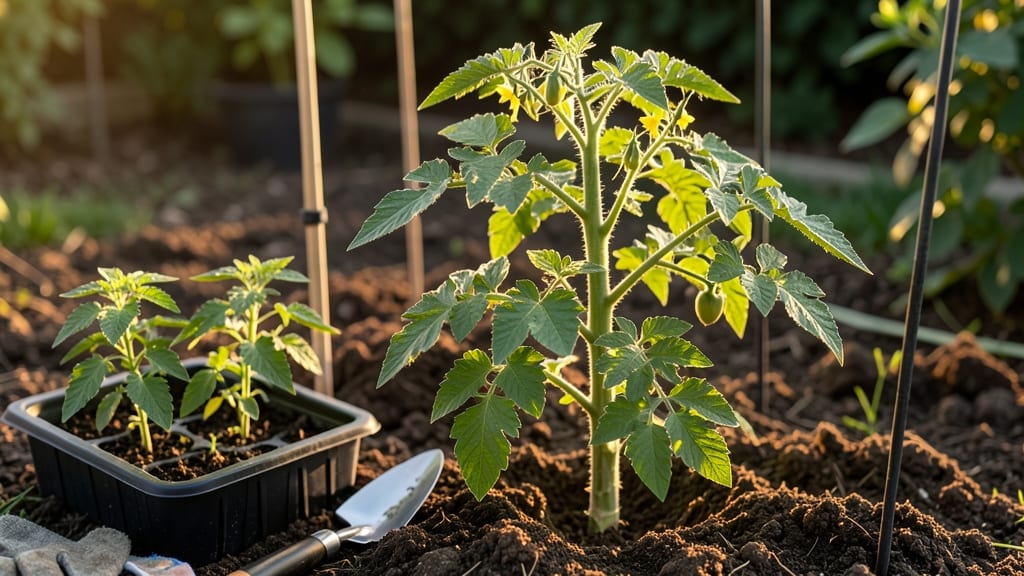
Planting tomatoes in New Jersey at the wrong time can mean the difference between a backyard full of juicy 🍅 and a sad, frost-bitten disappointment.
The key to success lies in understanding your zone's specific frost dates and heat thresholds—because even a few days off can ruin your harvest before it begins.
For gardeners in zones 6b-7a, timing is everything. You'll want to start seeds indoors 6-8 weeks before your last frost date (typically mid-April), then transplant outdoors only after soil temperatures hit a steady 60°F.
But here's the catch: rushing too early can leave your plants vulnerable to late frosts, while waiting too long might leave you with stunted growth from summer heat.
I'll walk you through the exact planting windows for both transplanting and direct sowing methods, plus proven strategies to extend your growing season. Whether you're a first-time gardener or a seasoned pro, these insights will help you maximize your tomato yield in NJ's unique climate.
From selecting the right varieties to using row covers for protection, you'll discover how to turn your garden into a productive tomato powerhouse. Let's get those plants in the ground at the perfect moment!
NJ tomato planting deadlines by Zone 6b vs 7a: frost dates & heat tolerance
New Jersey's Zone 6b-7a climate creates distinct planting windows for tomatoes. In Zone 6b (northern NJ), your last frost typically arrives around April 15, while Zone 7a (southern NJ) enjoys frost-free conditions by March 25.
These dates determine when you can safely transplant seedlings outdoors after indoor starts or direct-sow seeds.
The key metric isn't just frost dates—it's soil temperature. Tomatoes won't thrive until the soil reaches a steady 60°F. In northern NJ, this usually happens by mid-May, while southern areas may hit this threshold as early as late April.
Using a soil thermometer ensures you don't plant too soon.
For transplanted seedlings, aim to move them outdoors 1-2 weeks after your last frost date. This gives your plants time to acclimate to outdoor conditions through a process called hardening off.
In Zone 6b, that means transplanting around May 1-15, while Zone 7a gardeners can start as early as April 15-30.
Direct sowing seeds works best in warmer soil, so wait until soil temperatures exceed 60°F. In northern NJ, this typically means late May, while southern areas can start direct sowing by mid-April.
The earlier you plant, the more time your tomatoes have to mature before fall frosts arrive.
| Zone | Last Frost Date | Ideal Transplant Window | Direct Sow Window | First Frost Risk |
|---|---|---|---|---|
| Zone 6b | April 15 | May 1-15 | Late May | October 15 |
| Zone 7a | March 25 | April 15-30 | Mid-April | October 20 |
🌱 Note: Adjust dates 1-2 weeks earlier for southern NJ or later for northern areas
Heat tolerance matters just as much as frost dates. Tomatoes struggle when daytime temperatures exceed 90°F for extended periods. In Zone 7a, summer heat arrives earlier, so choose heat-tolerant varieties like 'Solar Fire' or 'Heatmaster' if you plant in late spring.
These varieties can handle 95°F+ temperatures better than standard types.
For early varieties like 'Stupice' or 'Mountain Merit', plant as soon as soil warms to 60°F—they mature in 60-65 days, giving you a harvest before summer heat peaks.
Late varieties like 'Brandywine' need 80+ days to mature, so plant them after June 1 in Zone 6b to avoid fall frosts.
Always monitor your local microclimate. Urban areas heat up faster than rural spots, and low-lying gardens may experience later frosts. Use a frost watch tool from your local cooperative extension service to get hyper-local advice.
For example, Trenton (Zone 7a) often warms up faster than Newark (Zone 6b), even though they're close together.
If you're unsure about your exact planting window, err on the side of planting later. Tomatoes grow faster in warm soil than they can recover from frost damage. Start with 2-3 plants of early varieties to test your timing before committing to a full garden.
Remember that succession planting can extend your harvest. After your first planting, sow a second batch 2-3 weeks later to keep tomatoes coming all season. In Zone 7a, you might even fit in a third planting in late June for a fall harvest.
How to extend NJ tomato growing season: cold frames, row covers & succession planting
New Jersey's Zone 6b-7a climate gives us a 165-200 day frost-free window—but what if you want to push those limits? The key is extending your growing season with smart strategies.
I've tested these methods in my own garden, and they've helped me harvest tomatoes 3-4 weeks earlier and 2-3 weeks later than the standard window.
Start by choosing cold-hardy varieties like 'Stupice' or 'Glacier' that can tolerate 28-32°F temperatures. These varieties are your first line of defense against early spring frosts.
Pair them with protective gear like floating row covers or low tunnels to create a microclimate that traps heat during the day and insulates at night.
For late-season extensions, focus on succession planting every 2-3 weeks from May through early July. This staggered approach ensures a continuous harvest while giving each batch enough time to mature before the first frost.
I've found that planting determinate varieties (like 'Roma' or 'Celebrity') works best for this method—they produce fruit all at once and handle cooler temperatures better than their indeterminate cousins.
🌱
Don't overlook the power of mulching—whether with straw, grass clippings, or shredded leaves. A 3-4 inch layer of mulch keeps soil temperatures stable, reduces watering needs, and prevents soil-borne diseases. I've seen mulched beds stay 5-8°F warmer in spring and 3-5°F cooler in summer, creating ideal conditions for consistent tomato growth.
For gardeners in Zone 7a (like southern NJ), you can push the envelope further by using mini greenhouses or hoop houses. These structures can extend your growing season by 4-6 weeks on either end, letting you grow heat-loving varieties like 'Solar Fire' or 'Heatmaster' well into October. Just
Pro tip: Keep a planting journal to track what works best in your microclimate. Note when you planted, what varieties performed best, and any weather challenges you faced. After just one season, you'll have data to fine-tune next year's strategy—and that's how you go from good harvests to exceptional yields in NJ's unpredictable climate.