
Plants
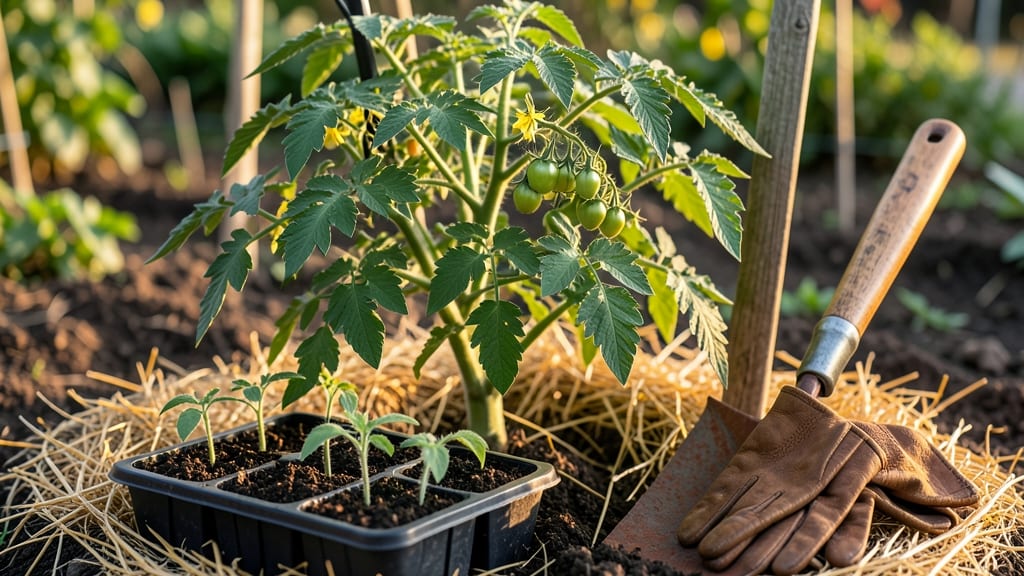
Planting your 🍅 tomato plants in Pennsylvania at the right time makes all the difference between a bountiful harvest and a disappointing one. Whether you're starting seeds indoors or transplanting seedlings, knowing the exact weeks before last frost is the key to success in zones 5b-7a.
Too early, and frost will damage tender plants; too late, and you'll miss peak harvest season entirely.
For Pennsylvania gardeners, the ideal window runs from April 15 through June 1, after the last frost date—but timing varies by region. This means you might be ready to plant in early April in southern PA while waiting until late May in the northern areas.
The secret lies in soil temperatures reaching 60°F and nighttime temps consistently above 50°F.
If you're starting seeds indoors, begin 8-10 weeks before your last frost date to give seedlings a head start. For those buying transplants, wait until 2-4 weeks before planting outdoors.
Either way, I'll show you how to adjust your schedule based on your specific corner of Pennsylvania to maximize your yield.
Let's dive into the exact planting timeline, regional variations, and pro tips to help you grow the best tomatoes your garden has ever seen—without the guesswork.
Pennsylvania’s last frost dates by region: exact weeks to plant tomatoes for optimal growth
Pennsylvania’s last frost dates vary dramatically across its 7 USDA hardiness zones, from Zone 5b in the north to Zone 7a in the south. These differences mean your tomato planting window could shift by 3-4 weeks depending on where you live.
For example, gardeners in Philadelphia (Zone 7a) can plant tomatoes 2-3 weeks earlier than those in Erie (Zone 5b), where late frosts linger into mid-May.
To avoid frost damage—which blackens leaves and stunts growth—aim to transplant tomato seedlings 1-2 weeks after your region’s average last frost date.
In most of PA, this means late April to early June, but rural areas in the Poconos or Allegheny Mountains may need to wait until mid-June for safety. Always check your local microclimate; valleys and low-lying areas frost later than hilltops.
For seed-starting indoors, begin 8-10 weeks before your last frost date. This translates to early March in southern PA and late March to early April in northern regions.
Seedlings need 6-8 hours of light daily and warm soil (70-80°F) to thrive, so use grow lights or a sunny windowsill if natural light is limited.
Here’s how PA’s regions break down for tomato planting:
Use these dates as a starting point, but always verify with your local Cooperative Extension office or a weather station app. For instance, a late-May frost in Zone 6b (like Lancaster) can delay planting by 2 weeks.
To hedge your bets, keep row covers or a mini greenhouse on hand for early transplants.
Another critical factor is soil temperature. Tomatoes won’t thrive until the soil warms to 60°F—use a soil thermometer to confirm. In cooler zones like Erie, soil may not reach this threshold until late May or early June, even if air temperatures feel warm.
If your soil is too cold, roots struggle to absorb water, leading to blossom-end rot or stunted growth.
For container gardening, adjust your timeline slightly later. Pots heat up faster but also cool down quicker, so wait until mid-May in most of PA before planting. Choose determinate varieties like 'Roma' or 'Patio' for containers—they mature faster and handle cooler temps better than indeterminate types like 'Sungold'.
Pro tip: If you’re in a transition zone (like Lebanon County), split your planting. Start half your seedlings indoors in early April and the other half in late May. This staggered approach ensures a
Seed starting vs. transplanting tomatoes in PA: which method gives you the earliest harvest?
Deciding whether to start tomato seeds indoors or buy transplants can feel overwhelming, but both methods work in Pennsylvania—it all depends on your timeline and experience level. If you want the earliest harvest, starting seeds indoors gives you a 4-6 week head start compared to buying seedlings.
However, transplants offer convenience and slightly faster maturity if you plant at the right time.
For indoor seed starting, begin sowing 8-10 weeks before your last frost date. In southern PA (zones 6-7), that means starting seeds around February 15-March 1.
In northern PA (zones 5-6), aim for March 1-April 1. Seedlings need 10-12 hours of light daily and warm soil (70-80°F) to thrive.
If you prefer transplants, buy healthy 6-8 week old seedlings and plant them 2-4 weeks before last frost. This means waiting until late April-early May in southern PA and mid-May in northern regions.
Look for sturdy plants with dark green leaves and no flower buds yet—those will set fruit later.
Indoor Seed Starting
- Earliest harvest (4-6 weeks ahead)
- Wider variety selection
- More cost-effective for large gardens
- Requires grow lights or sunny window
- More time-intensive (watering, pruning)
- Risk of damping-off disease
Transplanting Seedlings
- Convenient and time-saving
- Lower risk of disease
- Faster to establish in garden
- Limited variety choices
- Higher upfront cost
- Later harvest timing
No matter which method you choose, hardening off seedlings is critical. If starting indoors, move plants outdoors for 1-2 weeks before transplanting, gradually increasing exposure from 1 hour to full sun. This toughens stems and prevents shock when planted in the garden.
For Pennsylvania’s shorter growing seasons, consider fast-maturing varieties like 'Early Girl' (55 days) or 'Stupice' (60 days) if you’re transplanting late. These varieties give you the best chance for a harvest before fall frosts arrive in mid-October. Always monitor soil temperatures—wait until they reach 60°F to plant outdoors.
Ready to plant? Grab your tomato seedlings or seeds, check your local last frost date, and get growing! Whether you choose the hands-on approach of seed starting or the convenience of transplants, timing is your secret weapon for a bountiful harvest in Pennsylvania’s climate. 🌱