
Plants
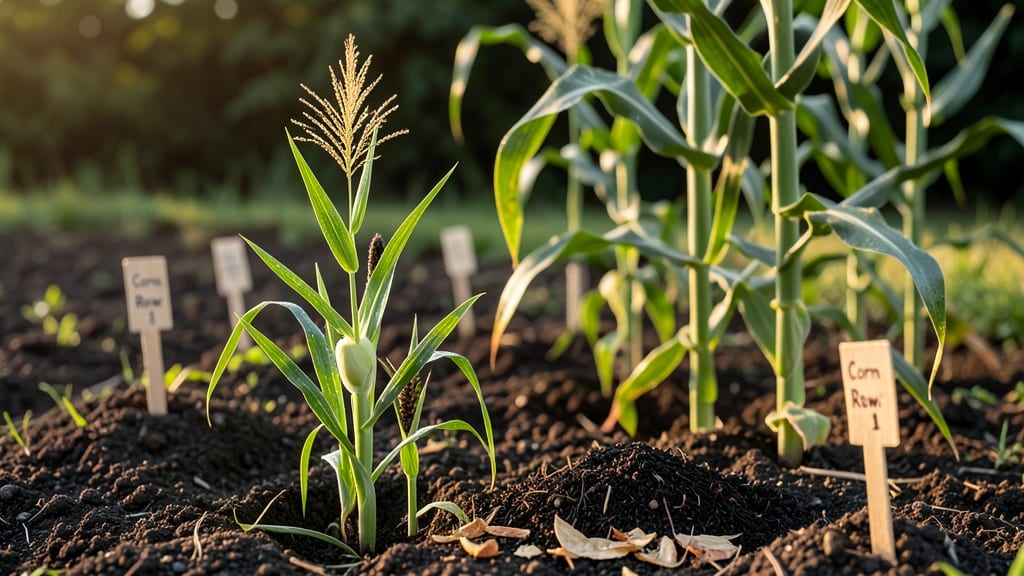
Timing your 🌽 corn planting in New Jersey can mean the difference between a bumper crop and a sad, wilted disappointment. The mid-April to late May window isn't just a suggestion—it's your golden ticket to sweet, plump ears by summer's end, when your neighbors are still dreaming of harvest.
Here's the thing: New Jersey's USDA zones 6a-7a play hardball with frost dates, and planting too early risks losing your crop to a surprise freeze. But get it right, and you'll be feasting on homegrown corn by late July—just in time for backyard barbecues that'll make your friends jealous.
I'll break down exactly when to plant different varieties (yes, there's a difference), how to adjust for your specific corner of the state, and the pro tips that'll have your corn towering over your fence.
No more guesswork—just a foolproof plan for New Jersey gardeners who want that perfect ear every time.
Ready to turn your garden into the talk of the town? Let's get those seeds in the ground at exactly the right moment—because when it comes to corn, timing really is everything.
Best planting dates for corn in New Jersey by variety type
New Jersey’s USDA zones 6a-7a create a 165-day growing season for corn, but timing varies by variety. Sweet corn, popcorn, and field corn all thrive with different schedules—plant too early and frost zaps your crop, too late and yields shrink.
Let’s break down the exact planting windows for each type to maximize your harvest.
For sweet corn, the most popular choice, aim for mid-April to late May after the last frost (typically April 15). Early varieties like ‘Early Sunglow’ mature in 60-65 days, while late-season ‘Silver Queen’ takes 90+ days.
Planting in two-week intervals ensures a staggered harvest and prevents cross-pollination issues.
Popcorn varieties like ‘Glass Gem’ or ‘Strawberry’ need 90-100 days to mature, so start seeds April 1–May 10. These types handle cooler soils better than sweet corn, giving you a 10-day leeway before the ideal window. Save seeds for next year by letting ears dry fully on the stalk before husking.
Field corn (for animal feed or grain) has the longest season—100-120 days. Plant April 15–May 15 for varieties like ‘Pioneer 39A41’ to avoid frost damage. Field corn tolerates cooler soils better than sweet corn, but still wait until soil temps hit 55°F for germination.
🌱 Pro Tip: Use a soil thermometer—corn seeds need 60°F+ soil to sprout. Cold soils delay germination, wasting your planting window.
Visual Guide: Here’s a quick reference for planting dates, maturity times, and ideal harvest windows by variety:
For second crops, try succession planting in early June with fast-maturing varieties like ‘Ambrosia’ (65 days). This works best in southern NJ where summers are longer. In northern NJ, stick to one planting for reliability.
🌽 Key Takeaway: Soil temperature matters more than calendar dates. Test it before planting—corn won’t germinate well below 60°F, even if frost risk is low.
Next, we
How to adjust planting dates for New Jersey’s microclimates
New Jersey’s diverse microclimates mean your neighbor’s perfect planting window might not work for you. Coastal areas like Cape May (Zone 7b) can plant 2-3 weeks earlier than inland spots like Sussex County (Zone 6a), where late frosts linger.
Even a 100-foot elevation change can shift your frost date by a week—so check your local USDA zone and historical frost records.
Soil temperature matters more than air temperature. Corn needs consistent 60°F+ soil to germinate—cooler coastal soils may need a 7-10 day delay compared to warmer inland areas. Use a soil thermometer (just $10) to confirm readiness before planting.
I’ve seen early April plantings in Hunterdon County fail while late May plantings in Atlantic City thrive—location is everything.
- Coastal areas: Warmer but humidity increases fungal risks (like corn smut). Plant earlier but use disease-resistant varieties like 'Silver Queen'.
- Inland valleys: Colder nights but drier air reduces pests. Wait for soil warmth (60°F+) even if frost dates pass.
- Mountain slopes: 1-2 weeks later than valleys—frost clings longer.
For a second crop, aim for late June to early July plantings in Zone 7a (like Monmouth County). Use short-season varieties like 'Early Sunglow' (65 days) to harvest before frost.
I’ve successfully grown two crops in Burlington County by planting the second batch in early July—just cover seedlings with row fabric if a 50°F night sneaks in.
Urban gardeners in Jersey City or Newark face heat islands—soil warms 5-7 days earlier than rural areas. Test soil in morning shade (not pavement-heated spots) for accurate readings.
If your garden sits in a sunken area, it’ll stay cooler—adjust your planting date 1 week later than your zone’s average.
Pro tip: Use black plastic mulch to warm soil 2-3°F faster in cooler microclimates. I’ve seen it shave 5 days off the time needed to reach 60°F soil in Morris County.
Just lay it down 1 week before planting and cut X’s for seed placement. Pair this with drip irrigation to keep roots moist during germination.
Remember: No single date fits all of NJ. Cross-reference your local CoCoRaHS station (free data!) with your USDA zone, then add 3-5 days buffer for safety. When in doubt, plant late—corn’s fast growth (60+ days to harvest) makes up for delayed starts better than early frosts can.