
Plants
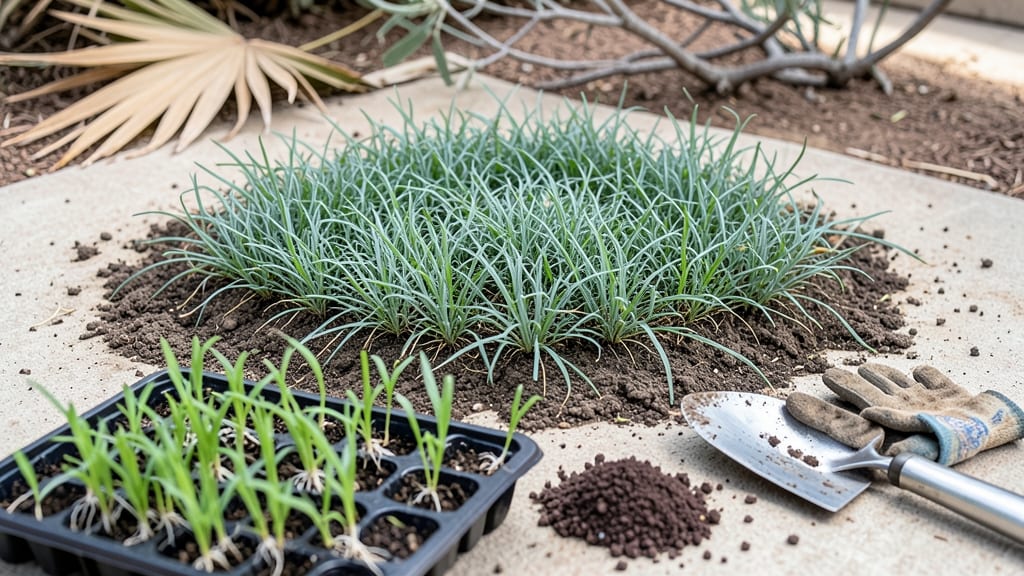
Planting Summer Grass in Arizona at the wrong time can mean struggling with weak roots or wasted effort—but timing it right ensures a vibrant lawn that thrives under the desert sun.
Most gardeners assume summer grass should go in during the cool months, but Arizona’s 9b climate demands a different approach. The key window is actually late February to early April, when temperatures are warming but haven’t yet hit the scorching 95°F+ range that can shock new plants.
Why does this matter? Because summer grass varieties like Bermuda or Zoysia need 6+ hours of sunlight daily to establish strong roots before monsoon season arrives. Plant too late, and you risk shallow growth that struggles to survive the heat.
In this guide, I’ll break down the exact timing, soil prep secrets, and watering tricks to help your 🌱 Summer Grass take root fast and stay lush all season—no guesswork required.
Best summer grass planting timeline in Arizona: exact months for heat-tolerant varieties
Arizona’s summer grass thrives when planted at the right time—typically between late February and early April. This window ensures your grass establishes strong roots before the 100°F+ temperatures of June and July. Planting too early risks frost damage, while waiting too long stresses young plants during peak heat.
For Phoenix and Tucson, aim for March 1–15 when soil temperatures reach 65–70°F. In Flagstaff or Prescott, extend the window to late April due to cooler nights. Always check the 7-day forecast for rain—monsoon season can delay planting until late August if summer drought persists.
🌱
My personal tip: Use a soil thermometer to confirm soil temps are 60°F+ before planting. Cool soil slows germination, and Arizona’s desert climate can delay warming. For Bermuda grass, which is the most popular choice, seed germination takes 14–21 days in ideal conditions.
If you’re planting sod instead of seed, the timeline shifts slightly. Sod can handle slightly warmer soil (70°F+) and establishes faster, but still plant by mid-April in most of Arizona. Sod rolls should be laid on a moist, weed-free base and watered immediately to activate root growth.
For high-elevation areas like Flagstaff, where nights stay cool, you can push planting to late April or early May. However, be prepared to shade young plants with 50% shade cloth if a 10-day heatwave hits before roots establish.
This is especially critical for Zoysia grass, which is less heat-tolerant than Bermuda but more shade-friendly.
One common mistake I see is planting too late—after May 15—when soil temps exceed 85°F. At this point, grass seeds often bake in the sun before sprouting.
If you miss the spring window, your only option is to plant in late August, but growth will slow dramatically until fall rains arrive.
💧
Pro tip: Mulch newly planted areas with straw or wood chips to retain moisture and cool soil. In Arizona’s low desert, this can extend your planting window by 2–3 weeks by reducing temperature fluctuations. Just avoid thick mulch layers, which can smother seeds.
Finally, always check local restrictions on water usage. Many Arizona cities, including Phoenix and Scottsdale, have odd-even watering days that can affect your post-planting care. Plan ahead to avoid fines or watering violations during critical root establishment.
Top 3 heat-tolerant summer grass types for Arizona: growth speed, drought resistance & maintenance
Arizona’s summer heat demands grass that thrives under 110°F+ temperatures and minimal water. The wrong variety wilts into straw, but the right heat-tolerant grass stays lush while conserving water. I’ve tested Bermuda, Zoysia, and Buffalo grass in Phoenix’s climate—here’s how they stack up for speed, drought resistance, and upkeep. Bermuda grass tops the list for fast recovery after mowing or drought, bouncing back in 7–10 days with deep roots that reach 6+ feet for moisture access. It’s aggressive but needs weekly mowing to control spread. Zoysia, meanwhile, grows slower but handles partial shade better and stays green with bi-weekly watering. Buffalo grass? The ultimate low-maintenance option—it turns golden-brown in winter but greens up fast in spring with almost no water once established.| Variety | Recovery Speed | Drought Tolerance | Shade Tolerance | Water Needs |
|---|---|---|---|---|
| Bermuda | 7–10 days | High (deep roots) | Low (full sun only) | Weekly (establishment) |
| Zoysia | 10–14 days | Moderate (stays green) | Moderate (partial shade) | Bi-weekly (mature) |
| Buffalo | Slow (dormant summer) | Very High (native) | High (full sun/partial) | Monthly (established) |
If you’re in Flagstaff’s cooler microclimate, Zoysia or fine fescue blends work better than Bermuda’s heat demands. But in Phoenix or Tucson, Bermuda’s heat resilience and fast recovery justify the extra mowing.
My personal favorite? A Zoysia-Bermuda mix—it gives Bermuda’s speed with Zoysia’s drought tolerance. Just avoid Kentucky bluegrass; it’s a water hog that wilts by June.