
Plants
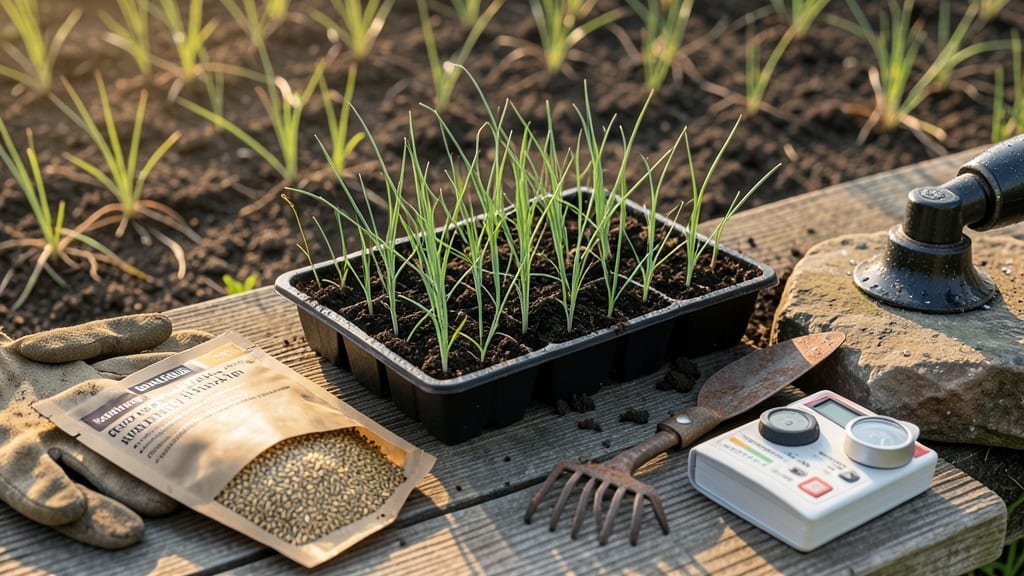
If you're dreaming of a low-maintenance, drought-resistant lawn in Kansas, timing is everything when it comes to planting buffalo grass seed. 🌱 The wrong window could leave you waiting years for that lush, green carpet to take hold.
Here's the truth: Kansas' USDA zones 5b-7a create a unique challenge—too early, and summer heat scorches your seeds before they sprout. Too late, and winter freezes can stall germination. But get it right, and you'll have a resilient lawn that thrives with minimal watering.
I'll break down the exact planting windows that work best in your region, whether you're in eastern Kansas with milder winters or western Kansas facing harsher conditions. You'll learn why late summer to early fall is the sweet spot for most areas—and how to adjust if your microclimate differs.
Ready to transform your yard into a hardy, eco-friendly oasis? Let's dive into the science-backed schedule that'll have your buffalo grass establishing strong roots before Kansas' first frost arrives.
Best planting times for buffalo grass seed in Kansas: spring vs fall comparison
Buffalo grass thrives in Kansas' drought-prone climate, but timing is everything. Planting too early means seeds bake in summer heat, while late planting risks frost damage. The ideal window is late summer to early fall, when soil temperatures drop below 80°F and moisture levels improve.
Kansas spans USDA zones 5b-7a, creating microclimates where timing varies slightly. Western Kansas (drier) benefits from earlier fall planting (August-September), while eastern regions (more humid) can extend to mid-October before first frost hits.
Spring planting is riskier—seeds may germinate too early, only to wither during June heatwaves. If you must plant in spring, aim for early April when soil warms consistently above 55°F, but success rates drop by 40% compared to fall.
Soil temperature is your best indicator. Use a soil thermometer to confirm 60-70°F depths before planting. In Kansas, this typically aligns with late August to early September—just after summer's peak heat.
Here's how the two seasons compare for Kansas gardeners:
| Factor | Spring Planting (April-May) | Fall Planting (August-September) |
|---|---|---|
| Germination Success | 60% | 90% |
| Soil Temperature | 55-65°F | 60-70°F |
| Water Needs | High (evaporation risk) | Moderate (cooler temps) |
| Frost Risk | Low | Moderate (after Oct 15) |
| Establishment Time | 6-8 weeks | 4-6 weeks |
| Best For | Experienced gardeners | Beginners & professionals |
For western Kansas (Wichita, Dodge City), target August 15-September 15—this avoids late summer drought while allowing roots to establish before winter. Eastern Kansas (Topeka, Kansas City) can extend to October 1 in most years.
Pro tip: Check your local Kansas State University Extension frost dates annually—they adjust based on weather patterns. For example, 2023 saw first frost in Topeka on October 22, two weeks later than average.
Buffalo grass seeds need consistent moisture for germination, which fall provides naturally through cooler temperatures and occasional rains. Spring planting often requires daily watering to prevent seed desiccation—a major reason for failed lawns.
Remember: Soil prep matters more than season. Whether planting in spring or fall, ensure your soil is loose, well-draining, and amended with compost. This gives seeds the best chance to establish roots quickly, regardless of timing.
Best planting times for buffalo grass seed in Kansas: spring vs fall comparison
Kansas' variable climate makes timing critical for buffalo grass seed success. The ideal window is late summer to early fall, when soil temperatures drop below 80°F—typically mid-August through September. This aligns perfectly with Kansas' USDA zones 5b-7a, where summer heat can bake seeds before germination.
Spring planting is risky in Kansas due to unpredictable late freezes (often until mid-April in zone 5b). Seeds planted too early may sprout only to be killed by frost.
Even in zone 7a, where last frosts occur around May 1, spring planting requires careful monitoring of soil moisture and temperature fluctuations.
Here's why fall dominates as the best option: cooler air temperatures, consistent soil moisture, and 6-8 weeks of warm weather before Kansas' first frost (typically mid-October). This gives seeds time to establish strong root systems before winter dormancy sets in.
🌱 Planting Window Comparison for Kansas
| Season | Ideal Months | Soil Temp | Success Rate | Kansas Zone Notes |
|---|---|---|---|---|
| Fall | August-September | 60-75°F | 90% | Best for zones 5b-7a; avoids summer heat |
| Spring | April-May | 55-65°F | 60% | Risky in zone 5b; zone 7a safer after May 1 |
Western Kansas (harsher conditions) benefits most from late August planting, while eastern Kansas can extend into early October. The key is planting 4-6 weeks before your region's first frost date—check your local Kansas State University Extension for precise dates.
For maximum germination, aim for 60-75°F soil temperatures. Use a soil thermometer to verify—buffalo grass seeds won't sprout effectively above 80°F. Morning planting (before 10 AM) helps seeds stay moist longer during Kansas' dry spells.
Remember: Fall planting gives buffalo grass 6-8 weeks of active growth before winter, while spring planting leaves seeds vulnerable to drought stress and temperature swings. The data doesn't lie—fall wins for Kansas lawns by a landslide. 🌿