
Plants
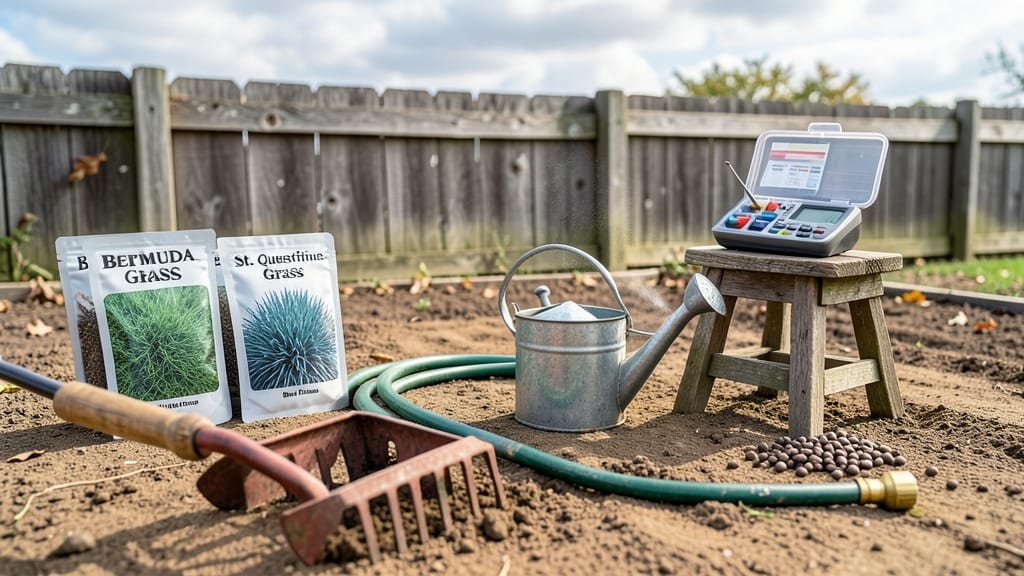
If you've ever stared at a patchy Texas lawn and wondered "when do you plant grass seed in Texas", timing is the game-changer you need. The Lone Star State's scorching summers and unpredictable freezes mean planting too early or late can turn your investment into a sad, brown memory.
Most Texas gardeners know the best months are early fall and spring, but the real secret lies in understanding your specific region. North Texas' cooler climate differs dramatically from South Texas' humidity, and Central Texas sits right in the middle with its own quirks.
I'll break down exactly when to plant for each zone so you can skip the guesswork.
You'll also discover how soil temperature and rainfall patterns create the perfect conditions for fast germination. Too hot, and your seeds will bake before sprouting; too cold, and they'll just sit there waiting. Let's get your lawn off to the right start with science-backed timing and Texas-specific tips.
With the right approach, you can transform that bare spot into a vibrant, healthy lawn that stands up to Texas' challenges. Ready to learn the exact windows that work for your corner of the state?
Best months to plant grass seed in Texas by climate Zone (north vs. central vs. south)
Texas’ climate varies dramatically from the Panhandle’s cooler zones to the Rio Grande Valley’s subtropical heat. These differences mean your best planting window depends on where you live.
For North Texas, cool-season grasses like Tall Fescue thrive when soil temps hover between 60°F and 75°F, typically in late August to October or March to early May.
In contrast, Central Texas gardeners should aim for September to October or February to March, while South Texas benefits from August to September or January to February plantings.
Why these windows? Summer’s 100°F+ soil temps can bake seeds before they sprout, while winter freezes in North Texas can kill young seedlings. Humidity also plays a role—South Texas’s high humidity speeds up germination, so seeds need to stay moist but not waterlogged.
Let’s break it down by region to ensure your grass seed gets the best start.
| Region | Best Planting Months | Soil Temp Range (°F) | Key Considerations |
|---|---|---|---|
| North Texas (Dallas, Fort Worth, Panhandle) | Late August–October March–Early May |
60–75°F | Avoid summer heat; watch for early freezes in fall. |
| Central Texas (Austin, San Antonio, Waco) | September–October February–March |
65–78°F | High humidity speeds germination; irrigate carefully. |
| South Texas (Houston, Corpus Christi, Brownsville) | August–September January–February |
70–80°F | Subtropical heat; prioritize shade and frequent watering. |
If you’re in North Texas, early fall is your golden window. The 80°F soil temps in late August drop to 70°F by October, creating ideal conditions for Tall Fescue or Fine Fescue. Spring plantings work too, but be ready to protect seedlings from unpredictable late frosts.
For Central Texas, September’s 75°F soil is perfect for Bermuda grass or Zoysia, while February avoids the worst of winter’s chill.
South Texas gardeners have a slightly later window due to warmer winters. Planting in August lets seeds germinate before the September heatwave, while January avoids the driest months.
Pro tip: Use a soil thermometer to confirm temps are in the 65–80°F range before seeding—this is non-negotiable for germination success.
One more critical factor: rainfall patterns. North Texas often needs supplemental watering in fall, while South Texas may rely on natural rains in August/September. Always check your local USDA Plant Hardiness Zone (Zones 7b–9a in Texas) to fine-tune timing.
For example, Zone 8a (Austin) has a longer fall window than Zone 7b (Dallas).
For warm-season grasses like Bermuda or St. Augustine, plant in late spring (May) when soil temps exceed 75°F. These grasses go dormant in winter, so don’t seed in fall. Cool-season grasses (Fescue, Ryegrass) need fall or spring plantings to thrive through Texas’ harsh summers.
Timing isn’t just about months—it’s about soil conditions. Loose, moist soil with 60–75% humidity is ideal. Test your soil’s pH (6.0–7.5) and organic matter (2–4%) before seeding. If your soil is alkaline (common in Texas), amend it with sulfur or peat moss to create the perfect seedbed.
Remember: Early fall is the safest bet for most of Texas. It balances cool temps, moderate humidity, and adequate rainfall—giving your grass seed the best shot at establishing roots before summer’s return. Start planning now, and your lush lawn will thank you next year.
How to prepare your Texas lawn for grass seed success (soil, watering, and pre-seeding tips)
Before you even sprinkle that first seed, your Texas lawn needs a solid foundation. Soil preparation is where most gardeners trip up—especially in Texas, where alkaline soils and hardpan clay can strangle new grass before it starts.
I’ve learned the hard way that rushing this step leads to patchy growth and wasted seed. Let’s fix that by creating the perfect seedbed for fast germination and strong root development.
Start with a soil test to check your lawn’s pH and nutrient levels. Texas soils often test alkaline (pH 7.5–8.5), which can lock out essential nutrients like iron and phosphorus. Aim for a pH of 6.0–7.0 for most grass types, and adjust with sulfur or lime as needed.
Don’t skip this—your grass seed will thank you with vibrant, healthy growth from day one.
Next, tackle weed control before seeding. Weeds compete for water, nutrients, and sunlight, giving your grass no chance. Use a pre-emergent herbicide designed for new lawns, or pull weeds manually if you prefer organic methods.
For stubborn weeds like clover or dandelions, apply a spot treatment with glyphosate 2–3 weeks before planting to avoid harming your new grass.