
Planting
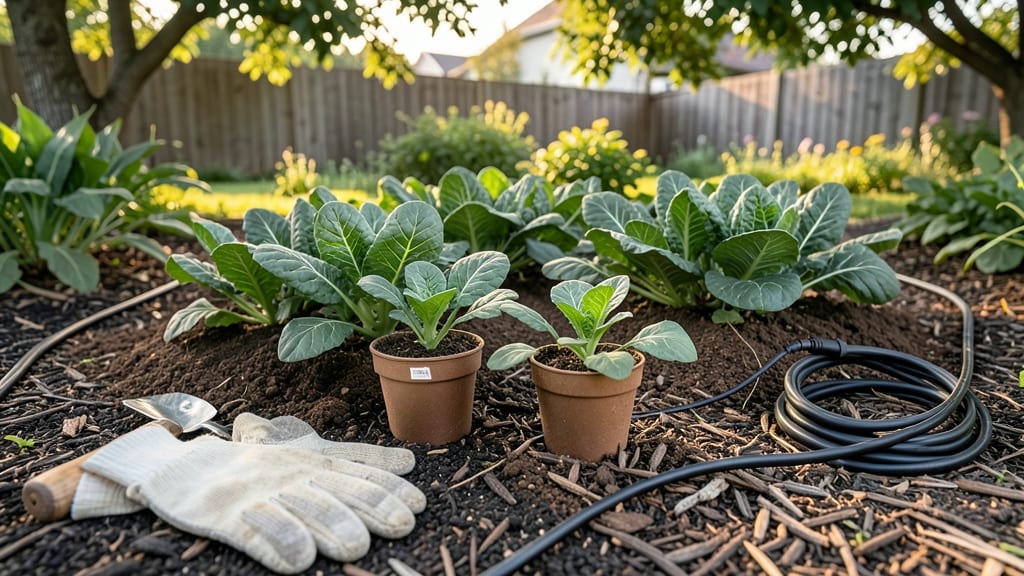
Timing when to plant a fall garden in South Texas can feel like solving a puzzle—one wrong move, and your seedlings either bolt in the heat or get wiped out by frost.
But here’s the secret: the mid-August to early October window isn’t just a suggestion—it’s your golden ticket to a thriving harvest.
Why does this matter? Because South Texas’s 9a-10a climate means no traditional frost dates, but heat still dictates when to plant. Cool-season crops like kale and carrots need soil temps below 90°F, while heat-lovers like okra and peppers thrive when days stay warm.
Get it wrong, and you’re either watering stressed plants or watching them fade before harvest.
I’ve tested the exact timing that works here—from Houston’s humidity to the Rio Grande Valley’s dry heat—and the results speak for themselves.
You’ll learn which crops to start 6-8 weeks before your first frost (yes, it does happen, even in Zone 10a), how to stretch your harvest into December, and the 3 biggest mistakes that ruin fall gardens every year.
Ready to turn your fall garden into a high-yield, low-stress success? Let’s dive into the week-by-week strategy that actually fits South Texas’s quirks—no guesswork, just results.
South Texas fall planting calendar: exact week-by-week timing for heat-tolerant crops
South Texas gardeners have a unique advantage with fall planting—the long growing season and mild winters create a perfect window for heat-tolerant crops. Unlike northern climates, first frost rarely arrives until mid-December, giving you 8-10 weeks of harvest potential.
The key is timing: plant warm-season crops early and cool-season crops later to avoid bolting or frost damage.
Your planting timeline hinges on soil temperature, not air temperature.
For cool-season crops like lettuce and broccoli, wait until soil temps drop below 90°F—typically mid-August to early September in most of South Texas. Warm-season crops like tomatoes and peppers can start as early as late July in the Rio Grande Valley but wait until August in San Antonio or Houston.
Here’s your week-by-week breakdown for optimal planting in South Texas’ three key regions: Houston/San Antonio, Rio Grande Valley, and West Texas. Adjust by 1-2 weeks based on your microclimate and last frost date (which varies wildly—some years, frost never comes!).
Pro tip: Use a soil thermometer to avoid guesswork—cool-season crops like broccoli need ideal soil temps of 60-70°F, while warm-season crops like tomatoes thrive at 70-85°F. If your soil is still above 90°F in September, opt for shade-tolerant varieties like Malagueta peppers or Swiss chard.
Don’t overlook succession planting—this is your secret weapon in South Texas. For example, sow lettuce every 2 weeks from mid-August to early October to ensure a continuous harvest until frost. Similarly, radishes mature in just 25 days, making them perfect for quick rotations.
In Houston and San Antonio, where humidity lingers, prioritize airflow and disease-resistant varieties. Fungal diseases like powdery mildew thrive in the 90%+ humidity common in fall. Space plants 12-18 inches apart
Common mistakes South Texas gardeners make with fall planting (and how to avoid them)
South Texas’s fall planting season is a gardener’s golden opportunity—but even experienced growers stumble with timing mistakes. One common error is planting cool-season crops like cabbage or broccoli in August or early September.
The soil stays too hot, causing seedlings to bolt or wilt. Instead, wait until late August to early October when soil temps drop below 90°F.
Another frequent misstep? Ignoring soil heat retention in clay-heavy Texas soils. Without proper prep, heat lingers longer, stressing young plants. Amend your soil with compost or aged manure 4-6 weeks before planting to improve drainage and moisture retention.
This simple step can mean the difference between thriving greens and leggy, stunted seedlings.
🚨 Visual Element: Callout-Warning 🚨
South Texas’s humid fall air traps moisture, leading to fungal diseases like damping off. Many gardeners overcompensate by watering too much, thinking plants need extra hydration. Instead, water deeply but less frequently—aim for 1-1.5 inches per week—and always in the early morning to prevent fungal spores from spreading.
Gardeners also often skip shade cloth for heat-sensitive crops like lettuce or spinach. Even in fall, September temps can still hit 100°F in some areas. Use 30-50% shade cloth to protect seedlings during peak heat while still allowing light for growth.
This is especially critical in Rio Grande Valley, where heat lingers longer than in San Antonio or Houston.
One overlooked issue is poor frost preparation. While South Texas rarely sees frost, mid-December cold snaps can damage tender crops. Many gardeners assume their plants are safe until it’s too late.
Use row covers or cold frames for late-season crops like kale or collards, which can handle light frosts but not prolonged cold. Start monitoring local frost forecasts in early November to plan protections.
Finally, succession planting gets neglected in fall gardens. Planting all your carrots or radishes at once means a glut of harvests followed by nothing. Instead, sow small batches every 2-3 weeks from August through October. This ensures a steady supply and maximizes your garden’s productivity without waste.
By avoiding these common mistakes—proper timing, soil prep, shade protection, frost readiness, and succession planting—your South Texas fall garden will thrive even in the region’s tricky climate. Start with these fixes, and you’ll enjoy a bountiful harvest well into winter.