
Planting
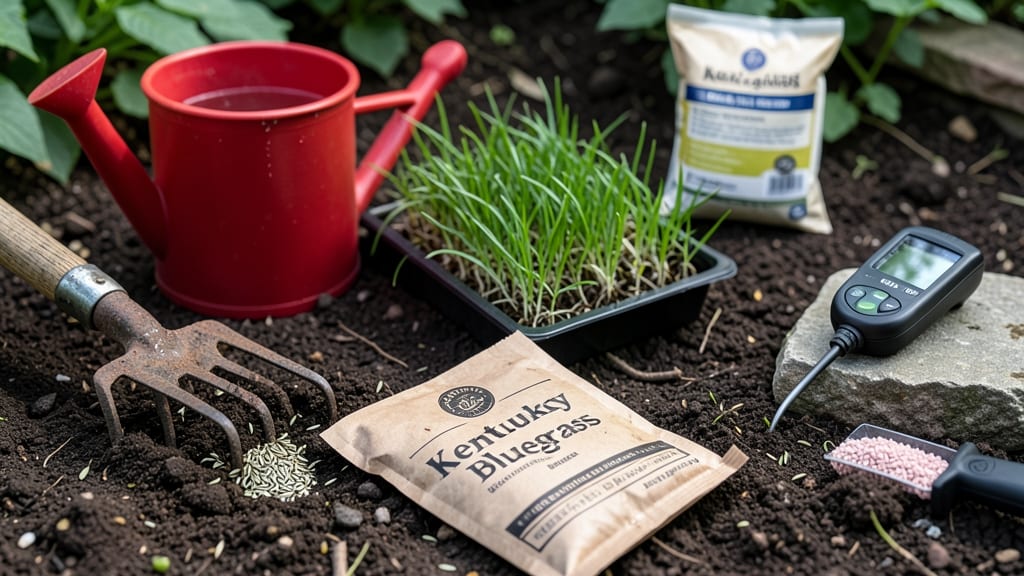
Planting grass seed in Ohio at the wrong time can leave you staring at bare soil for months—or worse, a patchy lawn that never quite fills in. The key isn’t just checking the calendar but understanding soil temperatures, which vary dramatically between northern and southern regions of the state.
If you’ve ever wondered why your neighbor’s lawn looks perfect while yours struggles, it’s likely because they timed their planting when the soil hit that 50-65°F sweet spot—the magic window for cool-season grasses like Kentucky Bluegrass and Tall Fescue.
In Ohio’s 6a zone, that means early spring or early fall, but getting it wrong can mean wasted seed and frustration.
I’ll show you exactly when to plant for fast germination—whether you’re in Columbus, Toledo, or Cleveland—plus how to spot the perfect moment before you even dig in. No more guessing games, just a lush lawn that starts strong.
Ready to skip the trial-and-error? Let’s break down the science behind Ohio’s planting windows and how to prep your soil for success—without waiting another season.
Ohio grass seed planting timeline by soil temperature (not just months)
Ohio gardeners often focus on planting grass seed in March or April, but the real secret to success lies in soil temperature, not just calendar dates. Cool-season grasses—like tall fescue and Kentucky bluegrass, which thrive in Ohio—need soil temps between 50°F and 65°F to germinate properly.
Planting too early or late can leave your lawn patchy or stunted.
Warm-season grasses, like Bermuda grass, prefer 70°F+ soil temps and are less common in Ohio’s climate, but they still require careful timing. The key is matching your seed type to Ohio’s USDA Zone 6a conditions, where frost dates shift between mid-April (last frost) and mid-October (first frost).
Here’s the critical rule: Plant when soil temps are steady at 50°F+ for cool-season grasses, or 70°F+ for warm-season types. In Ohio, this typically means late April to early June for spring planting, or early September for fall—both windows avoid extreme heat or cold that stress young seedlings.
Why does this matter? Grass seed needs consistent moisture and warmth to sprout. If you plant too early, seeds may rot in cold soil. Too late, and weeds outcompete your grass for resources.
Ohio’s variable spring weather makes timing even trickier—soil can warm quickly after a cold snap, catching gardeners off guard.
For example, in Northern Ohio (like Cleveland or Toledo), soil may not reach 50°F until late April or early May. In Southern Ohio (like Cincinnati or Columbus), you might start as early as mid-April. Always check with a soil thermometer—it’s your best tool for precision.
Pro tip: Use a grass seed germination calculator or local Cooperative Extension Service data for real-time updates. These resources account for Ohio’s microclimates, giving you the edge over guesswork.
| Grass Type | Ideal Soil Temp (°F) | Ohio Planting Window | Key Risk |
|---|---|---|---|
| Cool-Season (Tall Fescue, Kentucky Bluegrass) | 50–65°F | Late April–Early June Early September |
Rot if too cold; weed competition if too late |
| Warm-Season (Bermuda Grass) | 70°F+ | Mid-May–June | Stress in heatwaves; slow germination |
| Ryegrass (Fast-Germinating Mix) | 40–60°F | March–April Late August–September |
Short-lived; needs overseeding |
Fall planting in September is often overlooked but ideal for Ohio’s climate. Cooler temps reduce water stress, and seedlings establish roots before winter. Aim to plant 4–6 weeks before the first frost—typically by early October in most of the state.
Remember: Soil temp > calendar date. Even if it’s May, if the ground is still chilly, wait. Use a soil thermometer ($10 at garden centers) to avoid costly mistakes. For example, a 55°F soil in May is perfect for cool-season grass, while 75°F+ signals it’s time for warm-season types.
Ohio’s variable weather means flexibility is key. If a late spring frost threatens, delay planting until soil warms consistently. The goal? Germination within 7–21 days—not months of frustration. With the right timing, your lawn will be the envy of the neighborhood by summer.
🌱
Best months to plant grass seed in Ohio: northern vs. southern regions
Ohio’s diverse climate means planting grass seed in Columbus differs from Toledo or Cleveland. Southern Ohio’s milder winters let you start earlier, while northern areas play by stricter frost rules. Let’s break down the ideal windows for each region to avoid wasting seed or waiting too long for sprouts.
For Northern Ohio (think Cleveland, Akron), aim for April to early May. This aligns with soil warming to 50-65°F—the sweet spot for cool-season grasses like Kentucky Bluegrass. A late fall window (mid-September) also works if you want roots to establish before winter.
Southern Ohio, with its warmer microclimates, can start as early as March and stretch into late May.
Here’s why timing matters: Planting too early risks frost damage or slow germination, while waiting too late means weed competition steals your lawn’s spotlight. The key is matching your region’s last frost date (mid-April in most of Ohio) with soil readiness.
Pro Tip: Use a soil thermometer—not just the calendar. Soil temps below 50°F delay germination, and above 75°F can stress seedlings. In Ohio, this usually translates to April-May for spring and September for fall, but exceptions exist.
Regional differences also affect watering needs. Southern Ohio’s drier summers mean you’ll need to water more frequently post-planting, while northern areas may rely on consistent spring rains. Always water deeply in the morning to prevent fungal issues.
If you’re in transition zones (like Dayton), blend both approaches: Start seeds indoors in late March and transplant after the last frost. This buys you 2-3 extra weeks of growing time before summer heat sets in.
Miss the window? Don’t panic. Fall planting (late August to early September) is your backup—just be sure to fertilize lightly before the first frost to harden roots. The goal is 6-8 weeks of growth before winter dormancy.