
Plants
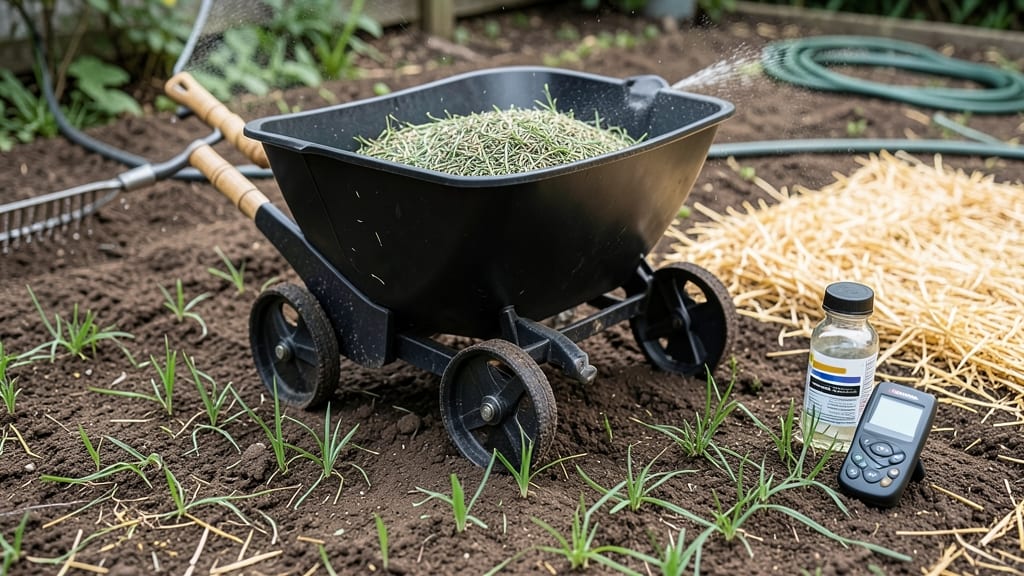
Planting grass seed in Colorado isn’t just about grabbing a bag and scattering—it’s about timing it perfectly to beat the state’s unpredictable swings from frost to drought.
Whether you’re in Denver’s 4-7 USDA zone or the high country, getting the window right means the difference between a vibrant lawn and wasted seed.
Most gardeners assume spring is the only time to plant, but Colorado’s elevation zones create two prime windows: early spring (when soil warms to 50-55°F) and fall (before the first frost). Miss these, and you’ll face slow germination or seed drying out in the thin mountain air.
I’ll break down exactly when to plant by region—from the Front Range’s March-April start to the Western Slope’s later schedule—plus soil prep tricks to ensure your 🌱 turfgrass takes root fast. No more guessing games.
Ready to transform your yard? Let’s dive into the best months for your elevation, plus pro tips to keep your grass thriving all season long.
Colorado grass planting calendar by elevation zone (with exact months)
Colorado’s three distinct elevation zones—Front Range, Foothills, and Mountains—create wildly different planting windows for grass seed. At 5,280 feet in Denver, your ideal window differs from 7,000 feet in Colorado Springs or 9,000+ feet near Aspen.
Understanding these zones ensures your grass establishes before summer heat or winter frost strikes.
Most Colorado gardeners focus on cool-season grasses like Kentucky Bluegrass and Fescue, which thrive in USDA Zones 4-7. These grasses need consistent soil temperatures above 50°F to germinate, but high-elevation areas may wait until June.
Meanwhile, warm-season grasses like Buffalo Grass prefer soil temps above 65°F and are best planted in late spring to early summer.
Here’s your elevation-specific planting guide, including frost dates and soil temperature thresholds to avoid common mistakes like late-season weeds or winterkill.
| Elevation Zone | Best Planting Months | Soil Temp Threshold (°F) | Last Frost Date | Grass Variety Recommendations |
|---|---|---|---|---|
| Front Range (5,000–6,500 ft) | March–April, September | 50–55°F | April 15–May 1 | Kentucky Bluegrass, Tall Fescue |
| Foothills (6,500–8,000 ft) | April–May, August–September | 55–60°F | May 1–May 15 | Fine Fescue, Hard Fescue |
| Mountains (8,000+ ft) | May–June, July–August | 60–65°F | June 1–June 15 | Blue Grama, Wheatgrass |
For Front Range gardeners (Denver, Boulder, Fort Collins), aim to plant 4–6 weeks before the last frost—typically mid-March to early April. This gives seeds time to germinate before summer drought stress.
Use a soil thermometer to confirm temps are above 50°F at 2-inch depth. If your soil is still cold, wait 2–3 weeks.
In the Foothills (Colorado Springs, Pueblo, Manitou Springs), cooler nights delay planting until April or May. Here, fine fescue blends outperform Kentucky Bluegrass due to their drought tolerance. Planting in late summer (August–September) is also viable for fall establishment, but water consistently to prevent weed competition.
High-elevation areas (8,000+ feet) like Aspen, Telluride, or Steamboat Springs have shorter growing seasons. Wait until May or June when soil temps reach 60°F+.
Native grasses like Blue Grama or Wheatgrass thrive here with minimal water, but avoid overseeding—these areas often struggle with poor germination rates due to thin air and intense sun.
Pro tip: Check the Colorado State University Extension’s frost date maps for your exact location. A 2-week delay can mean the difference between lush green grass and patchy, weak growth. For example, Grand Junction’s last frost is March 15, while Leadville’s can linger until June 1.
Fall planting is another strategy for Front Range and Foothills regions. Seed in September to take advantage of cool temps and consistent moisture before winter. This method reduces summer watering demands and often yields denser turf by spring.
Just ensure seeds germinate 4–6 weeks before the first frost—typically October 15 in Denver.
Regardless of elevation, test your soil pH (ideal: 6.0–7.0) and amend with compost or lime if needed. Acidic soil (pH < 6.0) stunts grass growth, while alkaline soil (pH > 7.5) can cause nutrient lockout. A simple $10 soil test kit from your local garden center saves time and money.
Remember: Watering is critical in Colorado’s dry climate. Keep seedbeds consistently moist (not soggy) for the first 2–3 weeks. Use a sprinkler on a gentle setting or a soaker hose to avoid displacing seeds. Once grass reaches 3 inches tall, reduce watering to 1 inch per week.
5 Critical factors that determine your grass seed planting timeline
Colorado’s microclimates can shift planting windows by weeks—even within the same county. While elevation is the biggest factor, soil temperature, rainfall patterns, and day length play equally important roles.
For example, Denver’s urban areas might be 2-3 weeks warmer than nearby rural zones due to the "heat island" effect. Ignoring these factors can mean the difference between a thick, green lawn and a patchy, weed-filled disappointment.
Your last frost date is a starting point, but soil temperature is the real decider. Grass seeds need soil that’s at least 50°F (10°C) for consistent germination. In Colorado Springs, this typically happens by mid-April, while in Grand Junction, it’s often late March.
Use a soil thermometer to avoid guesswork—planting too early when soil is still cold can leave seeds vulnerable to rot or poor root development.
Rainfall is another wild card. Dry springs (common in the Western Slope) may require supplemental watering to keep seeds moist during germination. In contrast, wet springs in the Front Range can lead to soil compaction or fungal issues if drainage isn’t addressed.
Always check your local NOAA climate outlook before planting to adjust your watering plan accordingly.
Soil Temperature
Grass seeds need soil at 50°F (10°C) for germination. Use a soil thermometer to test depths of 2-3 inches. In Colorado, this usually aligns with late March to mid-April for most regions.
Rainfall Patterns
Aim for 1 inch of water per week (including rain). Dry spells? Use a sprinkler on a timer for light, frequent watering. Avoid overhead watering at night to prevent fungal diseases.
Day Length
Grass grows faster with 14+ hours of daylight. In Colorado, this peaks in June and July, making late spring or early summer planting ideal for fast establishment.
Microclimates
Urban areas (like Denver) can be 5-10°F warmer than rural zones. Check your yard’s exposure: South-facing slopes warm up faster, while north-facing areas stay cooler longer.
Seed Variety
Cool-season grasses (like Kentucky Bluegrass) thrive when planted in early spring or fall, while warm-season grasses (like Buffalo Grass) prefer late spring.
Don’t overlook day length—it directly impacts grass growth speed. In Colorado, days are shortest in December (9 hours of sunlight) and longest in June (15+ hours). Planting in late spring or early summer gives your grass the maximum daylight it needs to establish quickly.
For example, Kentucky Bluegrass planted in June can reach full coverage 30-50% faster than seeds planted in March.
Before you plant, run through this quick readiness