
Plants
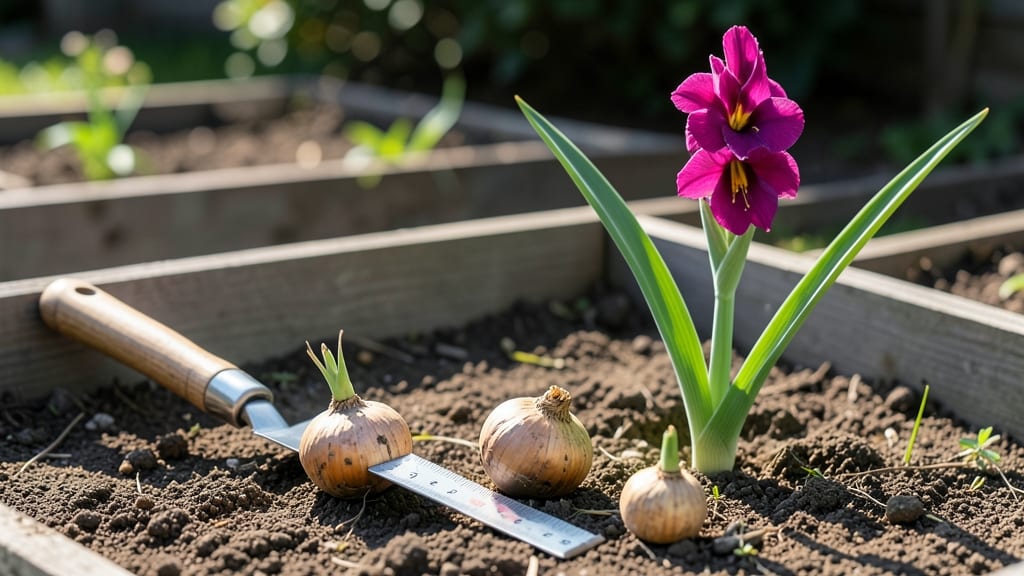
Timing your Gladiolus 🌸 planting in Colorado can make all the difference between stunning summer blooms and wasted effort. With frost dates shifting dramatically from the Front Range to the mountains, getting it right means understanding your local microclimate—whether you're in Denver or the Rockies.
Most Colorado gardeners wait until April through June to plant these tall, dramatic flowers, but elevation plays a huge role. At lower elevations, you might start as early as late March, while high-altitude growers often hold off until May to avoid late frosts that can damage tender corms.
What I’ve learned from years of gardening here is that soil temperature matters just as much as calendar dates. Waiting until the ground reaches at least 60°F ensures your Gladiolus roots establish quickly, giving you the 90-120 days they need to reach their full 4-5 foot height before summer’s end.
Ready to avoid the common mistakes that leave Colorado gardeners frustrated? I’ll walk you through the exact planting windows for your zone, plus soil prep tricks that make all the difference in these USDA 5-8 conditions.
Best gladiolus planting months in Colorado by elevation zone
Colorado’s three distinct elevation zones mean your gladiolus planting window can shift by 4-6 weeks depending on where you live. Lowland gardens near Denver may start planting in late April, while mountain gardens above 8,000 feet often wait until mid-June.
The key is understanding your last frost date—which varies dramatically across the state.
For lowland areas (3,000–5,000 ft), like the Front Range, April 15–May 1 is prime time. These zones enjoy longer growing seasons and warmer soils, giving gladiolus corms a 3–4 month head start before fall frosts arrive.
Meanwhile, foothills (5,000–7,000 ft) typically wait until May 1–15, balancing cooler nights with sufficient daylight.
| Elevation Zone | Last Frost Date | Ideal Planting Window | First Bloom Window |
|---|---|---|---|
| Lowlands (3,000–5,000 ft) | Mid-April to early May | April 15–May 15 | Late June–early August |
| Foothills (5,000–7,000 ft) | Late April–early May | May 1–June 1 | Early July–mid-September |
| Mountains (7,000+ ft) | Mid-May–early June | June 1–July 1 | Late July–early September |
In mountain regions (7,000+ ft), such as the Rocky Mountain National Park area, gladiolus thrive when planted after June 1. The shorter growing season means you’ll need earlier-maturing varieties, like 'Pyramid' or 'Green Star', to ensure blooms before first frost in early September.
These zones also benefit from cold-hardening corms by pre-chilling them for 4–6 weeks before planting.
Pro tip: Use Colorado State University’s frost date maps to pinpoint your exact planting window. For example, Fort Collins averages last frost on April 20, while Aspen waits until June 5.
Planting too early in cooler zones risks rot from cold, wet soils, while delaying in warm zones may lead to bolting before blooming.
For urban gardens in Denver or Colorado Springs, aim for late April planting to maximize summer blooms. These areas often experience heat spikes in July, so mulching with straw helps retain moisture.
In contrast, western slope towns like Grand Junction can plant as early as March 15 due to their warmer microclimates and longer frost-free periods.
Remember: Gladiolus corms need soil temperatures above 60°F to sprout. Use a soil thermometer to confirm readiness—especially in high-altitude gardens where soils warm 2–3 weeks later than lowlands. This simple check can save you from wasted corms or stunted growth.
If you’re unsure about your exact elevation or frost dates, err on the side of planting later. Gladiolus are perennial in warmer climates, but Colorado’s freezing winters mean you’ll need to dig and store corms annually.
Starting 2–3 weeks after your local last frost ensures your corms establish roots before summer heat arrives.
For container gardening, adjust your timeline by 1–2 weeks earlier since pots warm up faster. Place containers in south-facing spots and use black plastic mulch to accelerate soil warming. This trick works especially well for balcony gardens in Denver or patio planters in Colorado Springs.
Finally, mark your calendar for late September—this is when you’ll need to dig up and store corms before the first frost. In mountain zones, this may happen as early as mid-August, while lowland areas can often wait until October.
Proper storage ensures your corms survive winter and return to bloom next year.
Best gladiolus planting months in Colorado by elevation zone
Colorado’s elevation zones dramatically impact when you should plant gladiolus 🌸. At lower elevations like Denver (3,000–5,000 ft), you can start as early as late March, while mountain gardens (7,000+ ft) often wait until mid-May.
The key is timing planting so your corms have 90–120 frost-free days to mature.
I’ve seen firsthand how a two-week difference in planting can mean the difference between vibrant blooms and flopping stems. For example, planting too early in the mountains risks frost damage, while delaying in lower zones may push blooms to arrive too late for summer enjoyment.
Here’s how to match your elevation to the ideal planting window:
| Elevation Zone | Planting Window | Soil Temp | Bloom Time |
|---|---|---|---|
| Lowlands (3,000–5,000 ft) | Late March–April | 55–60°F | June–August |
| Foothills (5,000–7,000 ft) | April–May | 50–55°F | July–September |
| Mountains (7,000+ ft) | Mid-May–June | 45–50°F | August–October |
For accurate frost dates, check your local USDA Zone 5-8 records—Denver’s last frost averages April 15, while Aspen’s can linger until May 20. I always test soil temperature with a thermometer to confirm readiness, especially in cooler zones.
Pro tip: Plant successive batches every 2–3 weeks to extend your bloom season. This works especially well in lower elevations where you can stagger plantings from April through June for continuous color.
Remember, gladiolus corms need 6+ hours of sun daily, so choose a south-facing spot. In high-altitude gardens, wind protection is critical—use mulch or windbreaks to prevent stem damage.