
Plants
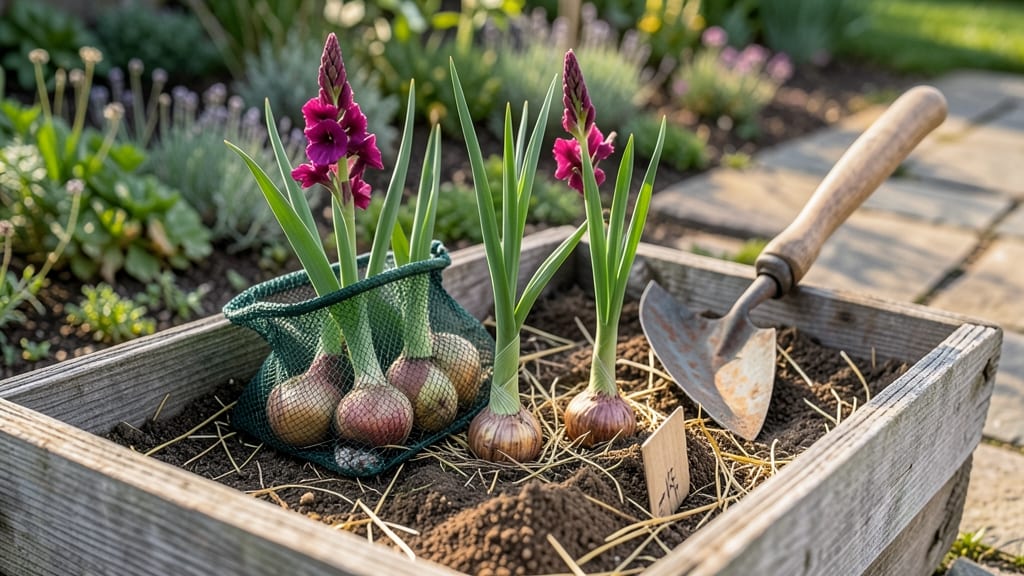
Timing your gladiolus bulb planting in Colorado wrong could mean watching your 🌸 blooms struggle—or worse, freeze before they even sprout. With elevations ranging from 5,000 to 10,000 feet, Colorado’s frost dates shift dramatically, making a one-size-fits-all approach a recipe for disappointment.
Most gardeners in USDA Zones 5-7 wait until mid-April to mid-May after the last frost, but high-altitude areas like the Front Range or Western Slope may need to push planting back another 2-3 weeks.
The key isn’t just avoiding frost—it’s giving your corms enough warmth to root before summer’s heat arrives.
In this guide, I’ll break down exactly when to plant based on your elevation, plus pro tips to extend your blooming season.
Whether you’re in Denver’s Zone 5 or Colorado Springs’ Zone 6, you’ll learn how to time it perfectly for bold, long-lasting flowers that thrive despite the state’s unpredictable weather.
Ready to turn your garden into a gladiolus paradise? Let’s dive into the frost-free window that works for your specific corner of Colorado—and how to protect your plants from hail, temperature swings, and other local challenges.
Colorado’s gladiolus planting timeline: frost dates by elevation Zone
Colorado’s gladiolus planting window shifts dramatically depending on whether you're gardening in Denver's Front Range (USDA Zone 5-6) or the high-altitude San Juans (Zone 4). Unlike coastal regions, our elevation-driven frost dates mean planting too early can fry tender corms, while waiting too long risks stunted blooms before fall frost.
Let’s break down the optimal planting months for each Colorado zone.
For low-elevation areas (3,500–5,000 ft like Colorado Springs or Fort Collins), aim for mid-April to early May—when soil temperatures hit 60°F+. In mountain valleys (5,000–7,000 ft), wait until late May to early June to avoid late-spring frosts.
High-altitude gardeners in Zone 4 (e.g., Aspen or Leadville) should plant no earlier than June 1, using cold frames for early starts.
🌱 Pro Tip: Use a soil thermometer—gladiolus corms need consistent warmth to sprout. If your soil is below 55°F, wait another week, even if neighbors are planting.
| Elevation Zone | USDA Zone | Last Frost Date | Planting Window | Soil Temp Goal |
|---|---|---|---|---|
| Low Elevation (3,500–5,000 ft) | 5–6 | April 15–May 1 | Mid-April–Early May | 60°F+ |
| Mid Elevation (5,000–7,000 ft) | 4–5 | May 15–June 1 | Late May–Early June | 55°F+ |
| High Elevation (7,000+ ft) | 4 | June 1–June 15 | June 1–June 15 | 50°F+ (with protection) |
🌡️ Note: Adjust for microclimates—south-facing slopes warm faster than shaded areas.
Colorado’s first frost typically arrives in early October at lower elevations but can hit as early as September in mountain regions. This means your gladiolus blooms (which take 100–120 days to mature) must be planted early enough to finish their cycle before frost.
For example, a June 1 planting in Zone 4 gives you ~120 frost-free days, while a May 15 planting in Zone 6 stretches to 150 days.
🌿 Key Adjustment: In Zone 5–6, plant staggered batches every 2–3 weeks from April to June for extended blooms. This ensures some flowers open before fall frost while others peak in late summer.
Don’t overlook soil preparation—gladiolus corms rot in cold, soggy soil. Amend your garden beds with compost or aged manure to improve drainage, especially in clay-heavy soils common in Colorado’s plains. A 6-inch layer of mulch after planting helps regulate soil temperature and retain moisture during our dry spells.
⚠️ Warning: Avoid planting gladiolus in fall—Colorado’s winters are too harsh for corms left in the ground. Instead, dig them up after the first frost, trim foliage, and store them in a cool, dry place (like a garage) until next spring. This prevents rot and pest damage over winter.
For container gardening in Colorado, use black pots to absorb heat and plant 2–3 weeks earlier than ground plantings. Place containers in south-facing spots or near heat-absorbing surfaces like brick walls to extend the growing season. Just ensure pots have drainage holes—gladiolus hate soggy roots!
Finally, monitor your local Almanac frost predictions—Colorado’s weather is unpredictable! If a late frost is forecasted after planting, cover young shoots with frost cloth or a lightweight row cover. This simple step can save your gladiolus from frost damage and give you fuller blooms later in the season.
Colorado’s gladiolus planting timeline: frost dates by elevation Zone
Colorado’s gladiolus planting window shifts dramatically based on elevation, with Zone 5 areas like the Front Range needing later starts than Zone 7 regions like the San Luis Valley.
Most gardeners aim for mid-April to mid-May, but high-altitude spots (6,000+ ft) may wait until late May to avoid frost. The key is planting when soil temps hit 60°F—cold soil stunts root growth.
Use your local last frost date as a baseline, then add 2-3 weeks for safety. For example, Denver’s average last frost is April 15, but I recommend waiting until May 1 to ensure warmth.
In Grand Junction (Zone 6), you can plant as early as April 1, while Aspen (Zone 5) often waits until May 10.
🌱Pro Tip: Check soil temps with a soil thermometer—gladiolus corms need consistent warmth to sprout. If nights dip below 50°F, use row covers for extra protection.
| Elevation Zone | USDA Zone | Last Frost Date | Ideal Planting Window | Soil Temp Goal |
|---|---|---|---|---|
| High Plains (Denver, Fort Collins) | 5-6 | April 15-May 1 | May 1-15 | 60°F+ |
| Western Slope (Grand Junction, Colorado Springs) | 6-7 | April 1-April 15 | April 15-May 1 | 55°F+ |
| Mountain Valleys (Aspen, Leadville) | 4-5 | May 1-May 15 | May 15-June 1 | 65°F+ |
Colorado’s microclimates add another layer of complexity. A south-facing slope in Zone 6 might warm up faster than a north-facing garden in Zone 5. I’ve seen gladiolus planted in late March succeed in sheltered Colorado Springs microclimates, while the same bulbs froze in open fields just miles away.
For container gardening, you can push planting 2 weeks earlier since pots warm faster. Fill containers with well-draining mix and place them near south-facing walls to maximize heat absorption. Just remember: gladiolus hate soggy roots, so use pots with drainage holes.
🌿Watch Out: Hail is a Colorado gardener’s worst nightmare. If storms are forecasted during bloom time (July-August), consider staking plants or using lightweight netting to protect delicate flowers.