
Plants
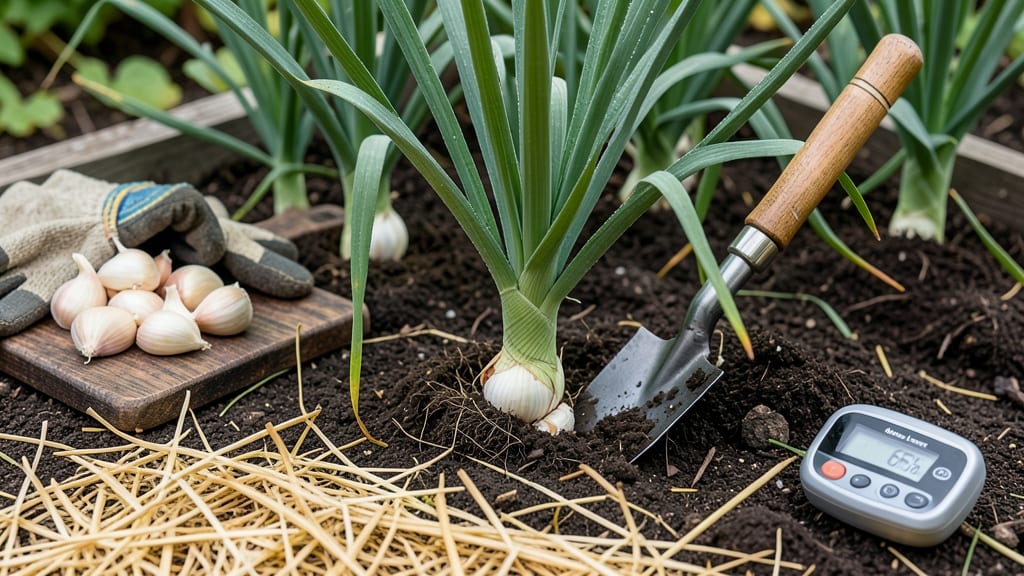
Timing your garlic planting in Zone 8a could mean the difference between a thriving crop of plump bulbs and a disappointing harvest—or worse, wasted effort. The secret lies in those crisp fall months when the air turns cool and the soil holds just the right temperature for strong root growth.
If you're wondering when to plant garlic in Zone 8a, mark your calendar for October to November—this is the sweet spot where garlic cloves get the 6-8 weeks of cold they need before winter sets in.
Too early, and they might sprout too soon; too late, and they won’t establish properly before the ground freezes. Let’s break down the best approach for your climate.
You’ll also discover how to prep your soil for maximum success, which garlic varieties thrive in your zone, and how to avoid common mistakes that sabotage even the most well-intentioned gardeners.
Whether you're a beginner or a seasoned grower, these tips will help you grow garlic that’s bigger, healthier, and ready to harvest by late June.
Ready to turn your garden into a garlic powerhouse? Let’s get those cloves in the ground at the perfect time for a bountiful harvest.
Optimal planting months for garlic in Zone 8a: a seasonal breakdown
Timing your garlic planting in Zone 8a requires understanding the delicate balance between soil temperatures and frost dates. Unlike cooler climates, Zone 8a's mild winters mean you have a narrow window—typically October to November—to plant for the best bulb development.
The key is planting 4-6 weeks before the ground freezes, which usually occurs around mid-December in this zone.
Garlic needs cold stratification to form bulbs, but Zone 8a's mild winters can challenge this process. Planting too early risks premature sprouting, while planting too late may result in underdeveloped bulbs.
The ideal soil temperature should be between 40°F and 50°F at planting time, which aligns perfectly with late fall in Zone 8a.
Here’s how to align your planting with Zone 8a’s unique climate:
| Planting Window | Soil Temp Requirement | Frost Consideration | Notes |
|---|---|---|---|
| Late October | 50°F - 60°F | First frost possible | Best for hardneck varieties; higher bulb yield |
| Early November | 40°F - 50°F | Ground may freeze | Ideal for softneck varieties; slower growth but reliable |
| Mid-November | 35°F - 45°F | Frost likely | Risk of poor bulb formation; only for late-maturing varieties |
If you miss the October-November window, you can still plant garlic in Zone 8a during December, but expect smaller bulbs. The plant will go dormant during winter and resume growth in spring, producing green garlic instead of full bulbs.
For a second harvest, consider planting a small batch in late winter (January-February) for green garlic harvests in early spring.
For Zone 8a gardeners, choosing the right garlic variety is crucial. Hardneck varieties like 'German White' or 'Silverskin' thrive in cooler conditions and are ideal for late fall planting. Softneck varieties like 'Artichoke' or 'California Early' are more forgiving and can handle slightly warmer soil temperatures, making them a better choice for early November plantings.
Pro tip: Use a soil thermometer to monitor temperatures before planting. Aim for consistent 40°F-50°F readings for at least 6-8 weeks to ensure proper bulb development. If your soil stays too warm, consider shading the bed with row covers or mulch to cool it down.
One common misconception is that garlic can be planted anytime in mild climates. However, Zone 8a's lack of extreme cold means garlic won’t get the cold stratification it needs naturally. This is why timing is everything—plant too early, and you’ll get bolting (flowering) instead of bulbs.
Plant too late, and you’ll miss the critical cold period required for bulb formation.
To maximize your chances of success, plant garlic cloves 4-6 inches deep, with the pointy end facing up. Space them 4-6 inches apart in rows 12 inches apart to allow for proper airflow and bulb expansion.
After planting, apply a 2-3 inch layer of mulch (straw or leaves work well) to insulate the soil and protect cloves from temperature fluctuations.
Remember, garlic in Zone 8a is a low-maintenance crop once planted correctly. The real work happens in the timing and preparation—so don’t rush the process. With the right planting window and soil conditions, you’ll be rewarded with plump, flavorful bulbs ready for harvest in late June or July.
Optimal planting months for garlic in Zone 8a: a seasonal breakdown
In Zone 8a, garlic thrives when planted during the cool fall months, specifically between mid-October and November. This timing ensures the cloves get the 6-8 weeks of cold they need to establish strong roots before winter dormancy.
The key is planting 4-6 weeks before the ground freezes, which typically falls around mid-December in your zone.
Garlic is a cool-season crop, meaning it prefers temperatures between 40°F and 60°F for optimal growth. Planting too early (like September) risks premature sprouting, while planting too late (after November) may leave insufficient time for root development before frost.
Aim for that sweet spot where soil temps hover around 50°F-60°F.
The last frost date in Zone 8a is around January 15, but garlic can tolerate light frosts once planted. In fact, the cold period helps break dormancy and encourages bulb formation.
If you miss the fall window, you can still plant green garlic in early spring (February-March), but this yields only the shoots, not full bulbs.
| Planting Window | Soil Temp | Key Consideration | Zone 8a Timing |
|---|---|---|---|
| Fall Planting (Bulbs) | 50°F-60°F | 6-8 weeks cold exposure | Mid-October - November |
| Spring Planting (Green Garlic) | 55°F-65°F | No bulb formation | February-March |
| Avoid Planting | Above 70°F | Poor root establishment | April-September |
For hardneck garlic varieties (like Rocky Mountain or Silverskin), fall planting is critical—they need vernalization (cold treatment) to form bulbs. Softneck varieties (like Artichoke) are more flexible but still prefer fall planting for best results.
If you’re unsure which to choose, hardnecks are ideal for Zone 8a’s climate and produce flavorful scape shoots in spring.
Adjust your planting date based on your local microclimate. Coastal areas may stay warmer longer, while inland zones might freeze earlier. Monitor soil temperatures with a soil thermometer—garlic cloves should go into cooler-than-60°F soil to prevent early sprouting.
If your soil is still warm in November, wait until temperatures drop naturally.
Once planted, mulch with straw or leaves to insulate the soil and protect cloves from freezing. This layer also suppresses weeds and retains moisture. By next spring, you’ll see green shoots emerging—your first sign that the garlic is thriving.
With the right timing, you’re on track for a harvest in late June or July, just as summer heat arrives.