
Plants
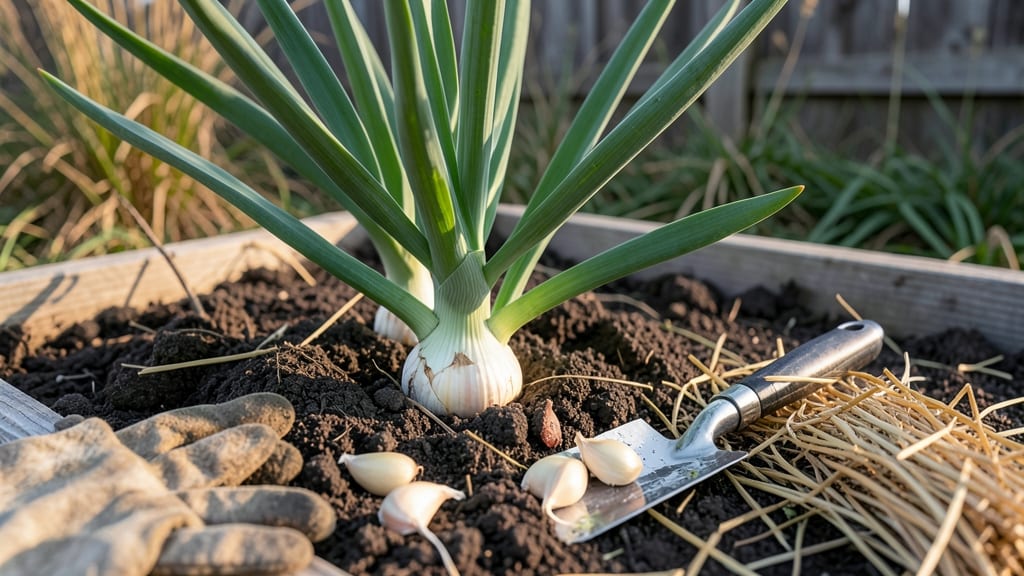
Timing your 🧄 garlic planting in Virginia isn't just about throwing seeds into the ground—it's the secret to growing bold, flavorful bulbs that make your kitchen the envy of the neighborhood.
If you plant too early, your cloves might rot; too late, and they won’t mature properly. The 6a-7b climate here gives you a narrow but critical window to get it right.
Most Virginia gardeners know fall is the time to plant, but the exact month depends on where you live. Coastal areas can stretch into early November, while inland spots near the Blue Ridge Mountains need to plant by late October.
This difference isn’t just about dates—it’s about avoiding those unpredictable frost surprises that can turn your hard work into a flop.
Whether you’re growing hardneck varieties for those prized scapes or softneck for long-term storage, the key is planting 4-6 weeks before the ground freezes. That means checking your local frost dates and getting those cloves in the soil while temperatures are still mild but dropping.
I’ll show you exactly how to nail this timing—and why getting it right makes all the difference in your harvest.
Ready to transform your garden into a garlic powerhouse? Let’s break down the best months, soil prep secrets, and microclimate tips so you can grow the biggest, most flavorful bulbs Virginia has to offer.
Optimal planting months for Virginia garlic: hardneck vs softneck differences
Virginia gardeners know that garlic thrives in cool fall weather, but the exact planting window depends on whether you're growing hardneck or softneck varieties. These two types have different ideal timing because their bulb development cycles respond differently to Virginia's USDA zones 6a-7b and variable frost dates.
Let me break down the perfect months for each type to ensure you get the most flavorful harvest possible.
For hardneck garlic, the sweet spot is mid-October through early November. This timing allows the cloves to establish roots before the ground freezes, which is critical for developing those prized hardnecks and scapes that gardeners love.
In Virginia's northern regions (zone 6a), aim for planting by November 1st to avoid winter stress, while southern Virginia (zone 7b) gardeners can push it slightly later into early November.
Softneck varieties, on the other hand, are more flexible and can handle later planting through December. Their slower bulb development means they can tolerate Virginia's mild winters better, especially in coastal areas where frosts are less severe.
If you're in Tidewater or Hampton Roads, you might even get away with planting softneck garlic as late as mid-December, though yields may be smaller.
Why timing matters so much: Garlic needs 60-80 days of cold temperatures (32-40°F) to properly form bulbs. Planting too early means cloves may sprout before winter sets in, while planting too late risks freezing before roots establish. Virginia's first hard frost typically arrives between mid-November (inland) and late November (coastal), so work backward from that date.
| Garlic Type | Best Planting Window | Virginia-Specific Notes |
|---|---|---|
| Hardneck | Mid-October - Early November | Ideal for zones 6a-7a; scapes form in spring |
| Softneck | Late November - Mid-December | Better for zones 7b; stores longer after harvest |
| Both Types | Avoid planting after ground freezes | Soil temp should be 40-50°F at planting depth |
One common misconception is that you can plant garlic in early spring—but this is a recipe for disappointment in Virginia. Spring-planted garlic rarely develops full bulbs because it misses the critical winter chilling period.
The only exception is if you're growing garlic for green shoots (young garlic), not mature bulbs. For full-sized garlic, stick to fall planting every time.
Pro tip: Check your local Almanac's frost dates and plant 4-6 weeks before the first expected hard frost. In Roanoke or the Shenandoah Valley, this might mean planting by October 15th, while Richmond gardeners could wait until November 1st.
The key is giving garlic enough time to root before winter sets in.
Don't forget that Virginia's microclimates play a huge role. Mountainous areas like Blacksburg have earlier frosts than coastal regions like Virginia Beach. If you're unsure, observe your garden's frost patterns for a few years and adjust your planting schedule accordingly.
A frost-free frame can help extend your window slightly in colder areas.
For maximum success, pair your planting timing with proper soil prep. Work in compost and aged manure before planting to give those cloves the nutrients they need for spring growth. And remember—larger cloves planted in well-draining soil will produce the biggest bulbs.
Once you've nailed your planting window, the rest is just good garden care. With the right timing, you'll be harvesting plump, flavorful garlic bulbs by late June or July—just in time for summer cooking (though we all know garden-fresh garlic deserves to be enjoyed year-round!).
How to time your garlic planting for maximum yield in Virginia gardens
Timing your garlic planting in Virginia isn’t just about picking a month—it’s about syncing with your local climate to ensure those bulbs develop properly. The 4-6 week window before the ground freezes is your golden opportunity, but calculating it takes a few key steps.
Start by checking your last average frost date, which varies from mid-November in coastal areas to early November inland. For example, gardeners in USDA Zone 6a (like Northern Virginia) should plant by late October, while those in Zone 7b (Southside Virginia) can stretch into early November.
Next, focus on soil temperature. Garlic cloves need soil that’s 40-50°F for root establishment. Use a soil thermometer to confirm—if it’s too warm, your cloves might sprout too early and rot.
I’ve found that mid-October often hits this sweet spot for most of Virginia, but always double-check with your local Cooperative Extension Service for precise data tailored to your county.
Don’t overlook the moon phases, either. Planting during the waning moon (when the moon is shrinking) is said to encourage root growth, which is perfect for garlic. Check a lunar planting calendar to align your efforts—this small tweak can make a noticeable difference in bulb size.
For instance, planting on a waning gibbous moon in late October often yields stronger starts than planting during a full moon.
Calculate Frost Dates
Use the USDA Plant Hardiness Zone Map to find your last average frost date. Subtract 4-6 weeks to determine your planting window.
Prepare Planting Beds
Test soil pH (6.0-7.0 ideal) and amend with compost or aged manure. Loosen soil to 12 inches deep for optimal root growth.
Space Cloves Correctly
Plant hardneck garlic 4-6 inches apart in rows 12 inches apart. For softneck varieties, reduce spacing to 3-4 inches for tighter bulbs.
Mulch for Winter Protection
Apply 4-6 inches of straw mulch after planting to insulate cloves from freeze-thaw cycles. Remove mulch in early spring to prevent rot.
Finally, pay attention to spacing and depth. Plant cloves 2 inches deep with the pointed end facing up. This ensures they have enough room to develop without crowding.
In my garden, I’ve noticed that hardneck varieties benefit from slightly wider spacing (6 inches apart) to accommodate their larger bulbs, while softneck types can handle closer spacing (4 inches apart) for more compact harvests.
Once planted, resist the urge to water excessively. Garlic needs moderate moisture but will rot in soggy soil. Water deeply every 7-10 days in fall and winter, then reduce to bi-weekly once growth resumes in spring.
This balance is key to avoiding fungal diseases like white rot, which can devastate your crop—especially in Virginia’s humid climate.
With these steps, you’ll be well on your way to a high-yield garlic harvest by late June or July. The secret?