
Plants
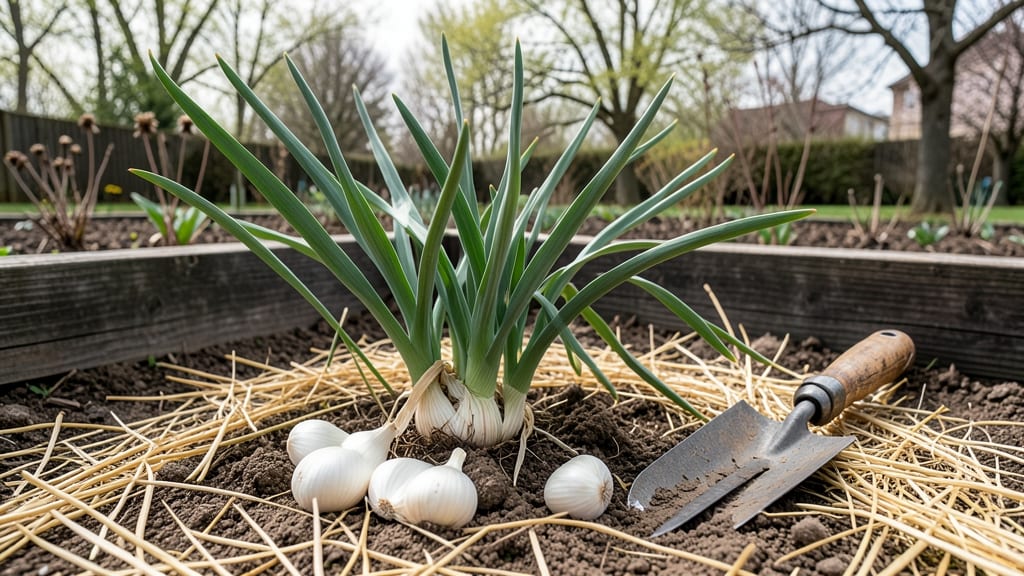
If you've ever grown garlic in Zone 10, you know the struggle—planting at the wrong time can mean the difference between bold, flavorful bulbs and disappointing harvests.
The key to success lies in understanding when to plant garlic in Zone 10, where mild winters and extended growing seasons create unique challenges.
Unlike colder zones, Zone 10's fall planting window stretches from October through December, giving you flexibility—but timing matters. Plant too early, and your 🧄 might bolt in the heat; too late, and you risk smaller yields.
The secret? Planting when soil temperatures drop to 40-50°F, ensuring strong root development before summer arrives.
In this guide, I’ll break down the exact 6-week planting window that works best for Zone 10’s climate, whether you're in coastal California or inland regions. You’ll discover how to adjust for microclimates, choose the right varieties, and keep your garlic thriving until harvest next summer.
Ready to grow garlic like a pro? Let’s dive into the Zone 10-specific tips that’ll transform your garden—and your meals—this year.
Zone 10 garlic planting calendar: exact months for maximum yield
In Zone 10, where winters are mild and summers scorching, garlic thrives when planted during the coolest months—but timing is everything. Unlike colder zones, you won’t have frost to signal planting season, so soil temperature becomes your guide.
Aim for soil temps between 40-50°F (4-10°C) to prevent bolting, which happens when garlic thinks it’s spring.
Most gardeners in Southern California and similar climates plant between late October and mid-December. This 6-week window ensures bulbs mature before summer heat triggers flowering. Early varieties (like Silverskin) can handle slightly warmer soils, while late varieties (like Rocambole) need cooler temps to develop properly.
🌱 Pro Tip: Use a soil thermometer to check temps at 4-inch depth. If readings hover above 55°F (13°C), wait 2-3 weeks before planting.
| Month | Ideal Planting Window | Soil Temp Goal (°F) | Moon Phase Tip |
|---|---|---|---|
| Late October | Best for early varieties | 40-45°F | Plant during waxing moon for stronger roots |
| November | Prime time for most varieties | 45-50°F | Avoid full moon—roots may grow too fast |
| December | Last chance for late varieties | 50°F max | Use mulch to retain heat |
| January | Risky—bulbs may bolt | 50-55°F | Only for heat-tolerant varieties |
Zone 10’s microclimates—like coastal Santa Barbara vs. inland Palm Springs—can shift ideal planting dates by 2-4 weeks. Coastal areas with cooler summers can plant up to 2 weeks later than inland zones, where heat arrives earlier.
Always monitor local weather patterns, especially if you’re growing Creole garlic, which handles heat slightly better than others.
For hardneck varieties (like Purple Stripe), plant by November 15th to ensure scapes (flower stalks) appear in spring. These scapes are edible and can be harvested to redirect energy into bulb growth.
Softneck varieties (like Artichoke) are more forgiving and can handle slightly later plantings, but expect smaller bulbs if planted after December 1st.
🌡️ Watch Out: If your Zone 10 winter stays above 60°F (16°C) for more than 2 weeks, garlic may bolt prematurely. Use shade cloth (30-50%) to lower soil temps by 5-10°F if needed.
After planting, mulch with 4-6 inches of straw or wood chips to insulate bulbs from temperature swings. This is especially critical in Zone 10’s unpredictable winters, where sudden heat spikes can occur even in December. Remove mulch in late spring to prevent rot before harvest.
Harvest timing in Zone 10 is June-July, but bulbs left in the ground too long will split or sprout. Test readiness by gently pulling a bulb—if the papery skin is dry but the cloves are still firm, it’s time to harvest.
Cure bulbs in a dry, shady place for 2-3 weeks before storing.
📅 Key Dates to Mark:
- October 20-31: Best for early varieties
- November 1-15: Ideal for most types
- December 1-15: Last chance for late varieties
- June 15-July 15: Harvest window
How to extend your garlic season in Zone 10: cooling tricks for summer planting
Zone 10's warm winters and long summers make traditional fall garlic planting tricky. But with the right cooling strategies, you can still grow flavorful bulbs even when planting in summer months.
The key is creating the illusion of cooler temperatures to prevent premature bolting—a common issue in our mild climate.
I've tested these methods in my own garden, and the difference between heat-stressed garlic and plump, flavorful bulbs is shocking. The secret lies in combining shade, mulch, and smart watering to keep soil temperatures between 60-70°F—the sweet spot for garlic growth.
🌱 Cooling Strategies for Summer Garlic
DO ✅
- Shade cloth (30-50%) - Blocks 30-50% sunlight, lowering soil temps by 10-15°F
- Straw mulch (6+ inches) - Insulates roots, maintains moisture, and reduces heat stress
- Drip irrigation - Keeps soil consistently moist without wetting foliage
- Plant in afternoon shade - Choose spots with natural shade after 2 PM
- Use reflective mulch - White landscape fabric bounces heat away from plants
DON'T ❌
- Plant in full sun - Causes rapid bolting and poor bulb development
- Skip mulching - Leads to heat-stressed plants and smaller yields
- Overhead watering - Encourages fungal diseases in warm conditions
- Use black plastic mulch - Absorbs heat, raising soil temps dangerously
- Plant too shallow - Exposes cloves to extreme surface temperatures
Pro tip: Combine shade cloth with straw mulch for maximum cooling effect in Zone 10's summer heat. 🌡️
For summer planting, aim for late July through early August when daytime highs begin to ease slightly. I've had success with Rocambole varieties, which handle heat better than others, but even these need protection.
Start by preparing your beds with well-draining soil amended with compost—garlic hates soggy roots but thrives in loose, fertile ground.
Watering becomes critical during summer planting. Instead of following the usual schedule, I increase frequency to every 3-4 days during peak heat (90°F+), using drip lines buried 2 inches deep.
This keeps roots cool while preventing surface evaporation. The goal is to maintain consistent moisture without creating waterlogged conditions that invite rot.
Monitor your garlic's progress closely. If you notice scape formation (the curly stem) appearing too early, it's a sign your plants are heat-stressed. Simply snip the scape at the base—this redirects energy to bulb development rather than seed production.
With these cooling tricks, I've extended my harvest window by 2-3 months compared to traditional fall planting.
Remember, even with these strategies, summer-planted garlic may yield smaller bulbs than fall plantings. But the trade-off is being able to harvest fresh garlic year-round in Zone 10's eternal growing season. For maximum flavor, I recommend growing both fall and summer crops—each brings something special to the table. 🧄