
Plants
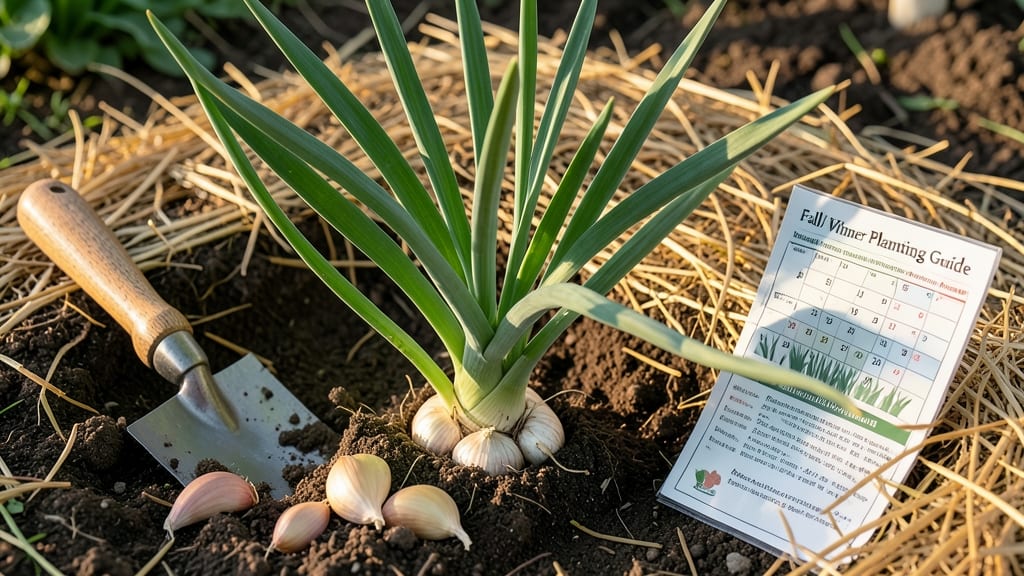
Timing your 🧄 garlic planting in South Texas isn't just about the calendar—it's about dodging the dreaded bolting that turns your hard work into bitter disappointment.
The key? Planting between October and November, when soil temps drop just enough to trick those cloves into rooting before winter's chill sets in.
Here's the secret most gardeners miss: South Texas' 9a-10a climate means your coastal areas and inland valleys have different sweet spots. While San Antonio might nail mid-October plantings, the Rio Grande Valley could wait until late November without breaking a sweat.
Get this wrong, and you'll either get skinny, stringy bulbs or watch your garlic bolt into flower stalks before you can say "pesto."
What you're about to discover is how to read your local microclimate like a pro—so you can plant at exactly the right moment for plump, flavorful bulbs that'll make your neighbors jealous.
We'll cover soil prep tricks that work in our heavy clay or sandy soils, plus the exact varieties that thrive here without turning into sad little nubs.
Ready to grow garlic that actually tastes like garlic? Let's break down the perfect planting window, soil secrets, and variety picks that'll have you harvesting April through May with zero regrets. Your future braided garlic wreaths are waiting.
Optimal South Texas garlic planting dates by climate Zone
South Texas' varied climate—from San Antonio's rolling hills to the coastal breezes of Corpus Christi—means garlic planting dates shift slightly by region. To avoid bolting (premature flowering), aim for 4-6 weeks before the first frost, typically between mid-September and November.
Coastal areas like the Rio Grande Valley can plant a bit later due to milder winters.
Your USDA Zone 9a-10a climate extends the growing season, but temperature thresholds matter most. Garlic needs cool soil (60-65°F) to root before winter dormancy. Plant too early in Zone 10a, and heat stress triggers bolting. Too late, and bulbs won’t mature fully before summer heat arrives.
Here’s how to align your planting with South Texas’ microclimates for maximum bulb size and flavor:
For hardneck varieties, prioritize the earlier window (Sept-Oct)—they need cold to form bulbs. Softneck varieties like 'Silverskin' are more forgiving and can handle November plantings in milder zones. Check your local agricultural extension office for year-specific frost dates, as they can vary by 2-3 weeks annually.
Pro tip: Use a soil thermometer to confirm temperatures. If soil stays above 70°F (21°C) for more than 3 days, delay planting until nights cool. This simple tool prevents costly bolting mistakes.
Once planted, mulch with 2-3 inches of straw to insulate roots during winter temperature swings. This protects cloves from freeze-thaw cycles that can crack bulbs. In Zone 10a, reduce mulch thickness to allow some cold exposure for hardneck varieties.
Remember: Garlic grows best with winter chill, but South Texas’ mild winters mean you’re pushing the limits. By aligning with these regional windows, you’ll harvest plump, flavorful bulbs—not stringy, underdeveloped ones. Start your cloves now, and you’ll thank yourself next April-May at harvest time. 🧄
Optimal South Texas garlic planting dates by climate Zone
South Texas' 9a-10a climate creates microclimates where a San Antonio gardener's perfect planting date might send Rio Grande Valley garlic bolting. The golden rule? Plant when soil temps hit 60-70°F—this triggers root growth before winter dormancy.
Miss this window, and you'll either get skinny bulbs or flower stalks instead of cloves.
Coastal areas like Corpus Christi can plant later due to milder winters, while inland zones like Del Rio need to plant earlier to avoid heat stress. Your goal: establish roots 4-6 weeks before first frost (typically mid-December in most areas).
| Zone/Location | Ideal Planting Window | Soil Temp Target | Key Risk |
|---|---|---|---|
| San Antonio (Zone 8b) | Mid-October to early November | 60-70°F | Early bolting if planted too late |
| Corpus Christi (Zone 9a) | Late October to early December | 65-75°F | Heat stress if planted too early |
| Rio Grande Valley (Zone 9b-10a) | November to early December | 70-78°F | Bolting from winter warmth |
| Inland (e.g., Del Rio, Zone 8b) | Late September to October | 55-65°F | Frost damage if planted too late |
Pro tip: Use a soil thermometer to confirm temps—don't guess! If your area gets unpredictable winters (like Harlingen), err on the earlier side. The first frost might come early, but garlic roots are surprisingly hardy once established.
For container gardening in South Texas, plant in October-November regardless of zone—containers warm faster and cool quicker than ground soil. Use black plastic mulch to maintain even soil temps and reduce watering needs during our dry winters.
Remember: The earlier you plant, the larger your bulbs—but don't plant so early that cloves sprout before winter sets in. Aim for 4-6 weeks before first frost, and you'll nail that sweet spot between bold growth and bolting prevention. 🌱