
Trees
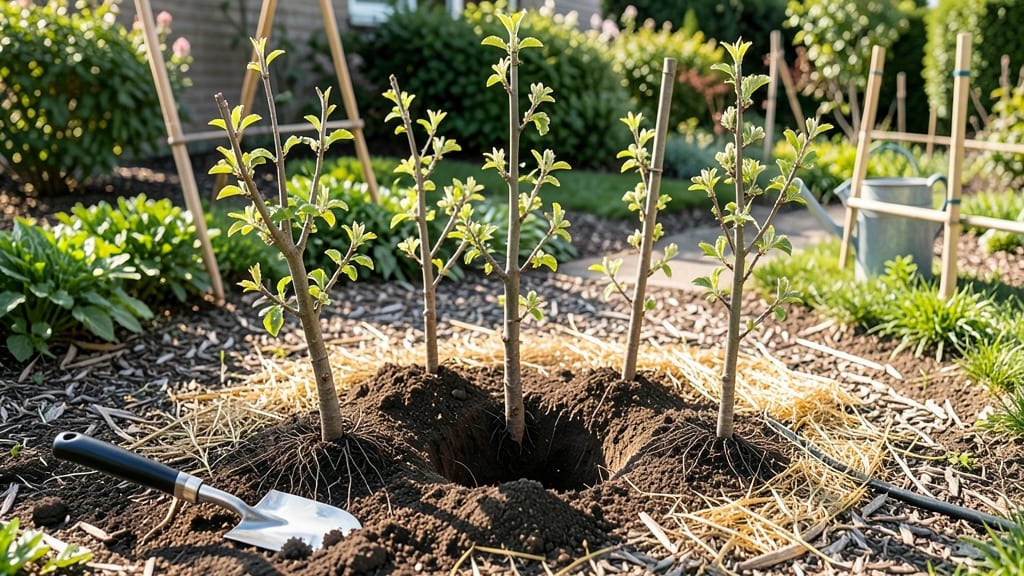
Timing is everything when it comes to planting fruit trees in Virginia—get it wrong, and you might spend years waiting for that first harvest. 🍎 The key isn’t just picking the right month, but matching your tree varieties to Virginia’s unique chill-hour zones (6a-8a) to ensure reliable fruit production.
Most gardeners know late winter or fall are ideal windows, but did you know peaches need 500-800 chill hours while apples thrive with 800-1,000 hours? Planting at the wrong time—like after the last frost in March—can stress young trees and delay fruiting for years.
Let’s break down the exact planting schedule that works for your Virginia climate.
Whether you’re planting bare-root saplings in February or container-grown trees in November, understanding your local frost dates and soil conditions makes all the difference. I’ll show you how to align planting with dormancy periods, soil prep, and even microclimates—so you can skip the guesswork and start harvesting sooner.
Ready to turn your backyard into a fruit orchard? By the end, you’ll know not just when to plant, but which varieties will thrive in your specific Virginia zone—and how to avoid common pitfalls that waste years of effort.
Virginia fruit tree planting calendar: best months by chill-hour zones
Virginia’s diverse climate zones (USDA 6a-8a) mean your fruit tree’s success hinges on matching its chill-hour needs to your region. The mountains (Zone 6a) require 800+ chill hours, while the Tidewater (Zone 8a) thrives with 300-500 hours.
Planting at the wrong time—like waiting until April in Zone 6a—can stunt growth or prevent fruiting entirely.
For bare-root trees, the dormant season (late winter to early spring) is ideal—roots establish before buds break. Container-grown trees, however, can handle fall planting (October-November) since their roots aren’t exposed.
Always check your last frost date: most of Virginia sees frost until mid-March, but Zone 8a may escape until mid-November.
Chill hours (accumulated temps below 45°F) trigger flowering. A peach tree needing 600 hours in Zone 7a will fail in Zone 8a’s 300-hour climate. Use this comparison table to align your variety, planting window, and zone for maximum yield.
In Zone 6a, February is your best window for bare-root trees like apples or pears, but wait until March in Zone 7a to avoid late frosts.
For container-grown trees, fall planting (October-November) gives roots time to establish before winter. Figs and persimmons—low-chill varieties—can even handle Zone 8a’s mild winters if planted in spring.
Soil temperature matters more than air temperature. Use a soil thermometer to confirm 50°F+ before planting.
In Zone 7a, March soils often hit this mark, while Zone 6a may need to wait until late March. Waterlogged soil in spring can suffocate roots, so plant on a dry-ish day and water deeply afterward.
If you miss spring planting, fall (October-November) is your next chance—just avoid planting when soil temps drop below 40°F. Container-grown trees handle fall better because their roots stay insulated. Bare-root trees, however, need 6+ weeks
Virginia fruit tree planting calendar: best months by chill-hour zones
Virginia’s climate varies dramatically from the mountains in Zone 6a to the coastal plains in Zone 8a, meaning your planting window depends on both chill hours and frost dates. Most fruit trees need 200-1,000 chill hours—the number of hours below 45°F—to produce fruit reliably.
For example, Zone 6a (e.g., Roanoke) gets 700-1,000 hours, while Zone 8a (e.g., Norfolk) only sees 500-700 hours, limiting your choices.
Bare-root trees are best planted in late winter to early spring (February–April), while container-grown trees can go in fall (October–November). The key is planting 4-6 weeks before your last frost date—so if your last frost is March 15, aim for mid-February.
Fall planting allows roots to establish before winter, but avoid planting when soil temps drop below 40°F.
Here’s how to align planting with Virginia’s chill-hour zones and frost risks:
For bare-root trees, prioritize planting in dormancy (February–March) when roots are inactive but soil is workable. Container-grown trees, however, can handle fall planting (October–November) because their roots stay active longer. In Zone 6a, where frosts linger later, delay planting until soil temps hit 45°F to prevent root rot.
Pro tip: Use a soil thermometer to check temps before planting—50°F+ is ideal. If your area has microclimates (like a sheltered valley or urban heat island), adjust by 1-2 weeks. For example, Richmond’s urban areas may frost 1 week later than nearby countryside.
Timing isn’t just about months—it’s about matching your tree’s chill needs to your zone’s winter. Plant too early, and roots may freeze; too late, and trees struggle to establish before summer heat. Get this right, and you’ll see fruit in 3–5 years instead of waiting a decade.