
Flowers
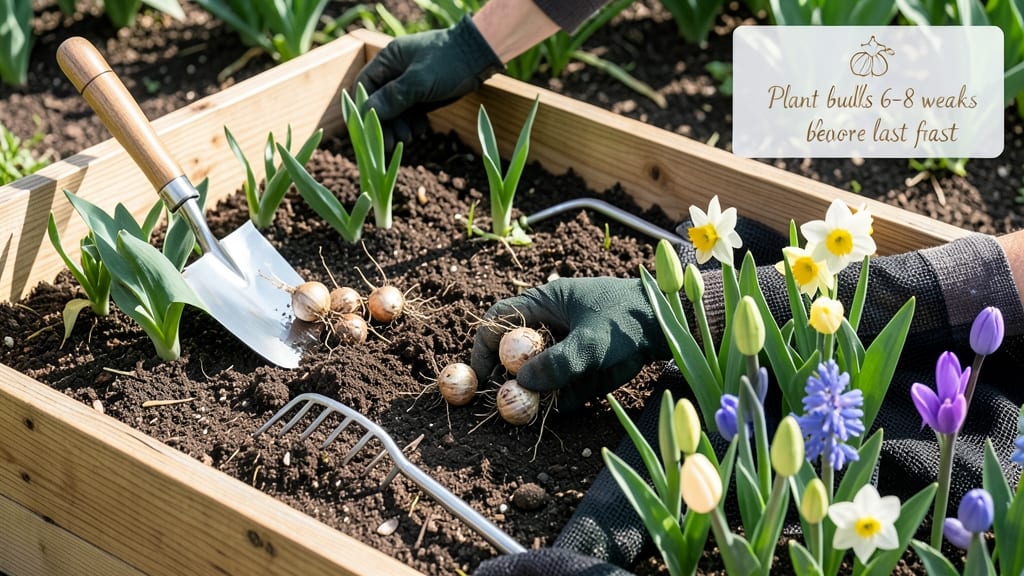
Timing your spring flower planting isn't just about checking a calendar—it's about tapping into nature's hidden rhythm to give your 🌸 blooms the best possible start. Whether you're a seasoned gardener or just starting out, getting this right can mean the difference between vibrant summer gardens and struggling seedlings.
Here's the secret: the last frost date in your area is your first clue, but it's not the whole story. In Zone 6a, that typically means waiting until mid-April, but there's more to consider.
Soil temperature, moon phases, and even flower types play crucial roles in determining the perfect planting window for maximum growth and blooming potential.
I'll show you exactly how to align your planting schedule with these natural factors to create a thriving garden. From understanding which flowers thrive when planted under a waxing moon to recognizing the signs that your soil is truly ready, you'll discover the game-changer techniques that experienced gardeners swear by.
Get ready to transform your approach to spring planting. By the end, you'll know not just when to plant your flowers, but how to give them the strongest foundation for a season of beautiful blooms that will make your neighbors green with envy.
Spring planting timeline by flower type and US hardiness zones
Determining the perfect time to plant your spring flowers depends on two critical factors: your USDA hardiness zone and the type of flower you're growing. While your last frost date is the starting point, different flowers have unique temperature requirements that can extend or shorten your planting window by weeks.
For example, cool-season annuals like pansies and snapdragons can handle light frosts and often thrive when planted 4-6 weeks before your last frost date. Meanwhile, warm-season favorites like petunias and marigolds need to wait until after all danger of frost has passed to establish strong roots.
Here's where things get interesting: in Zone 6a (where average last frost dates fall around mid-April), your planting timeline might look dramatically different from a gardener in Zone 9b (where frost rarely occurs before December). Let's break down the optimal planting windows for common spring flowers across different zones.
🌱
| Flower Type | Zone 3-5 (Cold Climates) | Zone 6-8 (Temperate) | Zone 9-11 (Warm Climates) |
|---|---|---|---|
| Cool-Season Annuals (Pansies, Snapdragons) | 4-6 weeks before last frost (March) | 3-4 weeks before last frost (Late March) | Fall or early spring (Nov-Feb) |
| Warm-Season Annuals (Petunias, Marigolds) | 2 weeks after last frost (Late May) | After last frost (Mid-April) | Year-round (avoid summer heat) |
| Perennials (Coneflowers, Black-Eyed Susans) | Early spring (April) or fall | Early spring (April) or fall | Fall planting preferred |
| Spring-Blooming Bulbs (Tulips, Daffodils) | Fall (September-October) | Fall (October-November) | Fall (November-December) |
| Vegetative Propagation (Coleus, Begonias) | After last frost (May) | After last frost (April-May) | Year-round (indoors first) |
Notice how spring-blooming bulbs actually belong in the fall planting category? That's because they need a period of cold dormancy to trigger blooming. This is a common misconception that trips up many new gardeners—planting bulbs in spring rarely produces flowers the same year.
For Zone 6a gardeners, my recommendation is to focus on early April for cool-season annuals and mid-April for warm-season varieties. But here's a pro tip: always check your soil temperature.
Even if the calendar says it's safe, cold soil can stunt root growth. Aim for 60°F or warmer for most flowers.
One final consideration: transplant shock is a real risk when planting too early. Seedlings planted before the soil warms properly often struggle to establish roots, making them vulnerable to disease. That's why I recommend hardening off seedlings indoors for 7-10 days before transplanting them outdoors.
🌼
How moon phases affect flower growth and when to plant by phase
Did you know that planting your flowers under the right moon phase can give them a 30% growth boost? This ancient gardening wisdom isn't just folklore—it's rooted in science.
The moon's gravitational pull influences everything from root development to flowering cycles, making it a powerful tool for timing your spring plantings just right.
The key is understanding which moon phases work best for different flower types. For example, bulbs and root crops thrive when planted during the waxing moon (when the moon is growing brighter), while leafy greens and flowering plants prefer the waning moon (when it's shrinking).
This lunar timing can mean the difference between weak, leggy stems and robust, vibrant blooms.
Here's my 28-day lunar planting calendar that breaks down the best phases for your favorite flowers. Whether you're planting annuals like marigolds or perennials like lavender, aligning with the moon can help you avoid common pitfalls like stunted growth or poor blooming.
Let me show you how to apply this in practice. Start by checking your local lunar calendar (many gardening apps include this feature). For example, if you're planting marigolds in late April, aim for the waxing gibbous phase to encourage those vibrant blooms.
The gravitational pull during this time helps direct energy upward, resulting in stronger stems and more flowers.
Pro tip: Keep a gardening journal to track which moon phases work best in your specific climate. You might discover that certain flowers in your region respond differently than the general guidelines suggest. Over time, you'll develop your own lunar planting schedule tailored to your garden's unique conditions.
Remember, the moon's influence isn't just about timing—it's about working with nature's natural rhythms. When you align your planting with these cycles, you're essentially giving your flowers a head start on their growth journey.
That's how you create gardens that don't just survive the season, but thrive and burst into color like never before. 🌿🌸