
Plants
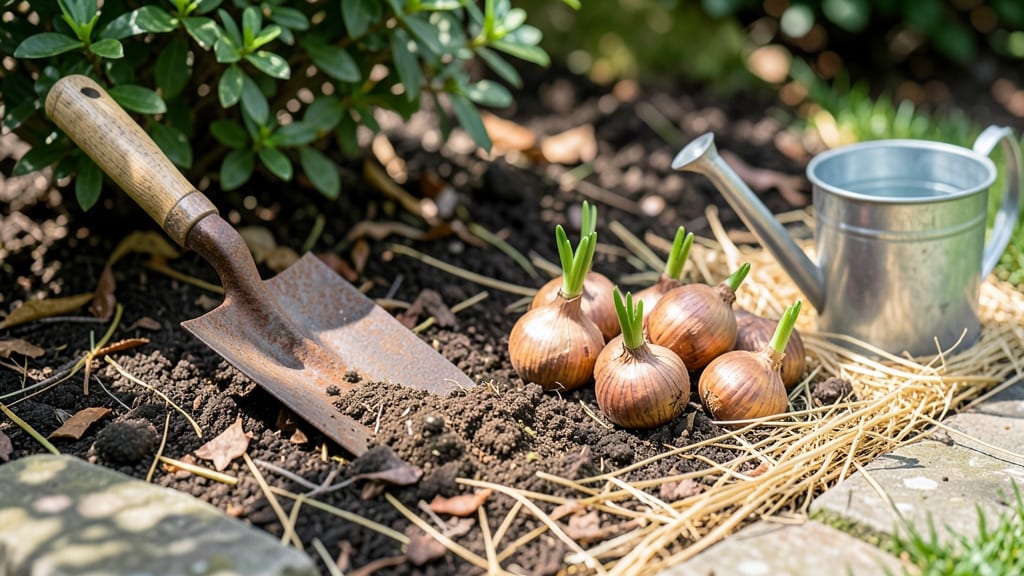
Timing when to plant Asiatic Lily bulbs in spring perfectly isn’t just about checking the calendar—it’s about understanding when the soil finally warms up to 50–60°F. Plant too early, and frost can stunt growth; too late, and you might miss the ideal bloom window entirely.
The key? A simple soil temperature test that most gardeners overlook.
Most gardeners assume spring planting means waiting until after the last frost, but for Asiatic Lilies, soil warmth matters more. In Zone 6a (like where I garden), that usually lands in early to mid-April—but your exact timing depends on local conditions.
Let me show you how to test soil readiness and avoid common mistakes that kill blooms before they even start.
You’ll also discover why pre-sprouting bulbs indoors can give you a head start in cooler climates, and how to prepare your soil for maximum growth. Whether you’re a first-time gardener or a seasoned pro, these insights will help you get bold, healthy blooms every season.
Ready to transform your garden? Let’s dive into the exact steps to plant your Asiatic Lilies at the perfect moment—so you’re not left wondering why your bulbs flopped.
How to time Asiatic lily planting using soil temperature (not just dates)
Most gardeners rely on last frost dates to plant spring bulbs, but Asiatic lilies (🌷) thrive when soil reaches 50–60°F, not just when the air warms. This soil temperature rule ensures bulbs sprout without rotting or stunting.
For example, in Zone 5, last frost might be April 15, but soil may not warm until May 1. Planting too early risks frost damage to tender shoots.
Why soil warmth matters: Asiatic lily bulbs need consistent warmth to break dormancy. Cold soil delays growth, while too-hot soil (above 70°F) can stress bulbs. The key is finding that sweet spot—when earthworms reappear and grass sprouts.
This natural soil thermometer works better than calendar dates, especially in cooler climates like Zones 3–6.
Here’s how to test soil temperature accurately: Insert a meat thermometer (or a soil thermometer) 4 inches deep in a shady spot. Check it in the morning for 3 days.
If it’s consistently 50–60°F, your soil is ready. In warmer zones (7–10), you can plant as early as March, but wait until April–May in colder regions.
| Zone | Ideal Planting Window | Soil Temp Goal | Regional Notes |
|---|---|---|---|
| 3–5 | Mid-April to early May | 50–55°F | Use cold frames if soil is slow to warm. |
| 6–8 | Late March to April | 55–60°F | Containers warm faster—plant 2–3 weeks earlier. |
| 9–10 | February to March | 60°F+ | Watch for heat stress; mulch to retain moisture. |
Regional examples show why soil temperature trumps dates. In Zone 4 (e.g., Minneapolis), last frost is May 15, but soil may not hit 50°F until May 20. Planting on May 1 risks frost-killed shoots.
Conversely, in Zone 9 (e.g., Los Angeles), soil reaches 60°F by February, so planting in March is ideal. Always test your soil—don’t guess!
What if your soil is too cold? Pre-sprout bulbs indoors under grow lights for 4–6 weeks before transplanting. Choose a well-draining container (like terracotta) and keep soil at 65–70°F until shoots are 2–3 inches tall.
This head start compensates for late spring planting. Just avoid letting bulbs overheat—they’ll rot if soil stays above 75°F.
Pro tip: Mulch after planting to regulate soil temperature. Use straw or shredded leaves (2–3 inches thick) to insulate bulbs from late frosts and heat spikes. Remove mulch once foliage emerges to prevent rot. This simple trick extends your planting window by 1–2 weeks in unpredictable climates.
Common mistake: Planting Asiatic lilies too deep or too shallow. Aim for 4–6 inches deep and 6 inches apart. Deeper planting delays blooms, while shallow planting exposes bulbs to temperature swings. Use a bulb planter or your finger to dig holes—consistency matters more than precision.
Remember, Asiatic lilies are spring-planted bulbs, unlike tulips or daffodils, which go in fall. Their hardiness (Zones 4–9) means they tolerate light frosts after planting, but soil warmth is non-negotiable.
Once planted, water deeply once and let nature take over—your lilies will reward you with bold blooms by summer.
For maximum blooms, pair planting with fertilizer. Apply a balanced 10-10-10 fertilizer when shoots reach 4 inches tall. This timing ensures roots have established but aren’t overwhelmed. Skip heavy feeding—too much nitrogen reduces flower production.
How to time Asiatic lily planting using soil temperature (not just dates)
Most gardeners focus on last frost dates when planting Asiatic lilies, but that’s only half the story. These bulbs need soil temperatures between 50–60°F to sprout properly—cold soil can delay growth by weeks.
I’ve learned the hard way that planting too early in Zone 6a (like my garden) often results in weak stems that flop under summer blooms.
Here’s the trick: Use a simple soil thermometer to check depth. Stick it 4–6 inches deep (where bulbs will sit) and wait until the reading stays above 50°F for 3–5 days.
In my area, this usually happens around mid-April, but your timeline may vary by 1–2 weeks depending on microclimates.
For cooler regions (Zones 3–5), you might need to pre-sprout bulbs indoors under grow lights starting in March. In warmer zones (Zones 8–10), you can plant as early as February, but watch for sudden heatwaves that dry out soil too quickly.
🌱 Asiatic Lily Planting Timeline by Zone
| Zone | Ideal Planting Window | Soil Temp Goal | Key Tip |
|---|---|---|---|
| 3–5 | Late April–early May | 50–60°F (use cold frame) | Pre-sprout bulbs indoors |
| 6–7 | Mid-April–mid-May | 50–60°F (test daily) | Mulch after planting |
| 8–10 | February–March | 55–65°F (watch for drought) | Plant in shade cloth if hot |
If your soil isn’t warm enough by your target date, don’t panic. You can plant bulbs in containers filled with potting mix and move them outdoors during the day, bringing them in at night until soil warms.
This method works surprisingly well—last year, I got full-size blooms from bulbs started in pots!
Pro tip: Pair your soil thermometer with a moisture meter. Asiatic lilies hate soggy soil, so aim for well-draining conditions. Amend heavy clay with compost or perlite to improve drainage before planting. The goal is moist but not waterlogged soil—this prevents bulb rot while encouraging strong root growth.
Remember, the 4–6 week window before your last frost isn’t a rigid rule—it’s a guideline. Adjust based on your local microclimate. For example, south-facing beds warm up faster than north-facing ones. Use these insights to fine-tune your timing and enjoy vibrant blooms all summer long. 🌷