
Flowers
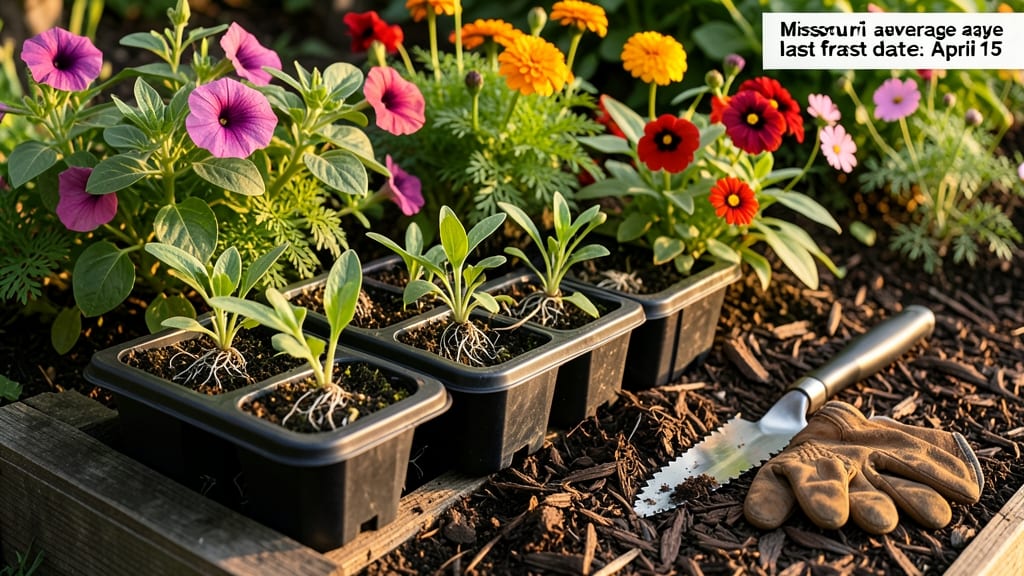
If you’ve ever watched your beautiful 🌸 flowers wilt overnight after a surprise frost, you know when it is safe to plant flowers in Missouri is everything in gardening here. The last frost date isn’t just a number—it’s the difference between a vibrant garden and wasted effort.
Missouri's 5b-6b hardiness zones mean your St. Louis neighbors might plant two weeks earlier than gardeners in Springfield. But with the right information, you can avoid common mistakes and start your flowers between April 15 and May 15—right after the frost danger has passed.
I'll show you exactly when to plant based on your city's frost history, how to prepare your soil for success, and which flowers thrive in Missouri's 165 frost-free days. No more guessing—just confident planting that leads to blooms all season.
Whether you're planting delicate petunias or hardy sunflowers, these zero-risk strategies will help you time your garden perfectly. Let's get your flowers growing strong from day one.
Missouri last frost dates by City: safe planting windows for annual and perennial flowers
Missouri’s last frost dates vary dramatically across its 6 USDA hardiness zones (5b-7a), making it critical to know your local averages.
In St. Louis (Zone 6a), the average last frost typically falls around April 15, while Kansas City (Zone 6a) often sees its final freeze by April 10.
Southern cities like Springfield (Zone 6b) can plant as early as March 25, giving them a 2-week advantage over northern areas.
Northern Missouri, including Columbia (Zone 6a) and areas near the Iowa border, usually waits until April 20 to plant tender flowers like petunias and marigolds. These dates are based on 30-year averages, but microclimates—like urban heat islands or sheltered valleys—can shift safe planting by 1-2 weeks.
Always check your local National Weather Service for real-time updates.
For heat-loving annuals like zinnias and sunflowers, aim to plant by May 1 in most of Missouri to avoid bolting (premature flowering). Perennials like coneflowers and black-eyed Susans can handle earlier planting, even if a late frost hits, as they’re hardier once established.
The key is monitoring soil temperatures—wait until they reach 60°F for most flowers.
| City | USDA Zone | Avg. Last Frost | Safe Planting Window | Notes |
|---|---|---|---|---|
| St. Louis | 6a | April 15 | April 20–May 1 | Urban areas warm faster; check microclimates |
| Kansas City | 6a | April 10 | April 15–April 30 | Drier climate; water deeply after planting |
| Springfield | 6b | March 25 | March 30–April 15 | Earlier frost risk in valleys |
| Columbia | 6a | April 20 | May 1–May 10 | Cooler nights; use row covers for early plants |
| Southeast MO (Poplar Bluff) | 7a | March 10 | March 15–March 31 | Longest growing season in MO |
If you’re planting seedlings (like impatiens or geraniums), wait until 2 weeks after the average last frost to ensure roots establish before summer heat. For direct-sown seeds, such as cosmos or sunflowers, you can start 1-2 weeks earlier since they’re more resilient to light frosts.
Always harden off seedlings for 7-10 days before transplanting to avoid shock.
Missouri’s first frost typically arrives around October 20, but this varies by 10-14 days depending on elevation. For fall-blooming flowers like mums and asters, plant by September 1 to ensure they establish roots before winter.
Use mulch (2-3 inches) to protect perennials from early frosts and extend their blooming season.
Pro tip: Use biodegradable row covers to push planting dates 2-3 weeks earlier for frost-sensitive flowers. Remove covers during the day to allow pollination but reapply at night for extra protection. This is especially useful for St. Louis and Kansas City, where late frosts are common.
For bulbs like tulips and daffodils, plant in fall (October-November) when soil temps drop below 60°F. These hardy plants thrive when exposed to cold stratification, which triggers vibrant spring blooms.
In Missouri’s Zone 5b-7a, bulbs planted in fall will reward you with earlier and more abundant flowers than spring-planted varieties.
Always monitor your local Missouri Climate Center for updates, as La Niña or El Niño years can shift frost dates by 10-14 days. For example, 2023’s late spring delayed safe planting in St. Louis until May 5, costing gardeners 3 weeks of blooms.
Stay flexible and adjust your planting timeline based on real-time weather.
Remember: Soil temperature matters more than air temperature. Use a soil thermometer to confirm 60°F+ before planting heat-loving flowers like zinnias or marigolds. In cooler microclimates (like shaded areas), wait until May 15 to avoid stunted growth.
With these dates and tips, your Missouri garden will burst into color without frost-related setbacks!
How to adjust planting dates for Missouri’s microclimates and flower types
Missouri’s microclimates can create a 10-day difference in safe planting windows between cities like St. Louis and Columbia. Even within your own yard, a south-facing slope warms up faster than a shady corner.
I’ve learned to adjust my planting dates based on three key factors: flower hardiness, soil temperature, and local frost history.
For cold-hardy flowers like pansies or snapdragons, you can start seeds indoors 6-8 weeks before your city’s last frost date. These tough bloomers tolerate 28°F temperatures and even light frosts, giving you a flexible window from early March to mid-April.
I always plant mine in early April in St. Louis for guaranteed blooms by Mother’s Day.
- 🌡️ Soil Temperature Rule: Wait until soil reaches 60°F (use a soil thermometer!) for heat-loving flowers like zinnias or sunflowers.
- 📅 Seedling Safety: Transplant seedlings only when nighttime temps stay above 50°F for 5+ consecutive days.
- 🌿 Microclimate Hack: Plant heat-sensitive flowers (like impatiens) in north-facing beds to delay heat stress by 2-3 weeks.
- 🛡️ Frost Protection: Use row covers to extend planting by 2-3 weeks for tender annuals like petunias.
- 📊 City-Specific Tip: Kansas City gardeners can plant 1 week earlier than St. Louis due to its slightly warmer spring.
Some flowers thrive with extended seasons if you use the right tricks. I’ve had great success with zinnias and cosmos by starting them indoors in late March and hardening them off before transplanting in early May.
For heat-sensitive varieties like begonias, I delay planting until late May and place them in partial shade to prevent wilting.
Your flower maturity rate also affects timing. Fast-growing annuals like marigolds (ready in 45 days) can handle later starts, while perennials like coneflowers need 120 frost-free days to establish.
I always check my seed packets for days to maturity and count backward from my city’s first frost date (around October 20 in Missouri).
Don’t forget about fall planting—Missouri’s mild autumn lets you extend your season with cool-season flowers like asters and chrysanthemums. I plant these in early September for blooms that last until November’s first frost.
The key is choosing varieties that tolerate 32°F temperatures and giving them time to root before winter.
Pro tip: Use a weather app with frost alerts (like Old Farmer’s Almanac) to track real-time conditions. I’ve saved multiple plantings by covering my garden with lightweight frost cloth when a late frost is predicted.
With these adjustments, you’ll maximize your 165 frost-free days and enjoy flowers from April through October.