
Plants
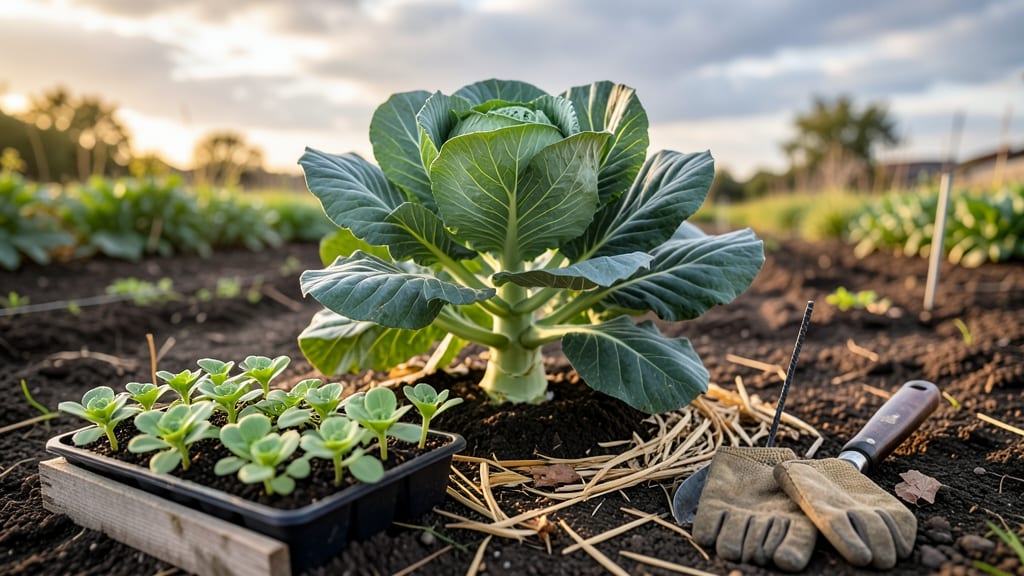
If you've ever watched your 🥬 cabbage plants bolt into bitter flowers instead of forming sweet heads, you know timing is everything in Illinois' Zone 5b climate. Planting at the wrong moment can turn your garden dreams into disappointment, especially when spring's last frost lingers unpredictably around mid-April.
But here's the good news: Illinois gardeners actually have two prime windows to grow cabbage successfully - early spring and late summer. The key lies in understanding your local microclimate, whether you're in Chicago's urban heat islands or rural farmland, and how to adjust planting dates accordingly.
In this guide, I'll break down the exact planting deadlines you need to know for zero-bolt success, including soil temperature thresholds and how to extend your growing season with simple techniques.
You'll discover which cabbage varieties thrive best in Illinois' short season and how to time your harvests for maximum flavor.
Whether you're a first-time gardener or a seasoned green thumb, these Illinois-specific strategies will help you grow cabbage that's tender, sweet, and ready to harvest - without the bitter surprise of premature bolting.
Optimal cabbage planting windows in Illinois (zone 5b): avoid bolting with exact dates
Cabbage thrives in cool weather, making timing critical in Illinois’ Zone 5b climate. Plant too early, and frost will kill seedlings. Plant too late, and bolting (premature flowering) turns your cabbage bitter. The key is planting when soil temps hit 40°F but before summer heat sets in.
Illinois’ last frost dates vary by region: mid-April in northern IL (e.g., Chicago) and late March in southern IL (e.g., St. Louis). Use these as your planting deadlines.
For a successful harvest, aim to transplant seedlings 2-3 weeks before the last frost or direct-sow seeds 4-6 weeks before.
🌱 Spring Planting Window: March 15 – April 30 🌿 Fall Planting Window: August 1 – September 15
📅 Illinois Cabbage Planting Timeline
| Season | Planting Window | Soil Temp | Days to Harvest | Harvest Months |
|---|---|---|---|---|
| Early Spring | March 15 – April 15 | 40–50°F | 70–90 days | June–July |
| Late Spring | April 15 – May 15 | 50–60°F | 60–75 days | July–August |
| Early Fall | August 1 – September 1 | 50–60°F | 70–90 days | October–November |
| Late Fall | September 1 – September 15 | 45–50°F | 60–75 days | October–November |
For northern Illinois, start seeds indoors in early March and transplant after April 15. In southern Illinois, you can direct-sow as early as mid-February under row covers. Always check your local frost dates using the USDA Plant Hardiness Zone Map for precise timing.
If you miss the spring window, don’t despair—fall planting offers a second chance. Start seeds indoors in mid-July for transplants by early August. This ensures heads mature before first frost (around October 15 in most of Illinois).
Pro tip: Use a soil thermometer to confirm temps. Cabbage seeds won’t germinate below 40°F, and soil above 80°F triggers bolting. In hot summers, opt for shade cloth or drip irrigation to keep roots cool.
Succession planting works too! Sow every 2 weeks from March to May for a continuous harvest. In fall, repeat the process from mid-July to early September. This stretches your harvest window and reduces bolting risks.
Remember: Cabbage is a cool-season crop, so avoid planting when daytime temps exceed 75°F. If you live in Chicago’s urban heat island, your microclimate may run 5–10°F hotter than rural areas. Adjust your planting dates 2 weeks later if your yard stays warm longer.
How to adjust cabbage planting for Illinois’ microclimates: urban vs. rural timing differences
Illinois’ diverse microclimates can shift your cabbage planting deadlines by weeks—especially when comparing Chicago’s urban heat islands to rural farmland. In Chicago’s Zone 5b suburbs, concrete and buildings trap heat, delaying spring frost dates by 1-2 weeks compared to open fields.
Meanwhile, rural southern Illinois (Zone 6a) often sees last frosts 10 days earlier than northern cities like Rockford.
For city gardeners, start seeds indoors by February 15 to transplant outdoors after April 15, using black plastic mulch to warm soil faster. Rural gardeners can push planting 2 weeks later since their soil warms more quickly without urban heat retention.
Always check your local USDA Plant Hardiness Zone Map—even within Illinois, microclimates vary wildly.
🚨 CRITICAL ADJUSTMENTS FOR MICROCLIMATES 🚨
Shade strategies make a huge difference in summer planting. In Chicago’s Zone 5b heat islands, use row covers or shade cloth to drop soil temps by 10-15°F during heatwaves. For rural gardeners, focus on mulching with straw to retain moisture—drought stress is the #1 cause of bolting in Illinois’ dry summers.
Extend your growing season with cold frames or low tunnels. In northern Illinois, these can push fall planting deadlines by 3 weeks—letting you harvest into November.
For spring, use hoop houses with row covers to transplant 2 weeks earlier than the last frost date. Just remove covers when temps hit 70°F+ to avoid overheating.
Pro tip: Succession plant every 2 weeks from April to September. In urban areas, start with fast-maturing varieties (50-60 days) like ‘Golden Acre’ for early harvests, then switch to heat-tolerant types (70+ days) like ‘Windsor’ for late summer. Rural gardeners can space plantings 3 weeks apart thanks to cooler soils.
Remember: Soil temperature matters more than air temperature. Use a soil thermometer—cabbage seeds need 40°F+ to germinate, while transplants thrive at 50°F+.
In Illinois’ Zone 5b/6a, this often means waiting until mid-April for spring and early September for fall—but your microclimate may shift those dates by weeks.