
Flowers
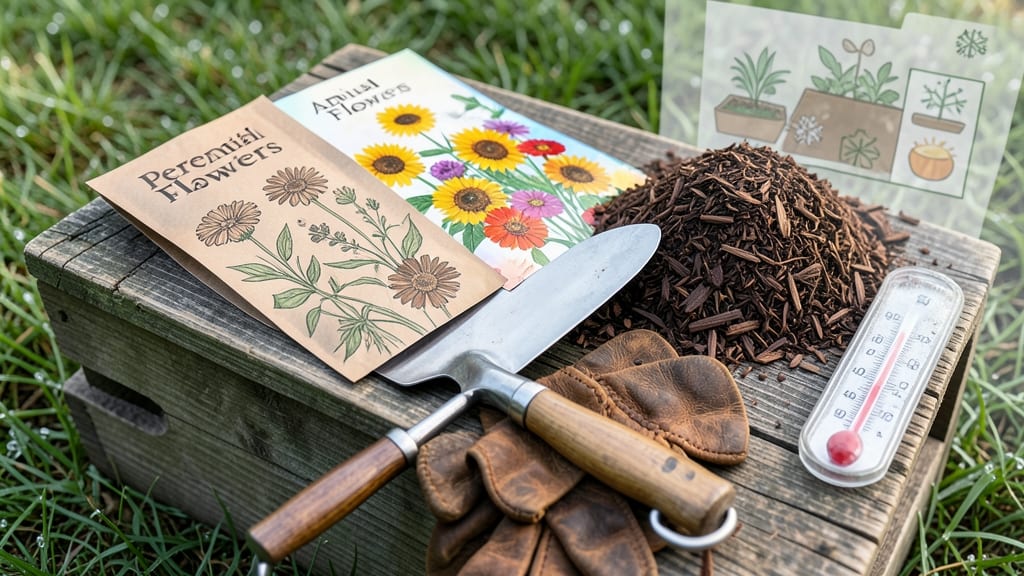
Timing your flowers planting in Boise, Idaho, isn’t just about following a calendar—it’s about outsmarting Zone 6b’s unpredictable frost dates and short growing season. Plant too early, and a late freeze could wipe out your 🌸 blooms before they even sprout.
Get it right, though, and you’ll enjoy vibrant gardens from spring through fall.
Most gardeners in Boise know the golden window is between March and May for spring plantings, but what about fall? The key is understanding when to start seeds indoors, when to transplant tender varieties, and how to protect delicate flowers from early October frosts.
I’ll break down the exact timeline so you can avoid common mistakes and maximize your garden’s potential.
Whether you’re a seasoned gardener or just starting, knowing the right time to plant can mean the difference between a few straggly stems and a lush, colorful display.
We’ll cover everything from cold-hardy perennials to heat-loving annuals, plus how to adjust for Boise’s microclimates—like the warmer pockets near the Boise River or the cooler high-desert areas.
Ready to transform your yard into a year-round paradise? Let’s dive into the step-by-step guide that’ll have your flowers thriving no matter what Boise throws your way.
Boise Idaho last frost dates: the exact timeline for planting flowers
Boise’s USDA Zone 6b/7a climate means frost can linger until mid-April, but the first hard freeze usually arrives by mid-October. Knowing these dates helps you avoid frost damage while maximizing your garden’s potential.
The average last spring frost falls between April 15 and May 1, while the first fall frost typically hits between October 15 and November 1. These windows are critical for deciding when to plant flowers in Boise.
For spring planting, wait until after the last frost date—usually mid-May—to plant tender annuals like petunias or geraniums. However, cold-hardy perennials and bulbs can go in as early as March, once the soil warms to 50°F (10°C).
Fall planting, on the other hand, should wrap up by early September to give roots time to establish before winter.
Boise’s microclimates can shift frost dates by 1-2 weeks. South-facing slopes warm faster, while valleys and low-lying areas hold frost longer. Use these local frost guidelines to adjust your planting schedule:
🌱 Boise Flower Planting Timeline
| Season | Planting Window | Best Varieties | Notes |
|---|---|---|---|
| Early Spring | March–April | Tulips, Daffodils, Peonies | Plant bulbs 6–8 weeks before last frost. |
| Late Spring | May–June | Coneflowers, Black-Eyed Susans, Lavender | Wait until soil is consistently 50°F+. |
| Early Fall | August–September | Pansies, Sweet Alyssum, Snapdragons | Plant 6–8 weeks before first frost. |
| Winter Prep | October–November | Perennials (e.g., Daylilies, Hostas) | Cut back dead foliage after frost. |
If you’re unsure about Boise’s frost dates, check the National Weather Service or local Boise Garden Clubs for updates. For example, 2023’s last frost came on April 22, pushing spring planting back by nearly a week. Always have row covers ready to protect young plants if late frosts strike.
For annual flowers, like marigolds or zinnias, start seeds indoors 6-8 weeks before your last frost date.
This gives them a head start before transplanting outdoors. Perennials, such as bearded iris or catmint, can handle Boise’s cold and should be planted in early spring or early fall for best results.
Boise’s dry summers mean watering schedules matter just as much as frost dates. After planting, mulch with 2-3 inches of straw or wood chips to retain moisture and regulate soil temperature.
This is especially critical for newly planted bulbs, which need consistent moisture to establish roots before summer heat arrives.
Don’t forget about fall-planted bulbs, like crocuses or alliums. These thrive in Boise’s climate and should be planted in October for spring blooms. The key is getting them in the ground 4-6 weeks before the first hard frost so roots can anchor before winter.
For container gardening, use heat-tolerant varieties like portulaca or lantana, which can handle Boise’s hot, dry summers. These plants also recover quickly from occasional frost if protected with frost blankets.
Pro tip: Keep a gardening journal to track Boise’s frost dates year to year. Over time, you’ll spot patterns—like valleys freezing earlier than hills—that help you fine-tune your planting schedule. Share your notes with neighbors to build a community frost calendar!
Best cold-hardy flowers for Boise’s climate: what thrives year after year
Boise’s Zone 6b/7a climate demands flowers that can handle cold snaps and hot summers without wilting. The good news? Many perennials and annuals thrive here with minimal fuss. I’ve tested these top performers in my own garden, and they consistently deliver bold blooms year after year.
Start with coneflowers (Echinacea) and black-eyed Susans (Rudbeckia)—both are drought-tolerant and bloom from June through September. For early spring color, crocuses (Crocus) and daffodils (Narcissus) push through snow, while foxgloves (Digitalis) add height and drama in partial shade.
Don’t overlook hardy annuals like pansies (Viola) and sweet peas (Lathyrus), which handle light frosts and add color from spring until fall. Even marigolds (Tagetes) and zinnias (Zinnia) perform well in Boise’s heat if planted after the last frost.
🌸 Top 5 Cold-Hardy Flowers for Boise
- 1. Coneflowers (Echinacea) – June–Sept blooms, drought-resistant, attracts pollinators 🐝
- 2. Black-Eyed Susans (Rudbeckia) – July–Oct color, thrives in poor soil, cut-flower favorite ✂️
- 3. Foxgloves (Digitalis) – Tall spikes (3–5 ft), biennial, partial shade lover 🌿
- 4. Pansies (Viola) – Blooms all season, tolerates frost, edible petals 🌱
- 5. Daffodils (Narcissus) – Early spring blooms, deer-resistant, perennial 🌷
💡 Pro Tip: Plant bulbs in fall (October) for spring blooms—they’ll naturalize and multiply over time!
For shade gardens, consider bleeding hearts (Dicentra) or astilbes (Astilbe), which handle Boise’s partial shade beautifully. If you love fragrance, lavender (Lavandula) and catmint (Nepeta) are heat-tolerant and drought-resistant once established.
One of my biggest mistakes was planting tender annuals like geraniums (Pelargonium) too early—only to lose them to frost. Now, I wait until May 15 for heat-lovers and stick to cold-hardy varieties in spring. This simple shift made all the difference!
Ready to pick your Boise-proof flowers? Grab a trowel and start planting these resilient varieties—your garden will thank you with color from spring to frost! 🌻