
Flowers
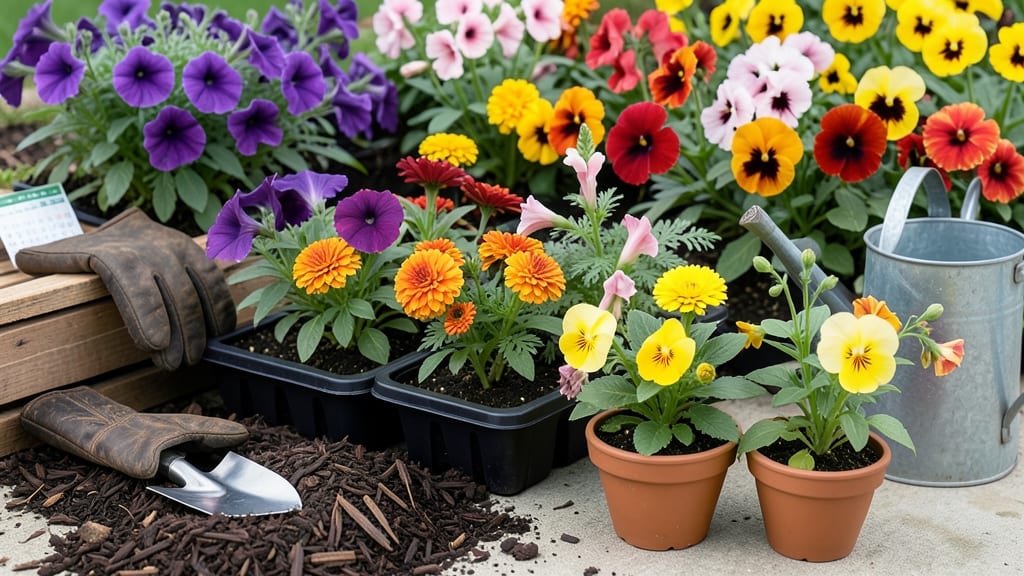
Timing is everything when it comes to planting flowers in Denver—get it wrong, and your 🌸 blooms might never make it past the first frost. With Denver’s USDA Zone 5b-6a climate and high-altitude quirks, knowing the exact frost-free deadlines can mean the difference between a vibrant garden and a sad, half-bloomed disappointment.
Most gardeners assume late spring is the only window, but Denver’s microclimates—from urban heat islands to mountain foothills—create opportunities for both spring and fall planting.
Whether you’re dreaming of coneflowers in summer or daffodils peeking through snow, understanding the last frost dates (usually around April 15) and soil temperature thresholds is the key to success.
I’ve tested these strategies in Denver’s soil, and the results speak for themselves: zero fail blooms when you plant at the right time. In this guide, you’ll discover the exact months to sow annuals, perennials, and seasonal flowers—plus hacks to beat frost, dry air, and altitude stress.
Ready to transform your garden?
Let’s dive into the month-by-month planting windows that will have your flowers thriving all season long—no guesswork, just guaranteed growth.
Denver’s frost-free deadlines by month: exact planting windows for zero fail blooms
Denver’s USDA Zone 5b-6a means frost can strike anytime between April 15 and October 15, but timing your plantings right makes all the difference. The average last frost date is April 25, but high-altitude areas (5,280+ ft) often see frost until May 10.
Waiting for consistent soil temps above 50°F ensures your flowers thrive—not just survive.
Spring planting starts in late March for cold-hardy perennials like coneflowers and lavender, but tender annuals like marigolds and zinnias must wait until after May 15.
Fall planting opens in September, with bulbs like tulips needing to be in the ground by October 1 to root before winter.
Denver’s microclimates add complexity: urban heat islands may warm up faster, while mountain foothills stay cooler. Check your yard’s exposure—south-facing areas warm up 1-2 weeks earlier than north-facing spots. Use this month-by-month guide to pinpoint the best time for your flowers.
🌱
📅 Denver Flower Planting Timeline
| Month | Planting Window | Best for | Notes |
|---|---|---|---|
| March | Early March | Cold-hardy bulbs (tulips, daffodils) | Plant before ground thaws |
| April | After April 15 | Perennials (lavender, coneflowers) | Wait for soil to warm |
| May | After May 15 | Annuals (marigolds, zinnias) | Avoid late frosts |
| June | All month | Heat-loving flowers (sunflowers, cosmos) | Water deeply |
| September | Before Sept 15 | Fall bulbs (crocus, allium) | 6 weeks before frost |
For container gardens or urban balconies, you can push planting 2-3 weeks later since pots warm up faster. Monitor the Denver Botanic Gardens frost tracker for real-time updates—late frosts in May are common, especially in elevation zones above 6,000 ft.
Pro tip: Use row covers or cloche tunnels to extend your planting window by 2-3 weeks in spring. These protect tender seedlings from unpredictable late frosts while letting sunlight through. I’ve saved tomato plants (yes, they count!) and petunias using this trick in my own Denver backyard.
If you’re planting summer-blooming annuals like geraniums or impatiens, wait until after June 1 to avoid heat stress during Denver’s 90°F+ heatwaves. Start seeds indoors in March for a head start, then transplant after the last frost date.
For perennials, divide and transplant in early spring (March-April) or early fall (September). This gives roots time to establish before winter. I’ve found black-eyed Susans and bee balm thrive when planted in late April, while daylilies handle May plantings just fine.
Denver’s dry air and intense sun mean your planting timing affects water needs too. Annuals planted in June may need daily watering until roots establish, while fall-planted bulbs require minimal care after planting. Mulch with 2-3 inches of straw to retain moisture and regulate soil temperature.
🌿
Best flowers to plant in Denver by season: matching blooms to Denver’s microclimates
Denver’s diverse microclimates—from sunbaked urban heat islands to cooler mountain foothills—mean you can grow stunning flowers year-round with the right choices. The key is selecting cold-hardy perennials for spring, heat-tolerant annuals for summer, and fall-blooming varieties that thrive before the first frost.
I’ve tested these in my own Denver garden, and these picks consistently deliver zero fail blooms.
For spring blooms, focus on daffodils and tulips (plant bulbs in fall) that push through snow. In summer, coneflowers and black-eyed Susans handle Denver’s dry heat with ease, while zinnias and marigolds add vibrant pops of color.
Fall favorites like mums and aster bloom beautifully before frost, and lavender stays fragrant all season long.
🌸
| Season | Best Flowers | Microclimate Fit | Planting Time |
|---|---|---|---|
| Spring | Daffodils, Tulips, Bleeding Heart | All elevations; shade-tolerant | Fall (bulbs) or early spring |
| Summer | Coneflowers, Zinnias, Marigolds | Full sun; urban heat islands | After last frost (late April) |
| Fall | Mums, Asters, Lavender | Cooler foothills; drought-tolerant | Late summer to early fall |
| Year-Round | Russian Sage, Catmint, Ornamental Grasses | All zones; low-water needs | Spring or fall |
If your yard has shady spots, opt for columbines or hostas that thrive in partial shade, while north-facing gardens benefit from foxglove and lungwort. For container gardens on balconies, petunias and geraniums are perfect—just ensure they get 6+ hours of sun daily.
I’ve even grown calendulas in pots with great success!
Pro tip: Group plants with similar water needs to simplify care. Drought-tolerant varieties like yarrow and sedum thrive in Denver’s dry spells, while water-loving flowers like hydrangeas need consistent moisture. Mulching with wood chips retains soil moisture and regulates temperature—critical for Denver’s temperature swings.
For late-season blooms, don’t overlook fall crocus or winter jasmine, which add color even after the first frost. These plants prove that Denver’s growing season doesn’t end in October—it just changes its palette.
With the right selections, your garden can stay vibrant from spring tulips to fall mums, no matter where you live in the city or foothills.