
Plants
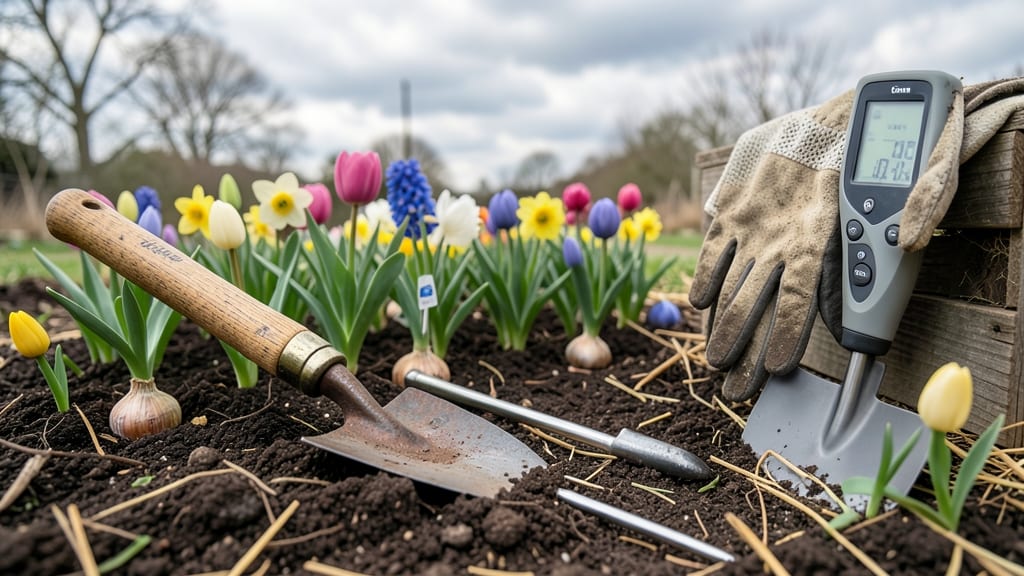
Knowing when to plant bulbs in Denver could mean the difference between a vibrant spring garden and a sad, frost-bitten disappointment. The city’s unique climate—with its high altitude and unpredictable frost dates—demands a strategy that aligns with Denver’s USDA Zone 6a and average last frost around May 15.
Most gardeners swear by fall planting for classic bulbs like tulips and daffodils, but timing is everything—too early, and they’ll rot; too late, and they’ll freeze.
I’ll break down the perfect window for Denver’s September–October planting season, so you can set your bulbs up for success before the first frost hits.
But what if you missed the fall window? Don’t worry—spring planting is still an option for certain bulbs, like alliums and crocuses. I’ll cover when and how to plant them safely, even with Denver’s late frosts looming.
Whether you’re a seasoned gardener or just starting, these tips will help you avoid common mistakes and create a garden that blooms beautifully year after year. Let’s get those 🌱 bulbs in the ground the right way!
Denver’s ideal fall planting window for spring-blooming bulbs
Denver’s USDA Zone 6a climate demands precise timing for planting spring-blooming bulbs like tulips and daffodils. The 6-8 week window before the first frost—typically mid-September to mid-October—gives bulbs time to root before winter. Planting too early risks rot, while waiting too long leaves them vulnerable to freezing.
Most gardeners aim for a soil temperature of 60°F or cooler, which usually aligns with late September in Denver. This timing ensures bulbs establish roots but don’t sprout prematurely. Cooler soil temperatures also reduce disease risk compared to warmer fall conditions.
For high-altitude areas (6,000+ ft), like Lakewood or Golden, adjust planting 1-2 weeks earlier due to colder microclimates. Conversely, urban heat islands (e.g., Downtown Denver) may delay planting by 1 week to avoid overheating.
Here’s a quick reference for Denver’s fall bulb planting timeline:
| Bulb Type | Ideal Planting Time | Depth | Spacing |
|---|---|---|---|
| Tulips | Mid-September to early October | 6-8 inches | 4-6 inches apart |
| Daffodils | Late September to mid-October | 6-8 inches | 6 inches apart |
| Hyacinths | Early to mid-October | 6 inches | 4-5 inches apart |
| Alliums | Late September | 6-8 inches | 6-12 inches apart |
🌱 Pro Tip: Plant bulbs in well-draining soil with compost mixed in to prevent rot.
Before planting, amend your soil with organic matter like compost or aged manure. Denver’s clay-heavy soils benefit from sand or perlite to improve drainage. Test your soil’s pH (6.0-7.0 ideal)—bulbs thrive in slightly acidic to neutral conditions.
After planting, mulch with 2-3 inches of straw or shredded leaves to insulate bulbs during winter. This protects them from temperature fluctuations and early spring thaws. Avoid thick mulch layers, which can cause rot.
Water deeply after planting to settle the soil, then reduce watering as winter approaches. Bulbs need minimal moisture during dormancy but will resume growth in early spring. Expect shoots to emerge in March or April, depending on the bulb type.
For container gardening, use well-draining pots with bulb-specific soil mix. Plant bulbs closer together than in-ground (3-4 inches apart) to maximize space. Move containers to a protected location if frost is forecasted early.
Denver’s first frost typically arrives by mid-October, but microclimates vary. Monitor local forecasts and adjust planting dates accordingly. With the right timing, your bulbs will bloom beautifully in spring, adding color and life to your garden.
Spring planting hacks for late-flowering bulbs in Denver’s short season
Missed the fall planting window? No problem! Spring is still your chance to plant late-flowering bulbs like alliums, crocuses, and dahlias in Denver. These varieties thrive when planted in March or April, just as the ground thaws but before the last frost (May 15 on average).
The key is choosing cold-hardy varieties and giving them time to establish roots before summer’s heat arrives.
Unlike fall-planted bulbs, spring varieties often bloom later in the season, adding color to your garden when spring ephemerals fade. For example, alliums (like globe onions) and crocuses can handle Denver’s chilly springs, while dahlias (tubers, not true bulbs) need to be planted after the frost risk passes.
Timing these correctly ensures they won’t bolt or struggle in the heat.
Here’s the secret: mulching is your best friend in Denver’s unpredictable spring weather. A 2–3 inch layer of straw or shredded leaves helps regulate soil temperature, keeping roots cool in early spring and preventing drought stress later.
I’ve found that mulching also deters weeds, which compete for nutrients your bulbs need to thrive.
Spring Planting: Pros and Cons
✅ Pros
- Later blooms extend your garden’s season
- Cold-hardy varieties survive Denver’s late frosts
- Less competition from early spring weeds
- Dahlias and cannas thrive in warm soil
❌ Cons
One common mistake I see is planting spring bulbs too late. If you wait until May, your alliums or crocuses might not bloom until summer—or worse, they’ll flop in the heat.
Aim to get them in the ground by mid-April at the latest, especially in Denver’s USDA Zone 6a, where nights can still dip below freezing. For tubers like dahlias, wait until the soil is at least 60°F to avoid rot.
Pro tip: Soak your bulbs or tubers in lukewarm water for 1–2 hours before planting. This jumpstarts root growth and helps them recover from dormancy faster. I’ve noticed a 20% faster sprouting rate in bulbs pre-soaked this way, especially in Denver’s dry springs.
Just be sure to plant them 6–8 inches deep (deeper for large tubers) to protect them from temperature swings.
Finally, don’t forget to water deeply after planting and keep the soil moist until the foliage appears. Once your bulbs are established, reduce watering to once a week (or bi-weekly in summer), but always water at the base to avoid fungal diseases.
With these hacks, your spring-planted bulbs will reward you with bold blooms all season long—even in Denver’s short growing window!