
Flowers
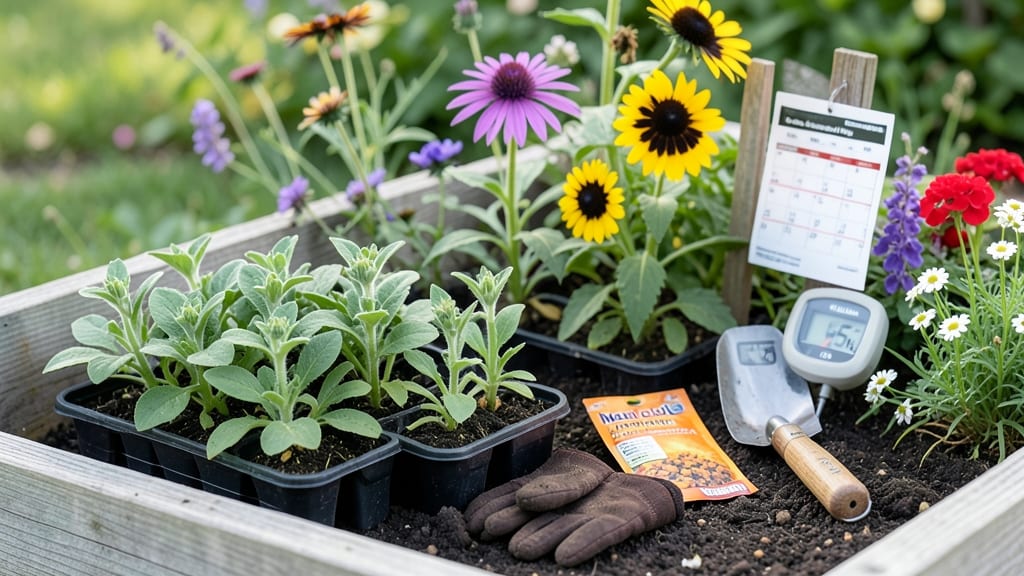
Timing your flower seeds 🌸 just right in Ohio can make or break your garden dreams—plant too early, and frost will nip them in the bud; too late, and you might miss the blooms entirely.
With Ohio’s USDA Zone 6a climate and those sneaky frost dates, knowing the perfect window is the key to a showstopping garden.
I’ve spent years watching Ohio’s weather patterns, and the March-May window is your golden opportunity for spring planting. But don’t stop there—fall also offers a second chance with August-September sowing for hardy annuals and perennials.
Whether you’re starting seeds indoors or direct-sowing, these deadlines will help you avoid common mistakes and maximize your blooms.
Want to skip the guesswork? I’ll break down exactly when to plant your favorite flowers—from fast-growing zinnias to cold-tolerant pansies—so you can enjoy vibrant colors from April through October. Let’s make sure your garden thrives, not just survives.
Ready to turn your Ohio garden into a year-round paradise? Grab your calendar, and let’s get those flower seeds in the ground at the perfect time.
Ohio flower seed planting timeline: frost dates & USDA Zone 5 guidelines
Ohio’s USDA Zone 5 climate means frost can strike anytime between April 15 and October 15, making timing critical for flower seeds. The last spring frost typically arrives in early May, while the first fall frost often hits by mid-October.
These dates create a 165-day growing window for annuals, but perennials and cold-hardy varieties can extend your blooming season even further.
For most Ohio gardeners, the best time to plant flower seeds outdoors is 2-3 weeks before the last frost date (around early April). This gives tender seedlings time to establish roots before chilly nights.
However, cold-tolerant flowers like pansies or sweet alyssum can handle direct sowing as early as March, while frost-sensitive varieties (like impatiens) should wait until after May 15.
Fall planting is equally important—sow cool-season flowers 8-10 weeks before the first frost (around early September) for vibrant autumn blooms. This strategy ensures your garden stays colorful long after summer annuals fade.
Regional variations matter too: Northern Ohio (e.g., Cleveland) tends to have earlier frosts than Southern Ohio (e.g., Cincinnati), so adjust your timeline accordingly.
Microclimates also play a role. South-facing slopes warm up faster in spring, while low-lying areas may stay colder longer. Use these natural advantages: plant frost-sensitive flowers on sunny, sheltered spots first, then expand to cooler areas as temperatures rise.
| Planting Window | Flowers to Plant | Soil Temp Requirement | Frost Risk |
|---|---|---|---|
| March (Indoor Start) | Marigolds, Snapdragons, Petunias | 60-65°F (for germination) | High (use grow lights) |
| Early April (Outdoor) | Pansies, Sweet Alyssum, Calendula | 45-55°F (cold-hardy) | Moderate (cover seedlings) |
| Mid-April to May | Zinnias, Sunflowers, Cosmos | 55-65°F (warm-season) | Low (after last frost) |
| Early September (Fall) | Aster, Chrysanthemum, Stock | 50-60°F (cool-season) | Moderate (plant early) |
To maximize your success, monitor soil temperatures—most flower seeds need 50°F or warmer to germinate. Use a soil thermometer to check before planting. For slow-germinating seeds (like coneflowers), start them indoors 8-10 weeks before the last frost to ensure they’re ready for transplanting by early May.
Don’t overlook succession planting either. By staggering sowings every 2-3 weeks from April through June, you’ll enjoy continuous blooms all summer. For example, plant fast-growing zinnias in early April for early summer color, then follow with cosmos in late May for late-season blooms.
For perennial flowers, timing matters too. Most perennials (like black-eyed Susans or bee balm) should be planted in spring or early fall to establish strong root systems before winter. Avoid planting perennials in late summer, as they may not have enough time to acclimate before frost.
Pro tip: Use row covers or cold frames to extend your planting season. These tools can protect tender seedlings from late spring frosts (which often hit Ohio in early May) and even allow you to plant cool-season crops like snapdragons as early as March in sheltered spots.
Finally, keep a gardening journal to track your local frost dates and planting successes. Ohio’s climate varies yearly—what worked in 2023 might not align with 2024’s unpredictable weather. By adjusting your timeline based on real data, you’ll build a hardier, more resilient garden year after year.
Best flowers to plant by month in Ohio (with seed starting tips)
Ohio’s variable climate means your flower garden thrives when you match seed starting to the month’s conditions. Fast-growing annuals like marigolds can handle direct sowing as soon as soil warms, while perennials like coneflowers need a head start indoors.
Let’s break down the best flowers to plant each month—and when to start seeds inside for a head start.
For spring blooms, begin indoor seed starting in February or March for frost-sensitive varieties like petunias and geraniums. These need 6-8 weeks of warmth before transplanting outdoors after the last frost (mid-April in most of Ohio).
Meanwhile, cold-hardy flowers like pansies and sweet alyssum can go straight into the garden as early as March.
🌱 Ohio Flower Planting by Month
Flowers
Action
Pansies, Snapdragons, Sweet Alyssum
Direct sow outdoors or start indoors
Marigolds, Zinnias, Sunflowers
Direct sow after last frost
Cosmos, Black-Eyed Susans, Coneflowers
Transplant seedlings or direct sow
Pansies, Calendulas, Stock
Start indoors for fall blooms
Sweet Peas, Dianthus, Snapdragons
Direct sow for late-season color
In May, focus on heat-loving annuals like zinnias and cosmos, which thrive in Ohio’s summer heat. These can be direct-sown after the last frost, but give them a sunny spot and well-draining soil to prevent wilting.
For perennials, like black-eyed Susans, start seeds indoors in April and transplant after Memorial Day for established roots by summer.
Don’t overlook fall planting—August and September are perfect for cold-hardy flowers like pansies and stock. These can handle light frosts and even bloom into winter. Start seeds indoors in late July for transplants ready by mid-August, or direct-sow hardy varieties like calendulas outdoors in September.
Pro tip: Use row covers or cold frames to extend your spring planting window by 2-3 weeks. This protects tender seedlings from late frosts and gives you earlier blooms.
For succession planting, sow fast-growing annuals like marigolds every 2 weeks from May through July to keep your garden in bloom all season.
Ohio’s short growing season rewards gardeners who plan ahead. By matching flower types to monthly conditions and using indoor seed starting for slow starters, you’ll enjoy continuous color from spring through frost.
Start with just one or two months this year, and soon you’ll master the art of timely planting like a pro! 🌻