
Flowers
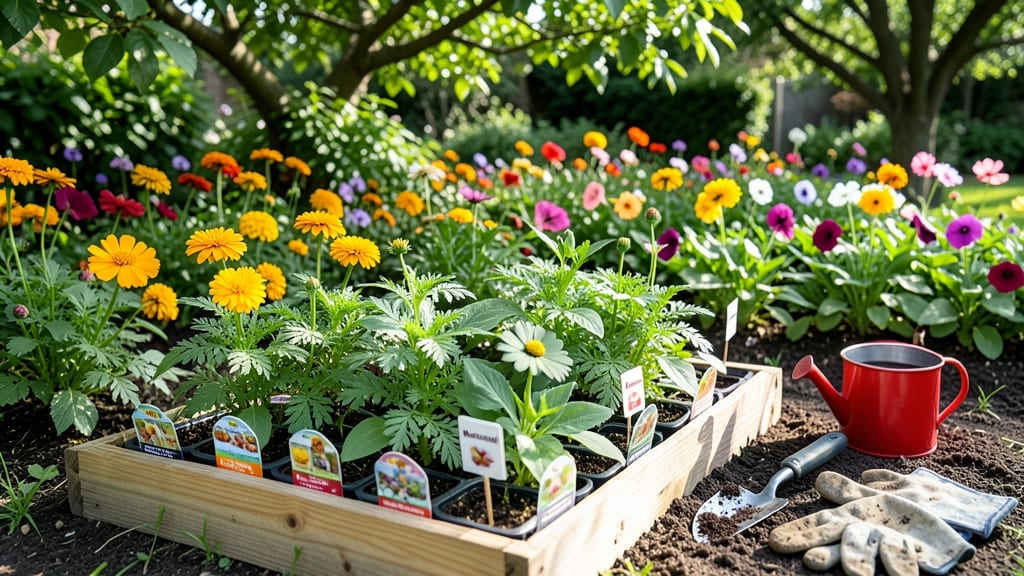
Timing your flower seed planting in Massachusetts can mean the difference between a garden bursting with color and a sad, frost-nipped disappointment. If you’ve ever watched your hard work vanish overnight after a late frost, you know how frustrating it can be—but there’s a smarter way to plan.
Massachusetts gardeners face unique challenges, from coastal breezes that delay frost to inland areas where cold snaps hit earlier. The key isn’t just following a generic calendar; it’s understanding your specific zone and microclimate.
Whether you’re in Boston’s urban heat pockets or the cooler hills of Worcester, knowing when to start seeds indoors or sow directly outside makes all the difference.
I’ve spent years testing planting schedules across the state, and what I’m about to share will help you avoid common mistakes. We’ll break down the exact frost dates by region, the best flowers to plant each month, and how to use a frost-date calculator to plan like a pro.
No more guessing—just vibrant blooms from spring to fall.
Ready to transform your garden? Let’s dive into the step-by-step strategy that’ll give you the confidence to plant at the perfect moment, every single time. Your future garden is waiting—and it starts with the right timing.
Massachusetts frost dates by region: the exact timeline for planting flower seeds
Massachusetts’ diverse microclimates mean your last frost date could vary by 2-3 weeks depending on where you live.
Whether you're in Boston’s coastal zone, the Worcester Valley, or Cape Cod’s windy shores, knowing your exact frost dates is the key to planting flower seeds at the perfect time.
For most of the state, the average last frost date falls between May 10-25, but inland areas like Springfield can run a week later.
Why does this matter? Planting too early risks frost damage to tender seedlings, while planting too late means missing the peak bloom season. The solution? Use USDA Zone 5-6 guidelines as your baseline, then adjust for your specific region.
For example, coastal areas like Provincetown often warm up faster than Pittsfield in the Berkshires. I’ll break down the exact frost dates by region so you can plan your flower seed schedule like a pro.
🌱 Pro Tip: Bookmark the National Weather Service’s frost date maps or use the Almanac’s Frost Calculator for real-time updates. These tools account for year-to-year variations that can shift planting windows by weeks.
🌡️ Massachusetts Frost Dates by Region
| Region | Avg. Last Frost Date | Avg. First Frost Date | Seed-Starting Window (Indoors) | Outdoor Planting Window |
|---|---|---|---|---|
| Boston & Eastern MA | May 10–15 | October 10–15 | March 1–15 | May 20–June 1 |
| Worcester & Central MA | May 15–20 | October 15–20 | March 15–April 1 | May 25–June 5 |
| Springfield & Western MA | May 20–25 | October 20–25 | March 20–April 5 | June 1–10 |
| Cape Cod & Islands | May 5–10 | October 5–10 | February 25–March 10 | May 15–25 |
*Dates based on 30-year averages; adjust 1–2 weeks earlier/later for early/late years.
Now that you know your local frost dates, let’s talk seed-starting windows. For annual flowers like marigolds or zinnias, I recommend starting seeds 6-8 weeks before your last frost date.
This gives them enough time to grow into hardy seedlings before facing outdoor conditions. For example, if your last frost is May 15, start seeds around March 15–20.
But what if you’re planting perennials like black-eyed Susans or coneflowers? These can handle cooler soil, so you can sow them directly outdoors 2-4 weeks before your last frost date. Just
One common mistake I see is ignoring microclimates within regions. For instance, a south-facing slope in Worcester might warm up 10 days earlier than a north-facing garden in the same city. Pay attention to sun exposure and wind patterns—these can shift your planting window by weeks. If you’re unsure, err on the side of waiting a few days to plant outdoors until you’re confident the risk of frost has passed.
For coastal gardeners, another factor to consider is salt spray and wind exposure. Areas like Provincetown or Chatham can experience delayed warming due to ocean breezes. If you’re in these zones
Best flower seeds to plant by month in Massachusetts (with frost-proofing tips)
Massachusetts’ variable climate means some years feel like Zone 5, others like Zone 6. But with the right monthly planting schedule, you can beat frost and enjoy nonstop blooms.
Start by choosing cold-hardy varieties like pansies or snapdragons for early spring, then transition to heat-lovers like marigolds and zinnias by June.
For coastal areas (e.g., Cape Cod), plant 2-3 weeks earlier than inland zones—warmer ocean breezes delay frost. Inland regions like Worcester or Springfield should wait until mid-May for most annuals. Always check your local frost dates (more on that in Section 3) to fine-tune timing.
Pro tip: Fall planting works too! Sow calendulas or stock in August-September for early spring blooms. Just avoid late-September plantings—they’ll bolt before winter. Mulch heavily after frost to protect roots.
For frost-prone weeks, use black plastic mulch or straw bales to warm soil by 10°F. And always water deeply before hard freezes—hydrated plants survive better. With these monthly milestones, your garden will bloom like a professional’s! 🌻