
Flowers
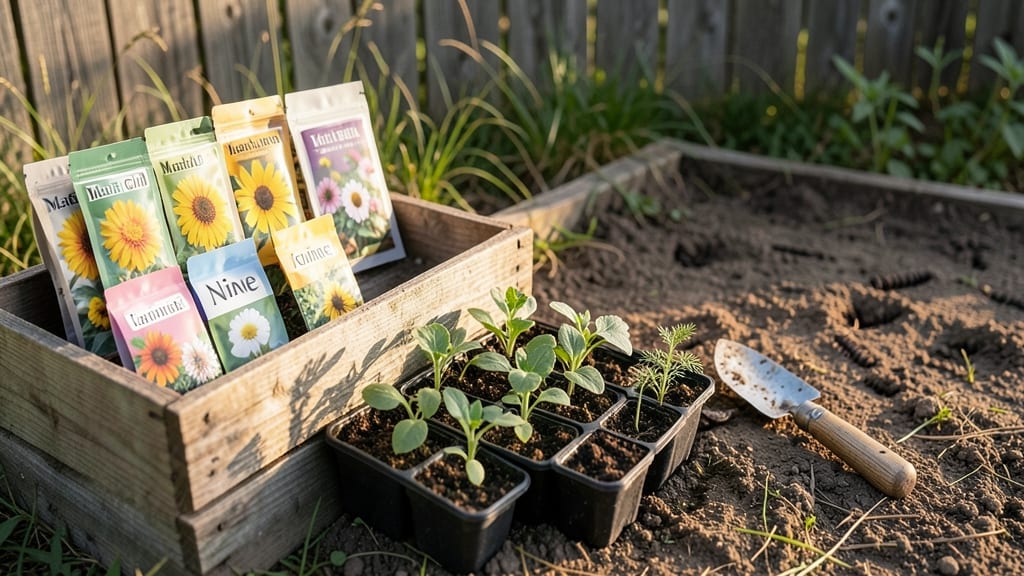
Timing your flower seed planting in Kansas can mean the difference between a garden bursting with color and one that struggles to take root.
With Kansas' unique USDA Zone 5b climate, getting those seeds in the ground at just the right moment is the key to success—especially when frost dates can shift unpredictably.
I’ve seen firsthand how a few weeks can change everything—plant too early, and a late frost will wipe out your tender seedlings. Too late, and you’ll miss the summer blooms you’ve been dreaming of.
The good news? Mastering these windows gives you vibrant gardens year after year, whether you’re growing sun-loving zinnias or hardy coneflowers.
What you’ll discover here is a month-by-month breakdown tailored to Kansas’ climate, including when to start seeds indoors, direct-sow outdoors, and which flowers thrive in early spring versus late summer. Plus, I’ll share pro tips to avoid common mistakes that even experienced gardeners make.
Let’s dive into the exact deadlines and strategies to ensure your flower seeds 🌱 grow strong, bloom beautifully, and keep your garden looking its best from spring through fall.
Kansas flower seed planting calendar by month: USDA Zone 5b deadlines
Kansas’ USDA Zone 5b climate means last frost dates typically arrive between April 15–May 1, while the first frost often hits October 15–November 1. These dates create a 150–180-day growing season, perfect for planning your flower seed schedule.
Missing these windows can mean wilted seedlings or missed summer blooms, so let’s break it down month by month.
For cool-season flowers like pansies and snapdragons, start seeds indoors 6–8 weeks before last frost (late February to early March). These hardy varieties tolerate light frosts and even slight snow, making them ideal for early spring or fall planting.
Meanwhile, warm-season favorites like zinnias and marigolds need soil temperatures above 60°F to germinate, so wait until after May 10 for direct sowing.
Here’s your Kansas flower seed planting calendar, tailored to maximize blooms and avoid frost damage:
| Month | Ideal Planting Window | Flowers to Plant | Notes |
|---|---|---|---|
| February | Indoors (6–8 weeks before last frost) | Pansies, Snapdragons, Calendula | Start seeds early for spring blooms; use grow lights if natural light is limited. |
| March | Outdoors (after last frost risk) or indoors (transplant later) | Sweet Alyssum, Larkspur, Dianthus | Hardy annuals; mulch to protect from late frosts. |
| April | Direct sow after soil warms to 50°F | Cosmos, Bachelor’s Buttons, Nasturtiums | Drought-tolerant; ideal for Kansas’ dry spells. |
| May | Direct sow after May 10 (soil >60°F) | Zinnias, Marigolds, Sunflowers | Full sun lovers; water deeply after planting. |
| June–July | Succession plant every 2–3 weeks | Pentas, Celosia, Portulaca | Heat-loving; extend blooms into fall. |
| August–September | Direct sow for fall blooms (6–8 weeks before first frost) | Sweet Peas, Stock, Calendula | Cool-season flowers; protect from early frosts with row covers. |
Pro tip: Use Kansas State University’s frost date maps to adjust for your specific location—some areas in western Kansas may have earlier last frosts than eastern regions. For perennials, like coneflowers or black-eyed Susans, sow seeds in late summer (August) for stronger root establishment before winter.
Always check seed packet instructions for specific varieties, as some, like lupines, prefer cool fall planting. Overcrowding seedlings is another common mistake—thin seedlings to 12–18 inches apart once they’re 2–3 inches tall to prevent competition. Mulching with straw or shredded leaves helps retain moisture and regulate soil temperature.
For container gardens, start seeds indoors in late March and transplant after last frost. Containers warm up faster, so monitor soil moisture closely—daily watering may be needed during Kansas’ hot, dry summers. Use a lightweight potting mix with added perlite to improve drainage and prevent root rot.
Remember, fall planting isn’t just for veggies—many flowers thrive with cool-season care. Try snapdragons or stock in late summer for early spring blooms. Just be sure to cover seedlings if an unexpected frost threatens. With this calendar, you’ll enjoy nonstop color from spring to frost!
🌱
Best early vs late-season flowers for Kansas gardens: what to plant when
Choosing the right flowers for your Kansas garden depends on their bloom seasons and temperature tolerance. Cool-season flowers thrive in spring and fall, while heat-loving varieties shine in summer’s peak heat. Mixing both ensures year-round color and minimizes gaps between blooms.
For early spring (March–April), opt for cold-hardy annuals like pansies and snapdragons. These handle light frosts and bloom even when soil is still chilly. By contrast, late-season flowers like cosmos and zinnias thrive in summer heat (June–August) and keep blooming until frost.
🌱 Pro Tip: Extend your blooms by planting succession crops—sow marigolds in early summer for fall color, then replace them with pansies in September for winter interest.
Early-Season Flowers (Cool Weather)
- Cold tolerance (survive 28°F+)
- Early blooms (March–May)
- Low-maintenance for spring gardens
- May bolt in heat (60°F+)
- Limited summer color
- Some varieties attract pests (e.g., aphids)
Late-Season Flowers (Heat Lovers)
- Drought-tolerant (thrive in 90°F+)
- Long bloom cycles (June–October)
- Attract pollinators (bees, butterflies)
- Need full sun (6+ hours daily)
- Some require staking (e.g., sunflowers)
- May stop blooming in extreme heat
Pair cool-season favorites like calendulas and stock with heat-loving stars such as black-eyed Susans and lantana. This combo ensures your garden stays bursting with color from March through October, even during Kansas’ unpredictable weather swings.
🌿 Example Planting Plan:
- March–April: Sow pansies and snapdragons for spring blooms.
- May–June: Direct-sow zinnias and cosmos for summer.
- July–August: Succession-plant marigolds for fall color.
🌻 Local Tip: Check Kansas State University Extension for region-specific varieties that thrive in your microclimate. For instance, coneflowers are native perennials that handle Kansas’ dry spells and heavy rains with ease.