
Plants
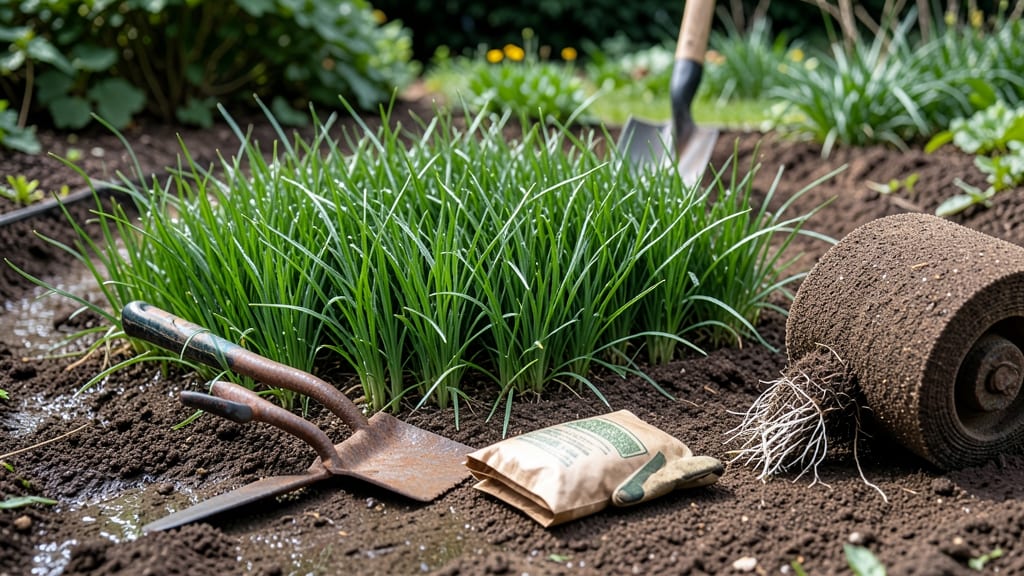
If you're dreaming of a lush, green lawn that survives South Carolina's brutal summers and humid winters, timing your 🌱 fescue planting is absolutely critical. Planting too early means battling summer's scorching heat, while waiting too long risks weak growth before winter sets in.
The secret to a thriving lawn lies in understanding your local climate zones and soil conditions.
Most South Carolina gardeners agree that late summer to early fall—August through October—is the sweet spot for planting fescue. This window gives your grass roots time to establish before winter's chill arrives, setting the stage for a resilient lawn that thrives year-round.
But with coastal humidity and Piedmont heat to consider, getting the timing just right makes all the difference.
I've helped countless neighbors in USDA zones 7b-8a transform their patchy lawns into vibrant fescue carpets by following these proven strategies. You'll discover how to check soil temperatures, adjust for your specific microclimate, and avoid common mistakes that sabotage new grass. Let's get your lawn growing strong from day one.
The best part? Once established, fescue handles South Carolina's heat and drought like a champ. With the right planting window and a few simple care tips, you'll have a lawn that stays green when others turn brown. Ready to learn the exact steps that work in our state's climate?
Best months to plant fescue in South Carolina for maximum success
South Carolina’s humid subtropical climate makes timing critical for fescue success. The ideal window spans late summer to early fall (August through October), when soil temperatures drop below 85°F but stay above 60°F. This balance reduces heat stress while allowing seeds to germinate before winter dormancy.
Coastal regions (like Charleston) may extend planting slightly later due to milder microclimates, but Piedmont areas (e.g., Greenville) should aim for September planting to avoid early frosts.
Fescue thrives in SC’s USDA Zones 7b–8a, where fall planting aligns with natural rainfall patterns. September is my top recommendation—cooler temps and higher humidity create perfect germination conditions.
Seeds sown in late October may struggle to establish roots before first frost dates (typically mid-November), while August planting risks summer drought stress if rainfall is scarce. Always check your local frost calendar—planting 4–6 weeks before frost ensures strong root development.
For those considering spring planting, late February to early March works, but germination is slower due to warmer soil and competition from weeds. Spring-sown fescue often requires extra watering to outpace broadleaf weeds and crabgrass.
If you miss fall, early spring is your second-best option—but don’t wait past March, or you’ll face summer heatwaves before roots establish.
🌱 Pro Tip: Use a soil thermometer—fescue seeds need soil temps between 60–75°F for optimal germination. Coastal SC soils often stay warmer longer, so plant 2–3 weeks later than inland areas to avoid heat shock.
In the Upstate, where nights cool faster, late August is ideal to capitalize on fall rains without frost risk.
🌱 Fescue Planting Timeline for South Carolina
| 📅 Month | 🌡️ Soil Temp (°F) | 💧 Rainfall (in) | ✅ Best For |
|---|---|---|---|
| June | 80–90°F | 4–6 in | Risky—high heat, drought stress |
| July | 85–95°F | 5–7 in | Possible with daily watering |
| August | 80–88°F | 6–8 in | Ideal—cooler evenings |
| September | 70–78°F | 5–7 in | Best choice—optimal temps |
| October | 60–70°F | 3–5 in | Good if planted 6+ weeks before frost |
🌧️ Note: SC’s coastal regions get 1–2 extra weeks of planting time due to milder winters.
Fescue’s drought tolerance is a game-changer for SC’s variable rainfall. Once established, it survives on 1 inch of water per week—but new seedlings need daily moisture for the first 2–3 weeks post-planting.
In dry summers (like 2020), August planting benefited from tropical storm moisture, while September plantings in 2022 thrived thanks to hurricane-season rains. Always monitor your lawn—if soil feels dry 1 inch below the surface, water deeply.
Variety matters in SC’s climate. Tall fescue (e.g., Kentucky 31) handles full sun and heat, while fine fescue (e.g., Creeping Red) excels in shade and cooler microclimates. For coastal yards, mix salt-tolerant varieties like SeaDwarf to combat salty air near the shore. Test your soil’s pH (6.0–7.0)—SC’s clay-heavy soils often need lime or sulfur to optimize germination. A simple DIY pH test kit (available at garden centers) costs $10 and saves weeks of frustration.
🌿 Key Takeaway: Plant fescue in late August–September for 90% success rates in SC. Avoid June–July unless you’re prepared for daily watering and fungal risks from humidity. For coastal gardens, extend planting to early October; for the Upstate, wrap up by mid-September.
With the right timing, your fescue will outperform bermuda grass in shade and outlast zoysia in drought—giving you a lush, low-maintenance lawn year-round.
How to prepare your South Carolina lawn for fescue planting: soil, climate, and care tips
Before you even think about planting fescue seeds, your South Carolina lawn needs proper prep. The key is understanding your local soil conditions—whether you're dealing with sandy coastal soil or clay-heavy Piedmont earth. Most SC soils test between pH 5.5–6.5, but fescue thrives at 6.0–7.0.
I recommend testing your soil with a simple home test kit ($10 at garden centers) or sending a sample to Clemson University's Extension Service for professional analysis.
If your soil is too acidic (below 6.0), add pelletized lime 4–6 weeks before planting. For alkaline soils (above 7.0), mix in sulfur or peat moss.
My neighbor in Charleston had clay-heavy soil that compacted easily—he improved drainage by tilling in 3 inches of compost and sand before planting, which made all the difference for his fescue's root development.
South Carolina's summer heat can fry new fescue seeds. Always check soil temperature with a soil thermometer—plant only when temps stay below 80°F during the day.
Coastal areas (like Myrtle Beach) may need to wait until late September, while inland zones (like Columbia) can start as early as mid-August.
Choose the right fescue variety for your yard's conditions. Tall fescue handles full sun and drought, while fine fescue thrives in shady spots. For South Carolina's heat, I swear by 'Kentucky 31' tall fescue—it's tough, drought-resistant, and spreads quickly.
If your lawn gets less than 4 hours of sun daily, opt for 'Creeping Red' fescue, which tolerates partial shade beautifully.
Clear your lawn of debris and aerate 2–4 weeks before planting to improve seed-to-soil contact. Use a core aerator to pull 3–4 inch plugs from the soil—this helps roots penetrate deeper.
After aerating, spread 1/2 inch of starter fertilizer (high in phosphorus) and top with a thin layer of compost. This gives your fescue a nutrient boost right when it needs it most.
Watering is critical during the first 30 days after planting. Keep soil consistently moist (not soggy) by watering lightly twice daily—morning and late afternoon. Once seedlings sprout, gradually reduce to 1 inch per week, always watering deeply but infrequently to encourage deep root growth.
Avoid evening watering to prevent fungal diseases like brown patch, which thrives in SC's humid nights.
Pro tip: Use a lightweight straw mulch (not hay) to protect seeds from bird damage and retain moisture. Spread it 1/8 inch thick—any thicker and it'll block sunlight. I've seen too many new lawns fail because birds pecked up all the seeds before germination.
A simple chicken wire barrier over seed beds works too until sprouts reach 2 inches tall.