
Plants
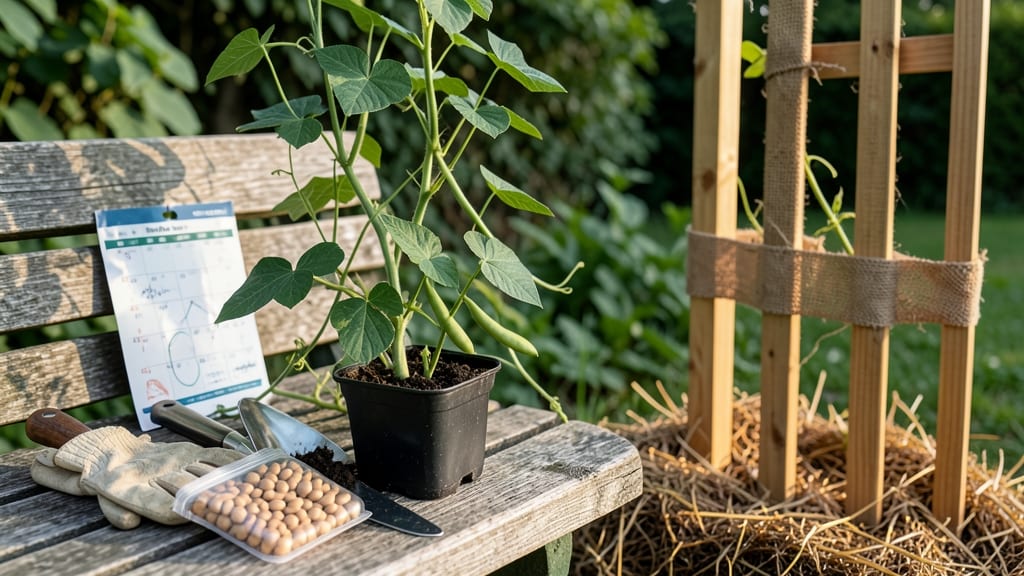
Timing your Butter Bean 🌱 planting in North Carolina can make or break your harvest—especially when frost dates and soil temperatures play such a big role. Plant too soon, and chilly nights will stall growth; too late, and you’ll miss the sweet spot for tender pods.
The key is knowing exactly when to get those seeds in the ground for a bumper crop from July through September.
For NC gardeners in zones 7a-8b, the perfect window opens between April 15 and June 15, right after the last frost—typically around March 15 in most regions. But don’t just guess: soil needs to hit at least 60°F for seeds to germinate properly.
I’ll break down the exact steps to time your planting for maximum yield, whether you’re sowing directly or starting indoors.
You’ll also discover how to adjust for your specific corner of the state—Coastal areas can plant earlier, while the Mountains may need to wait until late May. Plus, I’ll share my top tips for extending your harvest season with succession planting and companion plants that keep pests at bay.
Let’s get those Butter Beans growing strong!
Ready to avoid common mistakes like planting too deep or ignoring soil pH? I’ll walk you through everything—from variety selection (like Fordhook or Contender) to when to fertilize for the best results.
By the end, you’ll have a foolproof plan to turn your NC garden into a Butter Bean bonanza.
North Carolina butter bean planting calendar: frost dates & soil temperature guide
North Carolina’s diverse climate—from the Coastal Plains to the Mountain regions—means frost dates and soil warmth vary dramatically. Butter beans thrive when soil reaches 60°F+, so timing your planting around these shifts is critical.
In USDA zones 7a-8b, your last frost typically falls between mid-March (Coastal) and late April (Mountains), but don’t rush—wait for consistent warmth.
For maximum yields, aim to plant butter beans between April 15 and June 15, aligning with NC’s 200 frost-free days. Early plantings in March risk frost damage, while late June sowings may produce smaller harvests before fall’s first chill.
Regional adjustments are key: Coastal gardeners can start as early as mid-March, while Mountain growers should wait until late April.
| Region | Last Frost Date | Ideal Planting Window | Soil Temp Threshold | Harvest Window |
|---|---|---|---|---|
| Coastal Plains | Mid-March | March 15–April 30 | 60°F+ | June–August |
| Piedmont | Early April | April 15–May 15 | 60°F+ | July–September |
| Mountains | Late April | April 30–June 15 | 60°F+ | July–August |
Use a soil thermometer to confirm warmth—plant only when readings hit 60°F for 3+ days. Coastal areas often hit this mark by mid-March, while Mountain regions may wait until early June.
For direct sowing, scatter seeds 1 inch deep in rows 18–24 inches apart, thinning seedlings to 4–6 inches apart once they’re 2 inches tall.
Pro tip: Check NC State Extension’s frost date maps for your county—some inland Piedmont areas can have 2-week later frost dates than coastal zones. For example, Raleigh averages last frost on March 25, while Asheville waits until April 15.
Planting too early risks blackened leaves from nighttime chills, while late plantings may yield smaller pods before frost.
Butter beans are warm-season crops, so avoid planting before your area’s average last frost. If you’re eager to start early, opt for ‘Fordhook’ or ‘Contender’ varieties—they tolerate cooler soils better than heirloom types.
Always test soil pH (aim for 6.0–6.8) and amend with compost to improve drainage, especially in clay-heavy Mountain soils.
For container growing, use 5-gallon pots with well-draining mix and plant 2–3 seeds per container. Containers warm up faster than garden beds, so you can start 2–3 weeks earlier than in-ground plantings.
Just ensure pots get full sun (6+ hours) and water daily during dry spells—containers dry out 3x faster than soil.
Avoid planting butter beans where legumes grew last year to prevent soil-borne diseases like root rot. Instead, rotate with tomatoes, peppers, or brassicas, which share few pests. If space is tight, use companion planting with marigolds (repel bean beetles) or basil (boosts flavor and deters flies).
Monitor your plants for yellowing leaves—a sign of overwatering or nutrient deficiency. Butter beans need 1–2 inches of water weekly, but morning watering prevents fungal issues.
If pods start curling or browning, it’s often a sign of underwatering or heat stress during NC’s July humidity spikes.
Plan for a second planting in early July to extend harvests into September.
North Carolina butter bean planting calendar: frost dates & soil temperature guide
North Carolina’s diverse climate means your butter bean 🌱 planting timeline depends heavily on your region. Coastal areas like Wilmington can start as early as March 15, while the Mountain regions near Asheville should wait until May 1 to avoid frost damage.
The golden rule? Plant when soil temperatures consistently hit 60°F+—this ensures strong germination and rapid growth.
For most of NC (zones 7a-8b), aim for April 15 to June 15—this window captures the sweet spot after the last frost (March 15 average) and before summer heat peaks.
Miss this window, and you risk stunted plants or missed harvests, since butter beans need 60-80 days to mature.
Here’s your region-specific planting calendar with frost-free dates and soil temperature thresholds:
| Region | Last Frost Date | Ideal Planting Window | Soil Temp Threshold | Harvest Window |
|---|---|---|---|---|
| Coastal (e.g., Wilmington) | March 1-15 | March 15 - April 30 | 60°F+ | June - August |
| Piedmont (e.g., Raleigh) | March 15-30 | April 15 - May 31 | 60°F+ | July - September |
| Mountains (e.g., Asheville) | April 15-30 | May 1 - June 15 | 60°F+ | July - August |
Pro tip: Use a soil thermometer 🌡️ to confirm temperatures—especially in cooler microclimates. If your soil is below 60°F, wait 1-2 weeks or use black plastic mulch to warm it faster. I’ve seen gardeners rush planting in early April only to watch their seeds rot in cold soil.
For direct sowing (the easiest method for NC), scatter seeds 1 inch deep and 4-6 inches apart in rows spaced 18-24 inches apart. Thin seedlings to 3-4 inches apart once they’re 2 inches tall.
If you’re starting indoors (4-6 weeks before last frost), use small pots and transplant seedlings after soil warms.
Remember: Butter beans thrive in full sun (6-8 hours daily) and well-draining soil with pH 6.0-6.8. Test your soil now—amending with compost or aged manure can give your plants a head start. With the right timing, you’ll be picking tender pods by mid-summer 🌿!