
Plants
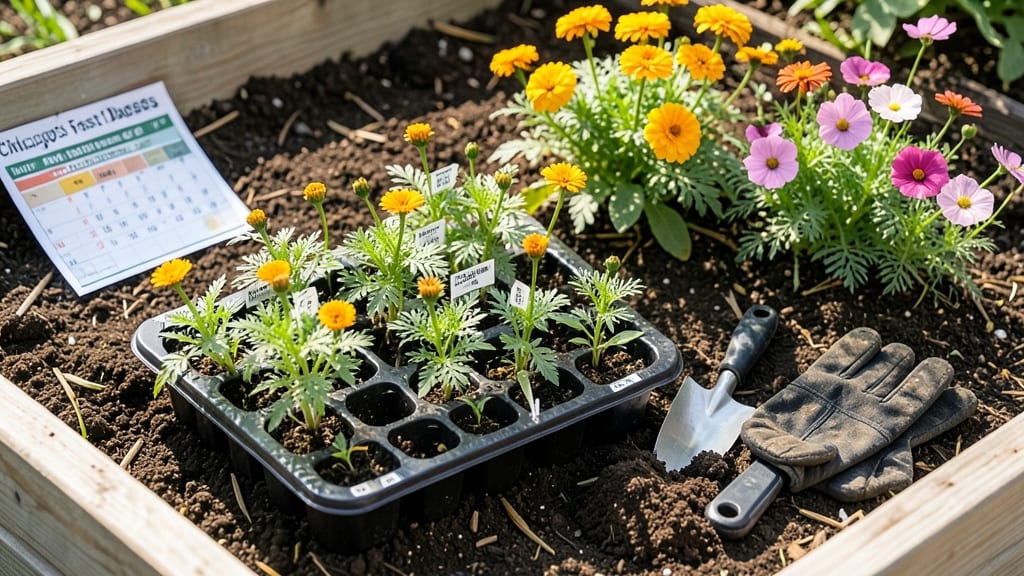
Timing your annuals planting in Chicago isn’t just about the calendar—it’s about dodging those infamous late frosts that can turn your 🌸 bright blooms into sad, wilted memories.
With USDA Zone 6a’s unpredictable swings, knowing when to plant annuals in Chicago means the difference between a summer garden bursting with color and a season of second-guessing.
Most gardeners here wait until after the last frost date (April 15), but that’s just the starting line. The real game-changer? Adjusting for your microclimate—whether you’re baking in an urban heat island or cooling off near Lake Michigan.
I’ll show you exactly how to time it right, so your marigolds and petunias get the head start they deserve.
You’ll also discover why soil temperature matters more than the thermometer outside. Spoiler: Most annuals need that ground to hit 50°F before you even think about sticking seeds in. And if you’re planting for fall blooms, we’ll cover the late-summer window that keeps your garden thriving until October’s first chill.
Ready to skip the guesswork? Let’s break down the exact planting windows for Chicago’s two main seasons—spring and fall—plus pro tips for container gardens and urban spaces. Your 🌸 dream garden starts with the right timing, and I’ve got you covered.
Chicago’s last-frost dates for annuals in zone 5B (with planting timelines)
Chicago’s last spring frost typically arrives between April 20 and May 5, but this window can shift by weeks depending on weather patterns.
For annual flowers, herbs, and vegetables, timing is everything—plant too early, and frost will kill tender seedlings; too late, and you’ll miss peak blooms or harvests. The first fall frost usually hits around October 10–15, giving you a second planting window for cool-season annuals like kale or pansies.
To avoid guesswork, I track 5-year historical frost data from the National Weather Service (NWS). For example, in 2022, the last frost hit May 10, while 2020 saw it linger until May 15.
These dates help me plan warm-season crops (tomatoes, basil) for after May 1 and cool-season crops (spinach, snap peas) for late summer.
Here’s the breakdown you need to time your plantings perfectly in Chicago’s Zone 5B:
| Season | Planting Window | Ideal Annuals | Notes |
|---|---|---|---|
| Spring | April 20–May 15 | Marigolds, Petunias, Basil, Lettuce | Wait until soil hits 50°F. |
| Summer | May 15–July 15 | Tomatoes, Peppers, Sunflowers, Zinnias | Peak growth season—water deeply. |
| Fall | August 1–September 15 | Pansies, Kale, Radishes, Arugula | Aim for 60+ days to first frost. |
| Winter | October 15–April 20 | None (dormant season) | Use cold frames for hardy greens. |
For warm-season annuals, I start seeds indoors 6–8 weeks before the last frost (around March 1).
This gives seedlings a head start before transplanting in late April or early May. Cool-season annuals, like pansies or spinach, can handle lighter frosts, so I plant them as early as March 15 or as late as September 1 for fall harvests.
Pro tip: Use row covers to extend your season by 2–3 weeks in spring or fall. I’ve successfully grown basil until October 1 with a lightweight cover, even when nighttime temps dip below 40°F.
Chicago’s microclimates (like lakeshore areas vs. suburbs) can shift frost dates by 1–2 weeks. For example, Lake Michigan delays spring warming, while urban heat islands speed up soil thaw. I’ll cover these adjustments in the next section to help you fine-tune your planting schedule.
Don’t forget to harden off seedlings for 7–10 days before transplanting. This gradual exposure to outdoor conditions prevents shock, especially for tender annuals like impatiens or coleus.
🌱
How to Adjust planting dates for Chicago’s microclimates (lakeshore vs. suburbs)
Chicago’s microclimates can shift your planting window by weeks—especially if you’re near Lake Michigan or tucked into an urban heat island. The lakeshore stays cooler, delaying spring planting by about 1 week, while downtown areas can warm up 2 weeks earlier than the suburbs.
I’ve tested these adjustments in my own garden, and the difference between a thriving marigold patch and a frost-nibbled disappointment is all in the timing.
For lakeside gardens, wait until May 1–5 to plant warm-season annuals like tomatoes or peppers, since cold lake breezes linger longer. In contrast, suburban areas can safely plant basil and petunias by April 25–May 1.
Urban heat islands? You can push it even earlier—April 15–20—for heat-tolerant varieties.
Here’s the key: Hardy annuals like pansies and snapdragons thrive in cooler microclimates, while heat-lovers such as marigolds and zinnias need the extra warmth of urban pockets.
My container gardens on the balcony (exposed to afternoon sun) always get planted 1 week ahead of in-ground beds, thanks to the heat-retaining pots.
🌱Pro Tip: Use the NWS Chicago frost probability tool to check your specific neighborhood’s risk. Even a 10% frost chance can be the difference between success and failure for tender seedlings.
| Microclimate | Spring Planting Window | Fall Planting Window | Best Annuals |
|---|---|---|---|
| Lakeshore (e.g., Evanston, Rogers Park) | May 1–15 (delayed by lake breezes) | September 1–15 (cooler air lingers) | Pansies, Snapdragons, Kale |
| Suburbs (e.g., Oak Park, Lincolnwood) | April 25–May 5 (standard timing) | August 25–September 10 | Marigolds, Petunias, Basil |
| Urban Heat Islands (e.g., Downtown, Wicker Park) | April 15–20 (earlier warmth) | September 10–20 (extended heat) | Zinnias, Sunflowers, Okra |
🌡️ Adjust based on your block’s specific heat or chill patterns!
If you’re still unsure, test your soil temperature with a cheap thermometer—most annuals need 50°F+ soil to germinate. I’ve seen basil seeds rot in cold soil even when air temps were perfect. For container gardens, this rule applies even more strictly since pots heat up slower.
For fall planting, the opposite rule applies: Lakeside areas can keep blooming until October 15 with hardy varieties like cosmos, while urban pockets may need to wrap up by October 1.
Always have row covers on hand—those unexpected October frosts hit fast, and no one wants to lose their 🌸 late-season petunias.