
Plants
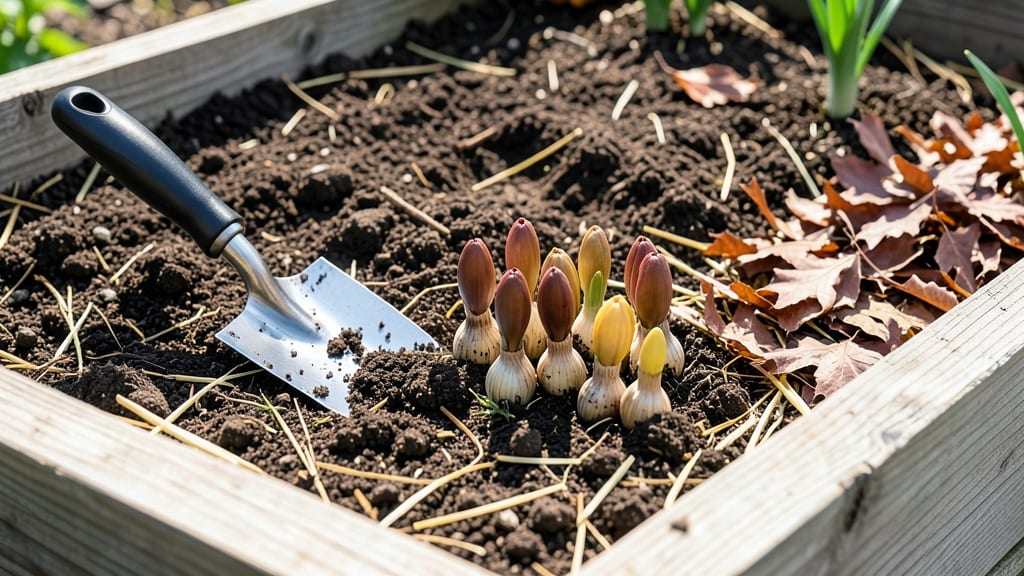
Planting your fall bulbs 🌷 at the wrong time in Zone 4 can mean the difference between a stunning spring display and years of disappointment. The key isn't just about picking a date—it's about understanding when your soil is ready to support strong root growth before winter sets in.
Most gardeners in Zone 4 wait until late summer or early fall, but timing it 4-6 weeks before your first frost is what makes all the difference. That window gives bulbs enough time to establish roots while avoiding the stress of freezing before they're ready.
I've learned the hard way that rushing the process leads to weak plants that struggle to bloom. The secret lies in soil temperature—aiming for that sweet spot between 40-50°F ensures your bulbs get the perfect start.
In this guide, I'll walk you through exactly when to plant, how to prep your soil, and what to watch for to guarantee vibrant blooms next spring. Let's get those bulbs in the ground the right way!
Ideal soil temperature and moisture triggers for planting fall bulbs in Zone 4
Planting fall bulbs in Zone 4 requires precise timing because the short growing season demands strong root establishment before winter freeze. The magic happens when soil temperatures drop to between 40-50°F—this cool window signals bulbs to focus on roots rather than shoots.
In Zone 4, that typically means planting between late August and mid-October, depending on your exact location.
Why this range? Bulbs need 4-6 weeks of cool soil to develop a robust root system before the ground freezes. If planted too early, they may sprout prematurely and get damaged by heat.
Too late, and roots won’t have time to anchor before winter. Use a soil thermometer to confirm temperatures—aim for 50°F or below at a 6-inch depth.
Moisture is equally critical. Soil should be evenly moist but not soggy when you plant. Zone 4’s dry falls can trick you—water deeply 1-2 weeks before planting to prepare the soil.
After planting, a 1-inch layer of mulch helps retain moisture and insulate roots. Avoid waterlogging, which can rot bulbs before they even sprout.
| Condition | Zone 4 Specification | Action |
|---|---|---|
| Soil Temperature | 40-50°F at 6" depth | Plant when temps drop below 50°F |
| Moisture Level | Evenly moist (not soggy) | Water deeply 1-2 weeks before planting |
| Planting Window | Late August to mid-October | 4-6 weeks before first frost |
| Mulch Thickness | 1 inch organic mulch | Apply after planting to retain moisture |
| Soil pH | 6.0-7.0 (neutral to slightly acidic) | Test and amend if needed before planting |
Don’t rely on calendar dates alone—Zone 4’s microclimates vary. For example, northern Michigan may need to plant by early September, while western New York could wait until mid-October.
Check your local USDA frost date map and count backward 6 weeks. Pro tip: Plant daffodils and crocuses first—they tolerate cooler soils better than tulips.
If your soil feels dry when you’re ready to plant, water it thoroughly 24 hours beforehand. Bulbs need consistent moisture to start rooting, but standing water will suffocate them. Aim for soil that’s like a wrung-out sponge: damp but not dripping.
In sandy soils, which drain quickly, you may need to water more frequently after planting to keep roots hydrated.
One common mistake in Zone 4 is planting when soil is still warm. If temperatures hover above 60°F, bulbs may sprout too soon and get fried by late-summer heat. Use a soil thermometer—it’s your best friend for nailing the perfect window.
I’ve seen tulips planted in 70°F soil bolt upward only to wilt when frost hits. Don’t let that happen to your garden!
After planting, mark your bulb beds with flags or stakes so you don’t accidentally dig them up in spring. In Zone 4, bulbs often emerge through snow or thin ice—they’re tougher than you think!
Just give them time to establish before winter sets in. With the right soil conditions, your bulbs will reward you with bold spring blooms that brighten up even the grayest Zone 4 days.
For extra insurance, add a 2-inch layer of compost to planting holes—it improves drainage and provides nutrients for root growth. In heavy clay soils, mix in sand or perlite to prevent waterlogging.
Zone 4 gardens often struggle with compacted soil, so give your bulbs a head start with well-amended beds.
Remember: The goal is root development, not foliage. If your bulbs sprout too early, they’ll focus energy on leaves instead of building a strong root system. That’s why cool soil temperatures are non-negotiable. Once roots are established, your bulbs can handle winter’s chill and bounce back stronger in spring.
Ideal soil temperature and moisture triggers for planting fall bulbs in Zone 4
In Zone 4, soil temperature is the most critical factor for successful fall bulb planting. Bulbs need to establish roots before winter, but they can't handle freezing ground. Aim for 40-50°F soil temperatures—this range signals roots to grow while preventing premature dormancy.
I use a simple soil thermometer to check temperatures at 4-inch depth. If it's below 40°F, wait a few weeks. Most years in Zone 4, this window falls between mid-September and early October, but early frosts can push it earlier.
Moisture matters just as much as temperature. Bulbs need consistent moisture to root but hate soggy soil. Test your soil by squeezing a handful—it should hold shape but not feel damp. If your soil drains poorly, amend it with compost or sand before planting.
| Condition | Zone 4 Specification |
|---|---|
| Soil Temperature | 40-50°F (4-6 weeks before frost) |
| Moisture Level | Consistently moist but well-draining |
| Planting Window | Mid-September to early October (varies yearly) |
| Soil pH | 6.0-7.0 (neutral to slightly acidic) |
| Pre-Plant Prep | Add 2-3 inches of compost; loosen soil 12 inches deep |
Don't rush planting just because the calendar says "fall." Wait until your soil hits that 40-50°F range—this ensures bulbs develop strong roots before winter. I once planted daffodils too early when soil was still warm, and they bolted (sent up shoots) before winterizing properly.
After planting, mulch heavily with straw or shredded leaves (3-4 inches) to insulate bulbs. This protects them from freeze-thaw cycles that can damage emerging roots. In Zone 4, mulch is just as important as planting at the right time.
If your soil stays too wet after planting, bulbs may rot. Amend heavy clay with organic matter or plant in raised beds. The goal is to mimic natural forest floors where bulbs thrive—moist but never waterlogged.