
Plants
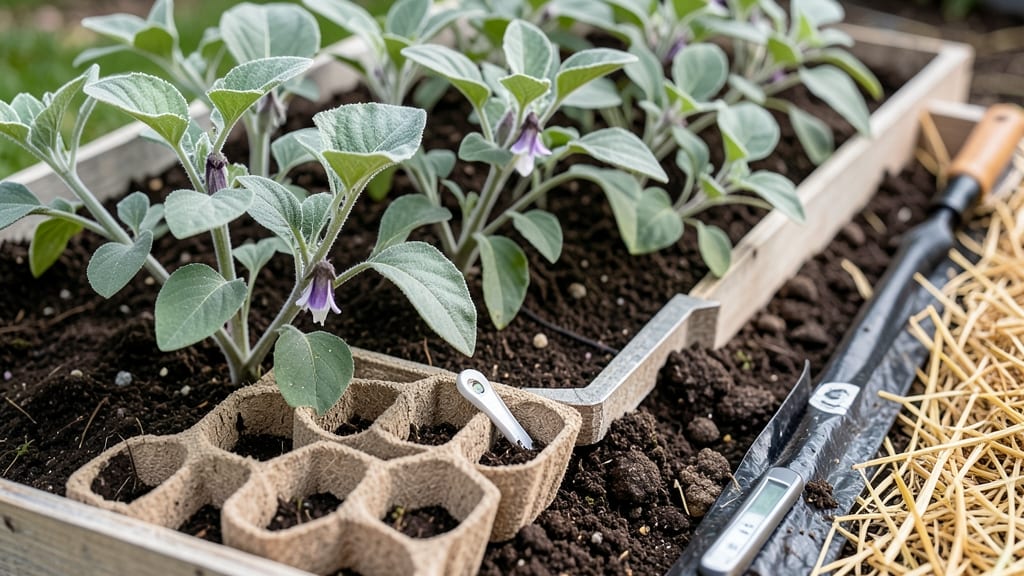
Timing your eggplant planting in North Carolina is the key to a bountiful summer harvest—or a total bust. 🍆 With frost dates lurking until March 15 in the mountains and April 15 along the coast, getting these heat-loving plants in the ground too soon means certain death.
But here's the good news: eggplants are tough once they're established, and with the right strategy, you can squeeze two full harvests into NC's growing season. Whether you're starting seeds indoors or transplanting seedlings, knowing when to plant ensures your plants thrive from May through October.
I've grown eggplants in NC for years, and I'll show you exactly when to plant—plus how to stretch the season with simple tricks. From soil temperature checks to companion planting, you'll learn the most efficient way to maximize your garden's potential.
Ready to avoid the common mistakes that kill eggplant yields? Let's dive into the perfect planting schedule tailored for your specific NC microclimate—so you can enjoy homegrown eggplants from July to frost.
Best eggplant planting dates in NC by microclimate Zone
North Carolina’s diverse climate zones mean your eggplant planting window varies from the mountains to the coast. Eggplants are heat-loving and won’t tolerate frost, so timing is critical. The USDA zones 6b-8a across NC create distinct planting schedules—get this wrong, and you’ll miss your harvest entirely.
For optimal growth, wait until soil temperatures hit 70°F+ and all frost risk has passed. In Zone 6b (mountains), this means waiting until mid-May, while Zone 8a (coastal) gardeners can plant as early as late April.
Let’s break down the best planting windows for each NC microclimate.
🌱 Pro Tip: Use a soil thermometer to confirm readiness—eggplants won’t thrive in cooler soils.
🌱 Eggplant Planting Schedule by NC Zone
| Zone | Last Frost | Plant Outdoors | Start Indoors | Harvest Window |
|---|---|---|---|---|
| 6b (Mountains) | March 15 | Mid-May | March 15 | July–September |
| 7a (Piedmont) | March 31 | Early May | March 1 | June–October |
| 7b (Coastal Plains) | April 1 | Late April | February 15 | May–November |
| 8a (Coastal) | April 15 | Late April | February 1 | May–December |
💡 Note: Coastal areas enjoy longer seasons—plant successive crops every 2-3 weeks for continuous harvests.
If you’re in Zone 6b, don’t rush—eggplants planted too early will bolt or rot from cool soils. Instead, start seeds indoors in March and transplant after May 15 when nighttime temps stay above 60°F.
In Zone 8a, you can even squeeze in a fall crop if you plant by July 1.
For maximum yield, choose early-maturing varieties like ‘Black Beauty’ (65 days) or ‘Ichiban’ (55 days). These handle NC’s short growing season better than slower varieties. Harden off seedlings for 7-10 days before transplanting to avoid shock.
🌡️ Heat Tip: Eggplants thrive in 80°F+ temps. In Zone 6b, use row covers to warm soil faster and extend the season.
After planting, mulch with straw or black plastic to retain heat and moisture. This is especially critical in dry Piedmont summers, where eggplants can wilt without consistent water. Aim for 1-2 inches of water weekly, delivered in the morning to prevent fungal diseases.
🌱 Quick Check: If your local weather app shows 5+ consecutive days above 70°F, it’s safe to plant outdoors.
How to extend eggplant season in North Carolina’s short growing period
North Carolina’s short growing season (about 180 frost-free days) can limit eggplant yields—but don’t worry! With smart strategies, you can extend your harvest well into fall. The key is starting seeds early and using heat-loving tricks to protect tender plants.
Eggplants need warm soil (70°F+) to thrive, so indoor starts are your best friend. Begin seeds 8-10 weeks before your last frost date (typically mid-March to early April for most of NC). This gives seedlings a head start before transplanting outdoors in late May or early June.
- Start seeds indoors 8-10 weeks before last frost (use grow lights if needed).
- Transplant hardened seedlings after soil warms to 70°F+ (test with a soil thermometer).
- Use row covers (floating fabric) to protect young plants from late spring frosts.
- Try succession planting: Sow a second batch 4-6 weeks after your first transplant.
- Choose fast-maturing varieties like 'Black Beauty' (70 days) or 'Ichiban' (65 days).
For gardeners in NC’s cooler zones (6b), like the mountains or piedmont, focus on early starts and row covers. These lightweight fabrics (like Agribon) let sunlight through while shielding plants from unexpected chills. Remove covers on warm days (75°F+) to prevent overheating.
Succession planting is another game-changer. After your first batch of eggplants is transplanted in late May, sow a second set of seeds 4-6 weeks later. This ensures a continuous harvest from July through September, even if your first plants bolt early.
Don’t overlook container gardening—it’s perfect for NC’s variable climate. Grow eggplants in 5-gallon pots and move them to sheltered spots (like patios or greenhouses) if cool snaps threaten. Just ensure pots have drainage holes to prevent root rot.
Finally, mulch heavily with straw or black plastic to retain soil heat and suppress weeds. This keeps roots warm and extends the growing season by 2-3 weeks. With these tricks, you’ll enjoy homegrown eggplants long after your neighbors’ plants have faded!