
Plants
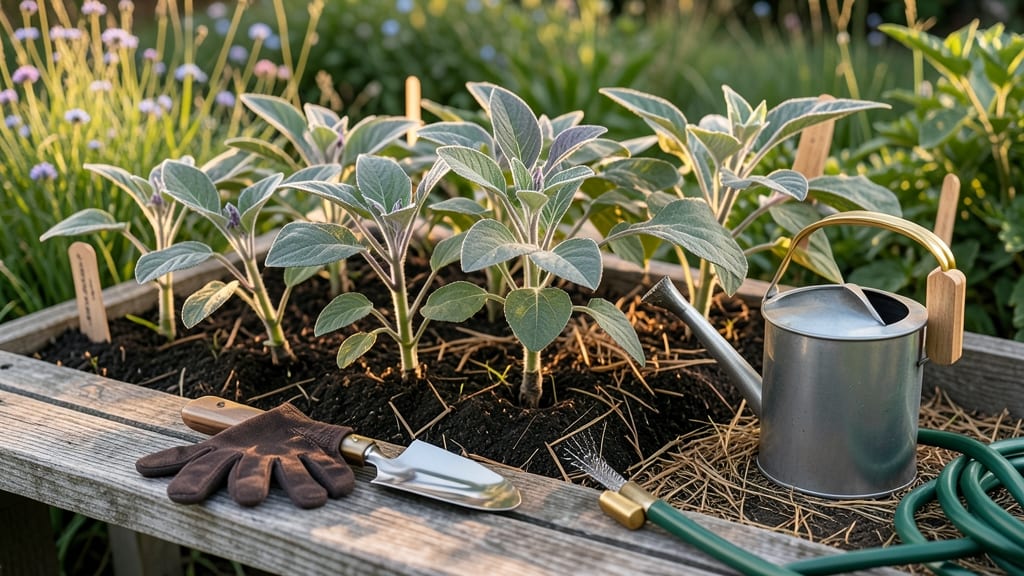
Timing your eggplant 🍆 planting in Florida isn't just about the calendar—it's about beating the heat, avoiding hurricane season, and maximizing your harvest before summer's relentless sun takes over. With no frost to worry about, Florida gardeners have a 6-month window to grow these heat-loving plants, but planting too early or late can mean stunted growth, poor yields, or even lost seedlings.
Most Florida gardeners start planting eggplant seedlings in March as soil temperatures rise, but the real secret lies in understanding your specific zone—whether you're in the humid North or the tropical South.
I'll show you exactly when to plant for your corner of the state, plus how to stretch your growing season for late harvests that last until November.
You'll discover the optimal 3-month window where eggplants thrive without wilting, how to prep your soil for Florida's heavy clay, and which fast-growing varieties hold up best in 90°F+ heat. No more guessing games—just a foolproof schedule tailored to Florida's unique climate.
Ready to grow eggplants that produce bigger, juicier fruit with fewer pests? Let's dive into the planting times, soil tricks, and variety picks that will transform your garden from "meh" to "magnificent" this season.
Best planting windows for eggplant in Florida’s climate zones
Florida’s frost-free climate gives eggplants a year-round advantage, but timing still matters. Unlike northern states, you won’t wait for spring—just soil warmth and heat tolerance. Most Florida gardeners plant eggplants from February through September, with peak success in March-May and August-September for fall harvests.
Your USDA zone (8A-10A) and microclimate (urban vs. rural) shift the ideal window slightly. For example, North Florida (Zone 8A) can start earlier, while South Florida (Zone 10A) might delay until soil warms fully. Let’s break it down by zone to maximize your harvest.
🌱 Key Rule: Eggplants need soil temps above 70°F and consistent 80°F+ days. Use a soil thermometer to confirm—cold soil stunts growth.
Notice how South Florida’s window shifts later? That’s because early spring can still bring unpredictable 60°F nights, which slow growth. Meanwhile, urban areas often need delayed planting due to heat-retaining surfaces that bake soil too fast.
For maximum yield, aim to harvest before September’s hurricane season peaks. If you plant in August-September, use row covers to shield young plants from heavy rains and wind damage. I’ve had success with ‘Ichiban’ eggplants planted in late August—they mature before storms hit.
Pro Tip: Direct-sow seeds (skip seedlings) after April 15 in most zones. Seeds germinate faster in warm soil, and seedlings avoid transplant shock. Just cover with black plastic mulch to warm the soil 5-10°F faster.
One common mistake? Planting too early in North Florida and risking spring’s erratic rains. I learned this the hard way—my March-planted eggplants developed fungal wilt from soggy soil. Now, I wait until April 1 in Zone 8A and use raised beds for drainage.
🌡️ Soil Temp Check: Use a meat thermometer (they’re cheap!) to test soil depth. Eggplant roots need 70°F+ at 4 inches deep for best growth.
How to time eggplant planting for maximum yield (and avoid common mistakes)
Florida’s unpredictable spring rains and scorching summer heat can turn eggplant planting into a high-stakes gamble. The key to success? Planting at the right moment—when soil is warm enough to prevent transplant shock but before hurricane season disrupts your garden.
I’ve learned the hard way that planting too early means soggy soil and fungal diseases, while waiting too long risks stunted growth from 90°F+ temperatures.
Most Florida gardeners aim for mid-March to early April as their primary planting window, but the real magic happens in soil temperature. Eggplants won’t thrive until the ground reaches 70°F+.
Use a soil thermometer to check—if it’s cooler, wait another week. This small step can mean the difference between healthy plants and wilted seedlings.
🌱 PRO TIP: For a second harvest, plant a second batch in late July to early August. This gives your eggplants time to mature before fall rains and cooling temperatures slow growth. Just be sure to use shade cloth if daytime temps exceed 95°F.
⚠️ Common Mistake: Planting in Heavy Clay Without Amendments
Florida’s clay-heavy soil drains poorly, leading to root rot and transplant shock. Before planting, mix in 2-3 inches of compost or aged manure and consider raised beds for better drainage. I’ve seen eggplants double in yield just by improving soil structure!
🌱 Fix it: Test your soil’s pH (aim for 6.0-6.8) and add gypsum if compaction is an issue.
Another critical factor is seedling age. Buy 4-6 week old transplants from a local nursery—they’re already hardened off and ready to handle Florida’s humid heat.
If starting from seed, sow indoors 8-10 weeks before your target planting date under grow lights (eggplants need 12+ hours of light daily to avoid leggy seedlings).
Don’t overlook mulching—this is your secret weapon against Florida’s unpredictable weather. Apply 3-4 inches of straw or black plastic mulch right after planting to:
- Retain moisture during dry spells
- Suppress weeds that compete for nutrients
- Keep soil temps stable (critical in spring/fall)
Finally, watch for transplant shock signs: yellowing leaves, wilted stems, or stunted growth within 1-2 weeks of planting. If you see these, your plants are struggling with heat stress or poor soil conditions.
Give them a light fertilizer boost (like fish emulsion) and extra water at the base—never overhead—to help them recover.
With these timing tricks, you’ll avoid the top 3 Florida eggplant failures: damping-off, blossom-end rot, and poor fruit set. Next up, I’ll share my top 5 heat-resistant varieties that actually thrive in Florida’s 100°F+ summers—some you’ve never even heard of!