
Trees
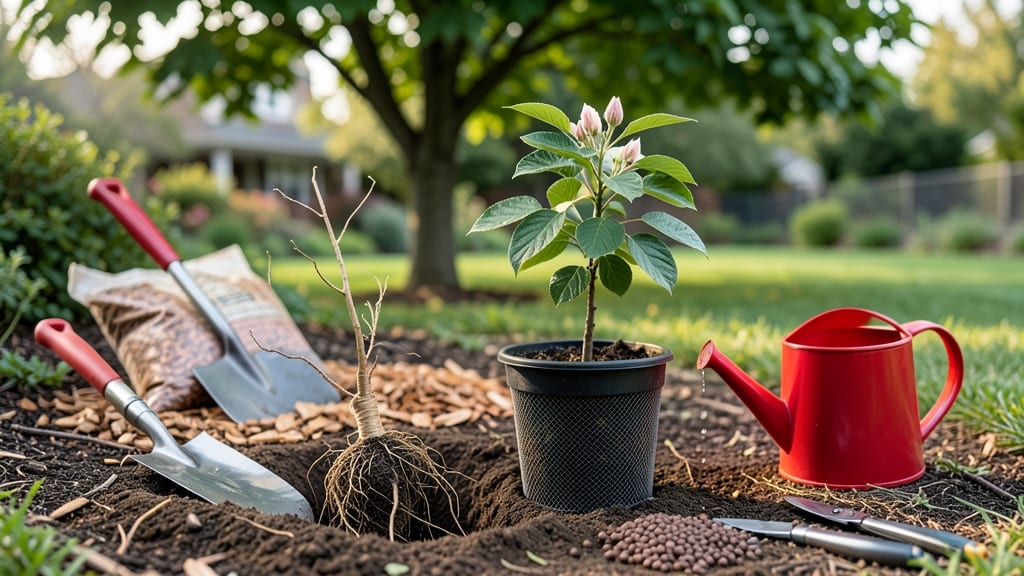
Timing your dogwood tree planting in Texas could make or break your tree's future—especially when those spring blooms are on the line. The late fall to early spring window isn't just a suggestion; it's the secret to helping your 🌳 establish strong roots before Texas' brutal summers hit.
If you've ever watched a dogwood tree struggle in the heat, you know how critical this timing is. The key is planting when the ground stays cool, giving roots time to spread without competing with scorching temperatures.
But here's the catch: Texas' diverse climate means what works in North Texas might not suit South Texas.
I'll break down exactly when to plant based on your region—whether you're in the cooler hills of the Panhandle or the hotter plains near the Gulf Coast. You'll also discover how to prep your soil, water properly, and avoid common mistakes that turn promising young trees into sad, wilted shadows.
Ready to give your dogwood the best shot at thriving? Let's get into the step-by-step guide that'll have your tree blooming beautifully year after year.
Best planting months for dogwood trees in Texas by region
Texas’ diverse climates mean dogwood trees thrive in different planting windows depending on where you live. In North Texas (USDA zones 7b-8a), like Dallas and Fort Worth, the ideal window stretches from November to February, when cooler temperatures reduce transplant shock.
Meanwhile, Central Texas (zones 8a-9a) gardeners should aim for late fall (October-November) or early spring (March), avoiding the scorching summer months.
For South Texas (zones 9b-10b), where winters are milder, the best time to plant is December through February. The key is avoiding extreme heat—dogwoods struggle when temperatures exceed 90°F during establishment. Even container-grown trees need a break from the Texas sun during their first summer.
Here’s how regional timing breaks down for optimal dogwood success:
Timing isn’t just about months—it’s about avoiding Texas’ heat stress. Dogwoods planted in late spring (May–June) often suffer from transplant shock and poor root growth due to high evaporation rates. Even container-grown trees need a 2–3 month buffer before summer hits to establish roots.
Pro tip: Check your local first frost date (typically November 15–January 15 in Texas) and plant 6–8 weeks before to give roots time to settle. For example, if frost arrives December 1, aim for a October planting in Central Texas.
Container-grown dogwoods offer flexibility—they can be planted year-round in Texas, but avoid peak summer (June–August). If you must plant in summer, choose a shaded spot and water daily for the first 2 weeks to prevent root desiccation.
One common mistake? Planting dogwoods too late in spring (after April 15) without accounting for Texas’ 100°F+ heat waves. This leads to leaf scorch and stunted growth. Always prioritize root establishment over quick blooms—your tree will thank you with vibrant spring flowers for decades.
For maximum blooms, pair your planting timing with proper soil prep. Dogwoods hate alkaline soils (common in Texas), so test your soil’s pH and amend with sulfur or pine needles if needed. A well-draining, acidic soil (pH 5.0–6.0) is non-negotiable for Texas dogwoods.
🌳
Critical factors that determine dogwood planting success in Texas
Texas’ alkaline soils and extreme temperatures can sabotage even the best-laid planting plans. Dogwoods thrive in acidic soil (pH 5.0-6.5), but most Texas native soils hover around pH 7.5-8.5. Without addressing this, your tree’s roots will struggle to absorb nutrients, leading to stunted growth or even death.
I’ve seen dogwoods planted in untreated Texas soil fail within two years—don’t let that be you. The solution? Amend your soil with peat moss or sulfur before planting. For container-grown trees, use a well-draining acidic mix (like 60% pine bark fines, 30% peat moss, and 10% perlite).
The last frost date is another dealbreaker. In North Texas, frost can linger until mid-February, while South Texas may see frost as late as January 15. Planting too early risks frost damage to tender new growth.
Aim to plant 4-6 weeks before your average last frost—this gives roots time to establish without competing with spring’s heat.
Texas’ drought conditions are no joke, especially in West and South Texas. Dogwoods need consistent moisture for the first two years, but they’re not drought-proof. Mulch heavily (3-4 inches of organic mulch) to retain moisture and regulate soil temperature.
I recommend wood chips or pine straw—they break down slowly and improve soil structure over time.
⚠️ Common Mistake: Planting in Late Spring
Dogwoods planted in April or May in Texas face intense heat stress before roots establish. The tree’s energy goes into surviving the heat instead of growing. If you must plant in late spring, choose container-grown trees with established root balls—they handle transplant shock better.
Finally, avoid compacted soil. Texas’ heavy clay soils can suffocate roots. Before planting, loosen the soil to a depth of 12-18 inches with a broadfork or tiller.
Mix in compost or aged manure to improve aeration and fertility. I’ve had dogwoods in amended soil grow 3x faster than those in untreated clay.
Pro tip: Test your soil’s pH and compaction before planting. Texas A&M’s Soil and Plant Testing Lab offers affordable tests—it’s worth the investment for a tree that can live for decades. With the right prep, your dogwood will reward you with showstopping spring blooms year after year.