
Plants
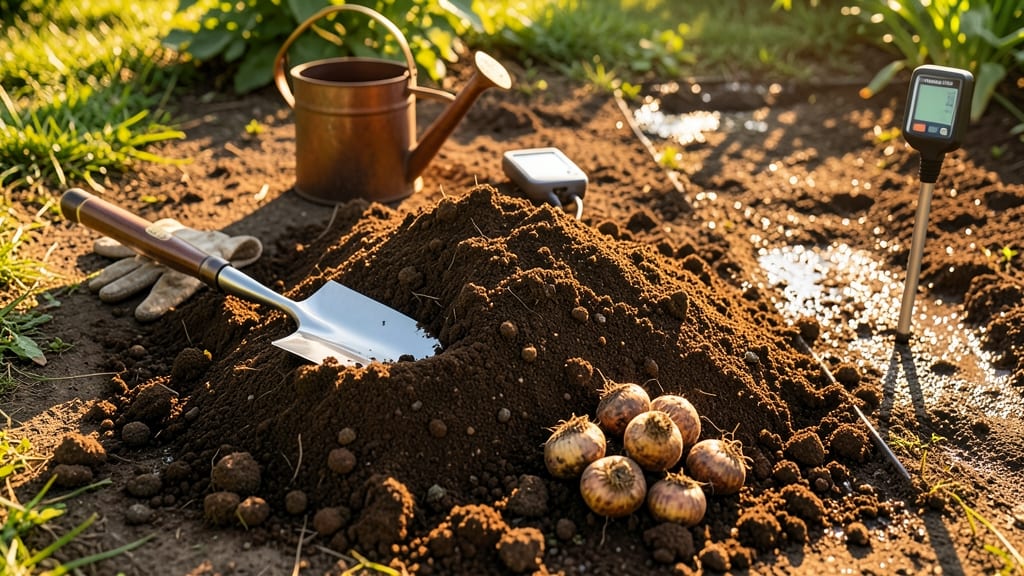
Planting dahlia bulbs at the wrong time in Georgia can turn your dream garden into a sad, wilted mess—especially when those 🌼 blooms never even make it past summer.
The key to vibrant, long-lasting dahlias lies in timing them perfectly with your local climate, and getting it wrong means struggling with stunted growth or missed blooms entirely.
For Georgia gardeners in zones 7b-8b, the ideal window opens between late March and mid-April, but there's more to it than just dates.
Soil temperature matters just as much as frost risk—planting too soon when the ground is still chilly can leave your tubers vulnerable, while waiting too long might cut your bloom season short.
I’ll walk you through exactly how to time your planting for maximum success, including when to check soil temps, how to adjust for Georgia’s unpredictable weather, and whether tubers or pre-sprouted bulbs work best in your region. No more guessing—just zero-fail blooms from July through October.
Ready to transform your garden into a dahlia paradise? Let’s dive into the science and strategies that’ll keep your 🌼 thriving all season long.
Georgia’s ideal dahlia planting timeline based on soil temperature & frost dates
Georgia’s USDA Zones 7b-8b create a unique challenge for dahlias—warm winters and unpredictable springs mean you can’t rely on a one-size-fits-all planting date.
Unlike northern states, northern Georgia (Athens, Blue Ridge) often faces late frosts into mid-April, while southern Georgia (Savannah, Macon) may see frost-free conditions by early March. To avoid frost damage or overly slow growth, timing your dahlias to soil temperatures of 60°F+ is critical.
Most Georgia gardeners should aim to plant dahlia tubers between late March and mid-April, but this window shifts based on your microclimate.
For example, mountain regions (Zone 7b) may need to wait until after April 15, while coastal areas (Zone 8b) can start as early as mid-February if you’re using a cold frame or row cover.
The key is balancing frost risk with soil warmth—dahlias won’t thrive in cold, damp soil, even if the air is warm.
Here’s how to pinpoint your perfect planting window using three simple checks: 1. Average last frost date (check your local Cooperative Extension Service for precise dates).
- Soil temperature (use a soil thermometer—dahlias need 60°F+ at 4” depth).
- Daytime highs (consistent 70°F+ air temperatures signal it’s safe to plant).
| Region | Last Frost Date | Ideal Planting Window | Soil Temp Requirement | Action Tip |
|---|---|---|---|---|
| Northern GA (Athens, Blue Ridge) | March 15 – April 15 | Mid-April (after last frost) | 60°F+ at 4" | Use row covers if planting early. |
| Central GA (Macon, Columbus) | March 1 – April 1 | Late March – Early April | 60°F+ at 4" | Plant pre-sprouted tubers for faster growth. |
| Southern GA (Savannah, Brunswick) | February 15 – March 1 | Mid-February – Early March | 55°F+ at 4" | Start indoor sprouting in January. |
| Coastal GA (Tybee Island) | January 15 – February 15 | Late January – Early February | 55°F+ at 4" | Plant tubers in pots first for flexibility. |
If you’re unsure about your local frost dates, set a reminder for April 15—this is Georgia’s statistical last frost date for most areas.
However, don’t let this date rush you into planting too early. Cold soil (below 55°F) will stunt root growth, leaving your dahlias vulnerable to rot or fungal diseases. A $10 soil thermometer is a game-changer here; it’s the only way to know for sure when your soil is ready.
For gardeners in Zone 7b (northern GA), consider starting tubers indoors in February to give them a head start. Place them in a bright, warm spot (70°F+) and plant outdoors once soil warms. This 2-week advantage can mean the difference between blooms by July and blooms by August.
Southern Georgia gardeners, on the other hand, can afford to plant as early as February, but be prepared to protect young plants with frost cloth if late cold snaps hit.
One common mistake Georgia gardeners make is planting too deep to protect tubers from frost. While dahlias can handle light freezes once established, overly deep planting (below 6 inches) can cause stem rot or poor airflow.
Instead, plant tubers 4-6 inches deep with the “eyes” (growth nodes) facing upward. If frost threatens after planting, mound straw or leaves around the base for insulation.
Pro tip: Test your soil’s readiness by pressing your finger into the ground. If it feels crumbly and warm (like a baked potato), it’s time to plant.
If it’s cold and sticky, wait another week. Georgia’s clay soil holds moisture and stays cold longer, so amend with compost before planting to improve drainage and warmth.
Finally, remember that dahlia tubers are not frost-tolerant—even mature plants can suffer damage below 28°F. If an unexpected late frost is forecasted after planting, cover your dahlias with a blanket or row cover until temperatures rise. This simple step can save your entire season.
By mastering these soil temperature and frost-date rules, you’ll ensure your dahlias burst into bloom right on schedule, giving you months of vibrant color from
Georgia’s ideal dahlia planting timeline based on soil temperature & frost dates
Georgia’s 7b-8b climate creates a tricky balance for dahlias—warm early springs in the south can fool you into planting too soon, while northern pockets still face late frosts. The last frost date (typically March 15) is just the starting point; soil temperature is what truly determines success.
Dahlia tubers need soil that’s warmed to at least 55°F, but they’ll thrive best when it reaches 60°F+. In North Georgia, this usually happens by mid-April, while South Georgia gardeners might see late March conditions. Using a soil thermometer is non-negotiable—don’t guess!
Here’s your Georgia-specific planting timeline broken down by region and soil conditions:
| Region | Last Frost Date | Ideal Planting Window | Soil Temp Requirement | Key Risk |
|---|---|---|---|---|
| North GA (Athens, Dalton) | March 20-April 5 | Mid-April (after soil hits 60°F) | 60°F+ consistently | Late frosts (April surprises) |
| Central GA (Macon, Columbus) | March 10-April 1 | Late March-Early April | 55°F+ (minimum) | Early heat waves (drought stress) |
| South GA (Savannah, Valdosta) | February 28-March 15 | Late March (soil at 55°F) | 55°F+ (warmer soil faster) | Humidity-fueled fungal risks |
Pro tip: If your soil is below 55°F but you’re eager to plant, use black plastic mulch 2-3 weeks beforehand to warm the ground naturally. This trick adds 2-4°F to soil temperature and speeds up your planting window.
For pre-sprouted bulbs, start them indoors 6-8 weeks before your target outdoor date—this gives you a head start on Georgia’s unpredictable spring. Just be ready to harden them off before transplanting!
Remember: Dahlias planted too early may rot in cold soil, while late planting cuts your bloom season short. Aim for July-October flowers by timing your tubers perfectly.