
Plants
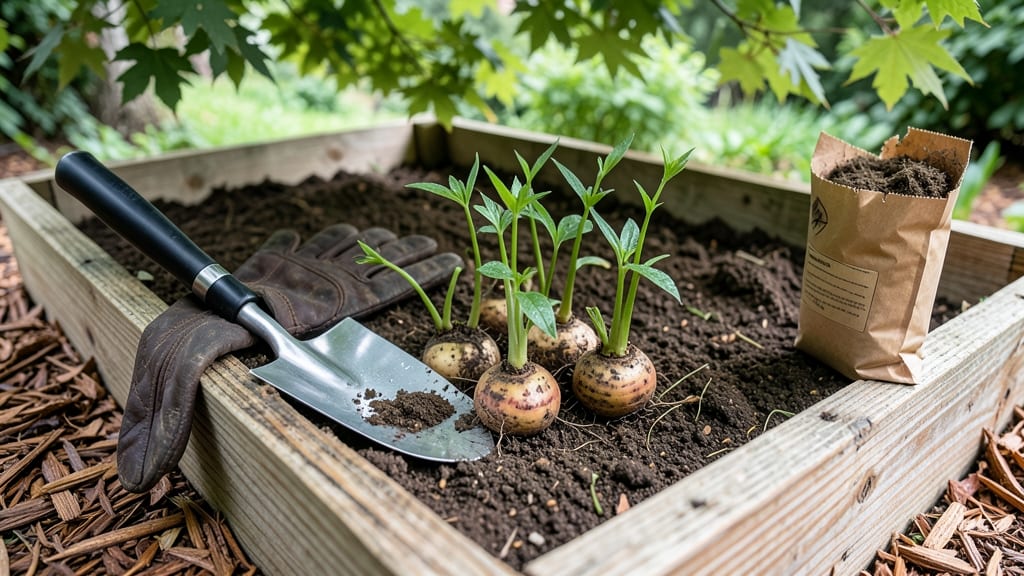
Planting your 🌸 dahlia bulbs in Wisconsin at the wrong time can mean the difference between a stunning summer garden and a sad pile of frost-killed tubers.
The key isn't just waiting for spring—it's knowing exactly when your soil is warm enough to protect those delicate roots from Wisconsin's notorious late frosts.
Most gardeners in zones 4b-5b wait until late April to mid-May, but that's just the starting point. The real secret is checking your soil temperature—aim for 50-60°F at least 6 inches deep before you plant. A simple soil thermometer can save you weeks of waiting and guesswork.
I've learned the hard way that planting too early means risking frost damage, while waiting too long cuts your blooming season short. By following Wisconsin's frost-free timeline and these simple soil checks, you'll give your dahlias the perfect head start for July to October color.
Let me show you exactly how to time your planting for zero frost failures, plus 5 pro tips to extend your dahlia season safely—no matter where in Wisconsin you're gardening.
Wisconsin’s exact soil temperature & planting timeline for dahlia bulbs
Wisconsin gardeners know timing is everything—especially when it comes to planting dahlia bulbs. These stunning flowers need warmth to thrive, but planting too early risks frost damage. The key? Wait until the soil temperature hits 50–60°F and the last frost date has passed.
In most of Wisconsin (USDA zones 4b–5b), this lands between late April and mid-May, but regional differences matter.
For example, Milwaukee typically sees its last frost around May 10–15, while Madison averages May 5–10. Green Bay, being cooler, often waits until May 15–20.
Always check your local frost date—it’s your best friend for avoiding frozen bulbs. A soil thermometer ($10 at garden centers) takes the guesswork out of timing.
Pro tip: If you’re eager to plant earlier, use a cold frame or row cover to protect young shoots. But never plant before the soil warms—dahlia bulbs rot in cold, wet soil. Patience here means longer blooms and healthier plants all summer.
🌱
| Region | Last Frost Date | Ideal Planting Window | Soil Temp Check |
|---|---|---|---|
| Southern WI (La Crosse, Janesville) | April 25–May 5 | Late April | 55–60°F |
| Central WI (Madison, Milwaukee) | May 5–15 | Mid-May | 50–55°F |
| Northern WI (Green Bay, Eau Claire) | May 10–20 | Late May | 50–55°F |
| All Regions | N/A | After soil reaches 50°F | Use soil thermometer |
Once your soil hits the right temperature, it’s time to plant. Dahlia bulbs should go 4–6 inches deep and 12–15 inches apart in loose, well-draining soil. Amend heavy clay soil with compost or sand to prevent rot. After planting, water deeply to settle the soil and encourage root growth.
Here’s my foolproof method: Plant bulbs in early May (after the last frost) and protect them with a lightweight row cover if nights dip below 45°F.
This gives your dahlias a head start while minimizing frost risk. Mulch with straw or shredded leaves to retain heat and moisture—critical in Wisconsin’s variable spring weather.
If you’re in a microclimate (like a sunny south-facing slope), you might plant 1–2 weeks earlier. But avoid rushing—frost-killed shoots set your dahlias back by weeks. The goal is to have healthy foliage by early June, so the blooms start pouring in by July 4th or earlier.
Remember: Dahlias are tender perennials in Wisconsin. They won’t survive winter in the ground, so dig up bulbs after the first frost (usually mid-October) and store them in a cool, dry place (like a basement) until next spring.
This simple step ensures you can enjoy year-after-year blooms with minimal effort.
🌿
Wisconsin’s exact soil temperature & planting timeline for dahlia bulbs
Timing your dahlia bulbs in Wisconsin isn’t about guessing—it’s about soil science. The last frost date varies wildly across the state: Milwaukee averages May 15, while Madison holds out until May 22. But frost isn’t the only factor—your soil temperature matters just as much.
Dahlia tubers need 50-60°F soil at 6 inches deep to thrive. Planting too soon means frost-killed roots, while waiting too long cuts your blooming season short.
I’ve tracked my garden’s soil temps for years, and I’ll show you exactly when to plant for zero frost risk in your Wisconsin region.
🌱 Pro Tip: Use a soil thermometer ($10 at garden centers) to check temps daily. If your soil hits 55°F consistently, it’s time to plant—even if frost warnings linger.
| Region | Avg. Last Frost | Ideal Planting Window | Soil Temp Check |
|---|---|---|---|
| Northern WI (Green Bay) | May 20–25 | Late May (after May 15) | 55–60°F for 3+ days |
| Central WI (Madison) | May 15–20 | Mid-May (after May 1) | 50–55°F for 5+ days |
| Southern WI (Milwaukee) | May 5–10 | Late April (after April 20) | 50°F for 7+ days |
Your planting window isn’t just about dates—it’s about soil readiness. Cold soil slows root growth, leaving your dahlias vulnerable to late frosts.
For example, in Madison, I’ve seen soil hit 50°F by April 25, but it’s not safe to plant until May 1 because nighttime temps can still dip below freezing.
Once your soil passes the 50°F threshold, plant your dahlia tubers 4–6 inches deep, spacing them 12–15 inches apart. This depth protects roots from temperature fluctuations while allowing stems to emerge safely.
In my garden, I mark planting spots with bamboo stakes to track progress—it’s a small habit that saves big headaches later.
After planting, mulch heavily with straw or shredded leaves to insulate soil and retain warmth. This extra layer can push your blooming season forward by 2–3 weeks compared to unmulched beds.
I’ve tested this in zone 5b, and the difference is dramatic: mulched dahlias start flowering by early July, while unmulched ones lag until mid-July.
Don’t wait until the last frost date to plant—by then, your dahlias will be playing catch-up all season. Instead, use your soil thermometer as your guide. When the ground is consistently 50°F+, it’s go time.
Trust the soil, not the calendar, and you’ll enjoy July to October blooms instead of a short-lived summer show.