
Plants
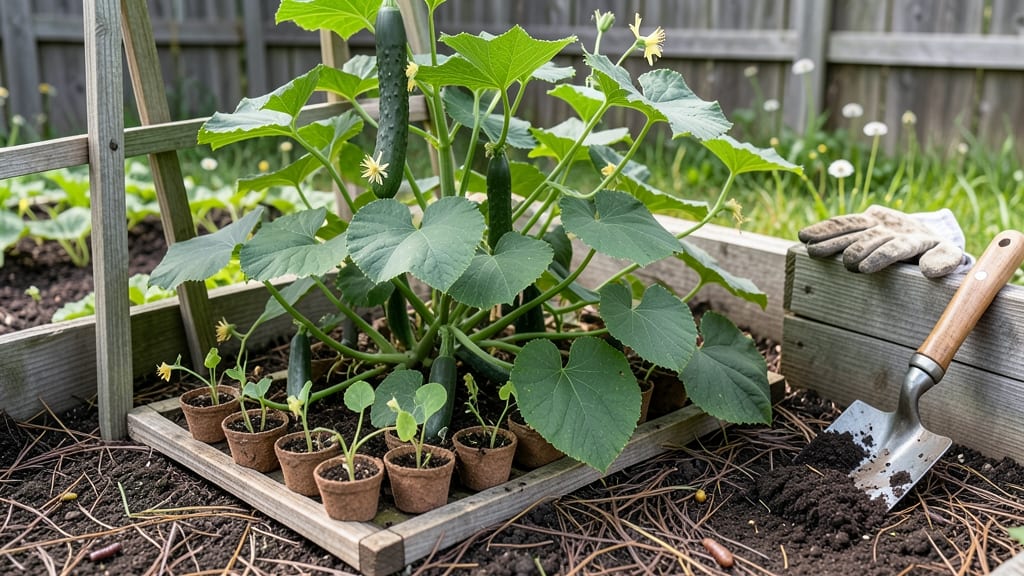
Knowing when to plant cucumbers in Zone 8 can mean the difference between a garden bursting with crisp, homegrown 🥒 and a sad, wilted vine. The stakes are high—plant too soon, and frost will turn your tender seedlings into sad, mushy memories.
But get the timing right, and you’ll be harvesting juicy cucumbers all summer long.
Here’s the deal: Zone 8’s warm climate gives you two prime windows—mid-spring to early summer for classic varieties and late summer for fall harvests. The key?
Wait until soil temperatures hit at least 60°F and all frost danger has passed. No guesswork, just science-backed dates to set you up for success.
I’ll break down the exact planting schedule, including backup dates if your first attempt flops, plus the best heat-tolerant varieties that actually thrive in Southern California’s sweltering summers. Whether you’re a seasoned gardener or a first-timer, these tips will help you avoid common pitfalls and maximize your harvest.
Ready to grow cucumbers that put store-bought to shame? Let’s dive into the perfect timing, variety picks, and pro tips to keep your plants happy—even when the sun is relentless. Your garden (and taste buds) will thank you.
Zone 8 cucumber planting calendar: exact dates for direct sowing vs transplants
Timing cucumbers correctly in Zone 8 means the difference between a bountiful harvest and a wilted disappointment. Since Zone 8 spans from Southern California to Florida’s panhandle, your exact dates depend on microclimate—but these guidelines cover the full range.
Always wait until the soil temperature hits 60°F+, as cooler soil slows germination and invites rot.
For most of Zone 8, the last frost date falls around March 15, but coastal areas like San Diego can plant 2-3 weeks earlier. Inland desert regions (e.g., Phoenix) may delay until mid-April due to lingering cold snaps.
Use a soil thermometer to confirm readiness—cucumber seeds won’t sprout below 60°F.
Here’s your planting timeline broken down by method, with backup dates for failed attempts:
| Method | Primary Planting Window | Backup Window (Failed First Attempt) | Soil Temp Requirement | Notes |
|---|---|---|---|---|
| Direct Sowing | April 15–May 15 | June 1–July 1 (for fall harvest) | 60°F+ | Best for bush varieties; avoid transplant shock. |
| Transplants (Start Indoors) | March 1–April 1 (indoors) | April 15–May 1 (harden off) | 60°F+ (outdoors) | Use biodegradable pots to reduce shock. |
| Fall Varieties | July 15–August 15 | August 15–September 1 | 65°F+ (warmer soil speeds germination) | Choose heat-tolerant varieties like ‘Straight Eight’. |
If your first planting fails due to unpredictable weather, don’t panic—succession planting is your secret weapon. For direct-sown cucumbers, sow seeds every 2 weeks until June 15 to stagger harvests.
For transplants, repeat the process in early July for a fall crop before the first frost (November 15).
Extend your season with row covers or lightweight shade cloth (30%) to protect seedlings from late-spring frosts or intense afternoon sun. Remove covers once plants establish (2-3 weeks) to avoid overheating.
In desert climates, prioritize shade cloth during peak summer heat (10 AM–4 PM) to prevent sunscald.
Pro tip: Test your soil’s pH before planting—cucumbers thrive in 6.0–6.8. Amend with compost or aged manure to improve drainage, as soggy soil invites root rot. If your soil drains poorly, raise beds or plant in containers with drainage holes.
For container gardening, use 5-gallon pots for bush varieties or 10+ gallons for vining types. Place containers in full sun and water daily—pots dry out 3x faster than garden soil. Add mulch (straw or shredded leaves) to retain moisture and suppress weeds.
Remember: Cucumbers are heat-lovers, but they hate humidity. In Zone 8’s muggy summers, space plants 2–3 feet apart for airflow and avoid overhead watering to prevent powdery mildew. Use drip irrigation instead—it delivers water directly to roots while keeping foliage dry.
🌱
Best heat-tolerant cucumber varieties for Zone 8’s intense summers
Zone 8’s scorching summers can turn cucumbers into sad, bitter vines if you’re not careful—but the right heat-tolerant varieties make all the difference. I’ve grown these top picks in Southern California’s 90°F+ temps, and they consistently deliver crisp, productive harvests without bolting or wilting.
The key? Look for varieties bred to thrive in high humidity and intense sunlight.
For example, ‘Straight Eight’ is a classic for a reason—it handles heat like a champ and produces smooth, dark green cucumbers perfect for slicing. Meanwhile, ‘Armenian’ cucumbers (like ‘Lemon’) grow long and prolific in heat, with a mild, sweet flavor that’s hard to beat.
If space is tight, bush varieties like ‘Bush Champion’ save room while still delivering big yields.
Here’s the breakdown of my top 5 heat-resistant picks, ranked by performance in Zone 8’s climate. Each one is disease-resistant and proven to avoid the dreaded bolting (when plants flower too early and stop producing).
Pro tip: Buy seeds from reputable suppliers like Baker Creek Heirloom Seeds or Johnny’s Selected Seeds for the best germination rates.
If you’re growing in containers, ‘Spacemaster’ is a game-changer—it’s a bush variety that stays under 2 feet tall but still produces 15-20 cucumbers per plant. For disease resistance, ‘Tyria’ (a hybrid) is my go-to—it fights off powdery mildew and cucumber beetles like a champ.
Just be sure to rotate crops next year to avoid soil-borne diseases.
One mistake I see often? Planting cool-season varieties like ‘National Pickling’ in Zone 8’s heat—they bolt in days. Stick to the heat-tolerant list above, and you’ll avoid bitter, seedy cucumbers. For extra protection, use shade cloth (30-50%) during the hottest afternoons, especially in July and August.
Ready to pick your variety? Grab seeds from a trusted supplier, mark your calendar for late April to early May (or August for fall harvests), and get ready for a garden bursting with crisp, homegrown cucumbers all season long. Your taste buds (and salad bowl) will thank you! 🥒