
Plants
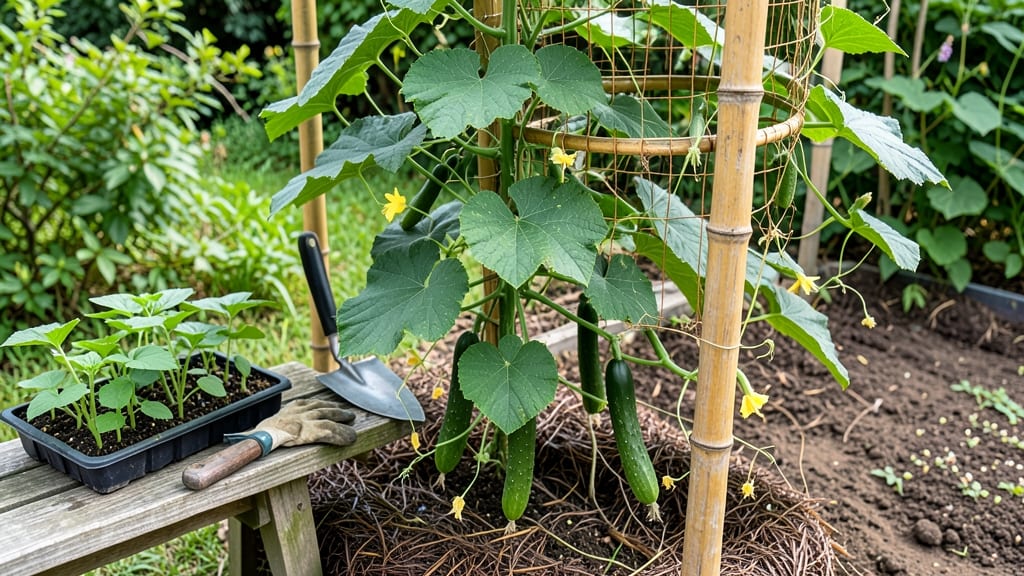
If you’ve ever planted 🥒 cucumbers in San Diego only to watch your vines wilt in the heat or struggle to produce fruit, you’re not alone. The key to a thriving harvest isn’t just about soil or water—it’s timing.
Unlike other regions, San Diego’s frost-free year-round climate means you can grow cucumbers almost anytime, but getting the window right makes all the difference.
Most gardeners here assume they can plant whenever they want, but coastal breezes, inland heat spikes, and even microclimates within the city create subtle differences in what works.
I’ve tested the best planting windows over the years, and the results—especially for varieties like ‘Straight Eight’—prove that late winter to early spring is your golden ticket to a bountiful, flavorful harvest.
In this guide, I’ll break down the exact months to plant based on your specific zone (coastal vs. inland), how to prep your soil for maximum growth, and why skipping the 60°F soil temperature rule can mean the difference between crisp cucumbers and bitter, seedy disappointments.
Ready to stop guessing and start growing? Let’s dive into the secrets of San Diego’s cucumber calendar—so you can enjoy fresh, homegrown 🥒 from spring through fall without the common pitfalls.
San Diego cucumber planting calendar: best months by microclimate zone
San Diego’s frost-free year-round climate means you can plant cucumbers almost anytime—but timing still matters for optimal yields and flavor. The best windows depend on your microclimate zone, whether you’re in coastal areas, inland valleys, or mountain foothills.
I’ll break down the ideal planting months for each zone to help you avoid bitter cucumbers and maximize harvests.
Coastal San Diego (e.g., La Jolla, Pacific Beach) enjoys cooler temperatures year-round, making late winter to early spring the prime time for planting. Inland areas like Escondido or Temecula can handle summer plantings with proper care, while valley regions (e.g., Chula Vista) benefit from extended fall harvests.
Let’s dive into the specifics to ensure your cucumbers thrive.
🌱 Pro Tip: Always check your soil temperature—cucumbers need at least 60°F soil to germinate properly. Use a soil thermometer to avoid delays, especially in cooler coastal zones.
| Microclimate Zone | Best Planting Months | Soil Temp Requirement | Harvest Window | Key Considerations |
|---|---|---|---|---|
| Coastal (e.g., La Jolla) | January–March | 60–70°F | March–July | Cooler nights; use black plastic mulch to warm soil. |
| Inland Valleys (e.g., Escondido) | March–May or August–September | 65–75°F | May–September or September–December | Hotter summers; plant shade cloth for summer starts. |
| Mountain Foothills (e.g., Julian) | April–June | 60–70°F | June–October | Cooler evenings; trellis vines to save space. |
🌱 Note: All zones can attempt summer plantings with drip irrigation and shade cloth.
For coastal gardeners, I recommend starting seeds indoors in December and transplanting outdoors by January. This head start ensures your plants are established before the spring growing rush. Inland areas can direct-sow seeds in March for a spring harvest or August for a fall bounty.
If you’re in a hot inland zone, avoid planting in June or July without shade. The intense heat can cause bolting (premature flowering) or bitter fruit. Instead, opt for shade-tolerant varieties like ‘Straight Eight’ and use drip irrigation to keep roots cool.
💡 Quick Tip: Test your soil’s pH level (ideal range: 6.0–6.8) before planting. San Diego’s soil can be alkaline, which may stunt cucumber growth. Amend with compost or peat moss if needed.
For extended harvests, try succession planting every 2–3 weeks from January to May. This ensures a continuous supply of fresh cucumbers without overcrowding your garden. Just be sure to harvest regularly—overripe cucumbers on the vine signal the plant to stop producing.
One common mistake in San Diego is planting too late in the season. Cucumbers need 55–70 days to mature, so if you plant in August, your harvest may coincide with fall rains, increasing the risk of disease.
Plan accordingly and choose disease-resistant varieties like ‘Marketmore 76’ for late-season plantings.
Finally, don’t forget about trellising! Cucumbers grow 6–20 feet long and benefit from vertical support. In space-limited gardens, use trellises or cages to save room and improve air circulation, reducing fungal diseases like powdery mildew.
With these microclimate-specific guidelines, you’ll be well on your way to a bountiful cucumber harvest all year round. Next, we’ll explore how to extend your season during San Diego’s hot summers—stay tuned! 🌿
How to extend your cucumber season in San Diego’s hot summers
San Diego’s summer heat can turn your cucumber vines into crispy, bitter disappointments if you don’t act strategically. The key to success? Heat-tolerant varieties, shade solutions, and smart watering—all designed to keep your plants productive when temperatures soar above 90°F.
I’ve learned the hard way that skipping these steps means watching your cucumbers bolt (flower prematurely) or develop tough, seedy flesh.
Start by choosing parthenocarpic varieties like ‘Sweet Success’ or ‘Marketmore 76’—these produce fruit without pollination, even in the heat. Pair them with drip irrigation to deliver water directly to roots, reducing stress.
My summer plantings thrive when I water deeply twice daily (early morning and late afternoon) to mimic monsoon conditions naturally.
Another game-changer? Black plastic mulch—it warms soil faster and retains moisture, cutting evaporation by up to 30%. I’ve seen cucumbers grow 2x faster when planted over this mulch compared to bare soil.
For extra protection, use shade cloth (30-50%) during the hottest hours (11 AM–3 PM), especially in inland areas like El Cajon where temps hit 105°F.
Don’t overlook the power of trellising—it’s not just for aesthetics. Vines off the ground get better airflow, reducing fungal diseases like powdery mildew, which thrive in San Diego’s humid summers. I use galvanized wire trellises (6–8 ft tall) and train vines vertically to save space and improve yield.
Pro tip: Prune suckers (side shoots) to redirect energy into fruit production instead of foliage.
If you’re planting in August or September, focus on succession planting—sow new seeds every 2 weeks for a staggered harvest. This ensures you’re always picking fresh cucumbers while older plants mature.
My late-summer batches often outperform spring plantings because the cooler fall air helps cucumbers develop sweeter flavors without the stress of peak heat.
With these strategies, you can enjoy crisp, homegrown cucumbers from May through October—even in the heart of San Diego’s summer. The secret? Treating heat as an opportunity, not an obstacle. 🌱