
Plants
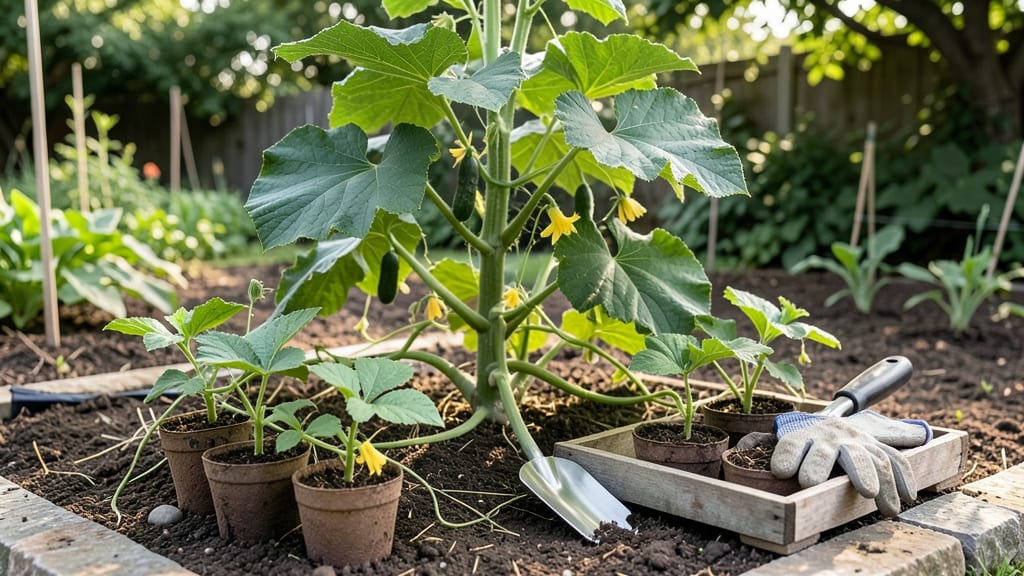
Timing your cucumber planting in North Carolina isn’t just about the calendar—it’s about unlocking juicy, homegrown 🥒 that thrives in your local climate.
Whether you’re in the Piedmont’s rolling hills or the Coastal Plain’s warmer pockets, getting those seeds in the ground at the right moment can mean the difference between bitter disappointment and a bounty of crisp, vine-ripened cucumbers.
Most gardeners in USDA Zones 7b-8a wait until after the last frost—typically around mid-April for inland areas, but as early as March in coastal zones—to plant cucumbers. But here’s the catch: soil temperature matters just as much as air temperature.
Cucumbers crave warmth, and planting too soon when the ground is still chilly can stall their growth or invite disease.
In this guide, you’ll discover the exact planting windows for your region, whether you’re aiming for a spring harvest or stretching your season into fall. We’ll also cover pro tips like succession planting and soil prep to maximize your yield, so you’re not left wondering why your cucumbers are underperforming.
Ready to turn your garden into a cucumber powerhouse? Let’s dive into the best times to plant—and how to keep those vines producing all season long.
Best planting windows for cucumbers in North Carolina’s zones 7b-8a
North Carolina’s USDA Zones 7b-8a offer a 180-240 day frost-free window—perfect for cucumbers if you time it right. The ideal planting window spans from mid-April to mid-June for spring crops, with a second chance in mid-July to August for summer harvests.
Coastal areas (like Wilmington) can start 2-3 weeks earlier due to milder winters, while the Piedmont (Raleigh, Greensboro) should wait until after April 15 to avoid late frosts.
Cucumbers thrive when soil temperatures hit 60°F+—use a soil thermometer to confirm readiness. In my Zone 7b garden, I’ve learned that planting too early (before May 1) risks cold soil, which stunts growth and invites disease.
Meanwhile, waiting until June 1 for spring plantings often means bolting (premature flowering) as summer heat arrives.
For continuous harvests, I stagger plantings every 2-3 weeks between April and June. This ensures fresh cucumbers from June through October, even as some vines mature and fade.
In Zone 8a (eastern NC), you can push the envelope with a late-summer crop planted in mid-July, but choose heat-tolerant varieties like ‘Straight Eight’ or ‘Southern Sweet’ to avoid bitter fruit.
| Region | Last Frost Date | Ideal Planting Window | Soil Temp Requirement | Harvest Window |
|---|---|---|---|---|
| Coastal Plain (Zone 8a) | March 15 | April 1 - June 1 | 60°F+ | June - October |
| Piedmont (Zone 7b) | April 15 | May 1 - June 15 | 65°F+ | July - September |
| Mountains (Zone 7a) | May 1 | May 20 - June 10 | 70°F+ | August - September |
| Summer Succession (All Regions) | N/A | July 15 - August 15 | 60°F+ | August - October |
If you’re direct-sowing (the easiest method for cucumbers), drop seeds ½-inch deep and 1-inch apart in hills spaced 3-4 feet apart. I’ve found that black plastic mulch raises soil temps by 5-10°F, letting me plant 1-2 weeks earlier in cooler zones.
For container growing, use 5-gallon pots and plant after May 15 to avoid cool nights.
Pro tip: Use row covers for early plantings to protect against late frosts (common in April in the Piedmont). Remove covers once flowers appear to allow bee pollination. In my trials, covered plants matured 7-10 days faster than uncovered ones, making up for delayed starts.
For indoor starts, sow seeds 3-4 weeks before your last frost date in biodegradable pots. Harden off seedlings for
How to extend your cucumber season in North Carolina’s climate
North Carolina’s humid summers and unpredictable late frosts can challenge cucumber growers, but with the right strategies, you can stretch your harvest from early summer all the way into fall. The key is combining succession planting, heat-tolerant varieties, and protective measures like row covers to beat the odds.
I’ve grown cucumbers in Zone 7b for years, and these tricks have helped me avoid wasted vines and maximize my yield.
Start by choosing heat-resistant varieties like ‘Straight Eight’ or ‘Marketmore 76,’ which thrive in NC’s sweltering afternoons. These varieties also handle humidity better than standard types, reducing the risk of powdery mildew—a common issue in our state’s damp summers.
Pair them with black plastic mulch to keep soil temperatures steady and deter weeds that compete for nutrients.
🌱 For a longer harvest window, plant in two waves: the first batch goes in after your last frost (around mid-April for inland areas), and the second wave follows 2-3 weeks later. This staggered approach ensures you’re always picking fresh cucumbers while the first plants are still producing.
In coastal areas like Wilmington, you can even start as early as March 1 under row covers for an earlier harvest.
🌡️ 5 Pro Tips to Beat NC’s Climate Challenges
- 1. Use row covers for early/late plantings to shield from light frosts (down to 28°F) and insect pests like cucumber beetles.
- 2. Trellis vines to improve airflow and reduce disease risk—aim for 6-8 ft height with sturdy stakes or netting.
- 3. Mulch heavily with straw or shredded leaves to retain moisture and suppress weeds in NC’s intense summer heat.
- 4. Water deeply at soil level (not overhead) to prevent fungal spores from splashing onto leaves.
- 5. Harvest frequently—pick every 2-3 days to encourage continuous production and avoid bitter fruit.
- April 15: First planting (after last frost)
- May 1: Apply side-dress fertilizer
- June 1: Second planting for fall harvest
- July 15: Remove row covers if used
- Sept 1: Mulch to protect from late frosts
Don’t overlook the power of succession planting for a continuous harvest. After your first batch of cucumbers starts producing, sow a second round in late May or early June. This ensures you’re harvesting cucumbers well into October, even as temperatures begin to drop.
Just be prepared to use row covers again in September if a late frost threatens your plants.
For gardeners in Zone 8a, where summers are longer and hotter, focus on shade cloth during peak heat (100°F+). A 30-50% shade cloth can protect delicate vines while still allowing enough light for fruit production.
Pair this with drip irrigation to keep roots cool and prevent stress. I’ve seen cucumbers thrive under these conditions, producing fruit even when other plants wilt.
Finally, pay attention to soil health—amend your beds with compost before planting to improve drainage and nutrient retention. Cucumbers are heavy feeders, so a soil test (aim for pH 6.0–6.8) will help you avoid deficiencies that stunt growth.
With these strategies, you’ll turn NC’s climate into an advantage, not a limitation, for a bountiful cucumber season.