
Plants
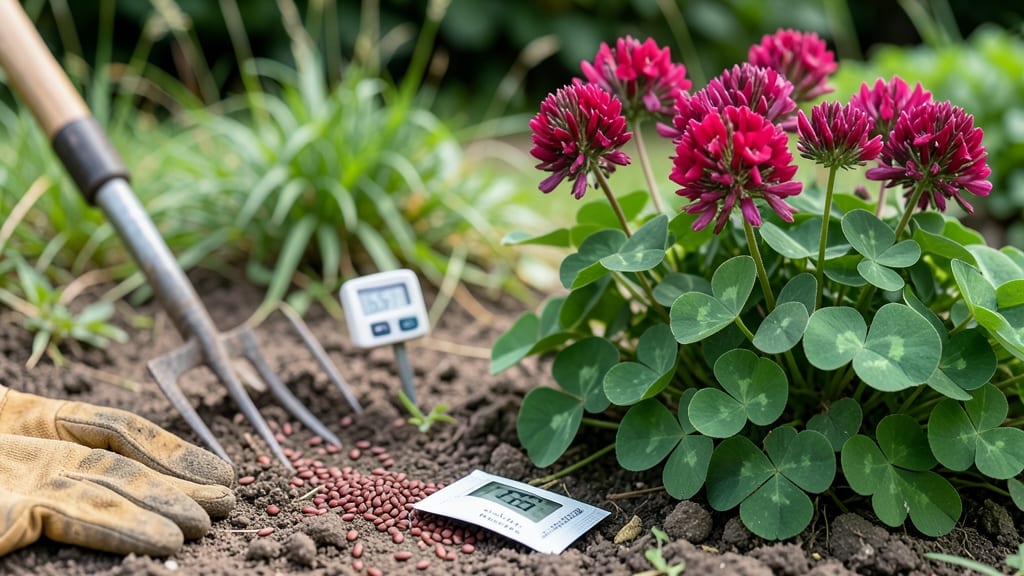
If you're wondering when to plant crimson clover in Tennessee, timing is everything—especially in zones 6a-7b where a single wrong move can turn your cover crop into a flop.
This vibrant 🌸 Crimson Clover isn't just pretty; it's a powerhouse for soil health, but it needs the right chill hours to thrive.
Most gardeners focus on spring planting, but late summer—around August—is actually the sweet spot for Tennessee growers. Why? Because it gives the seeds time to establish strong roots before winter's chill sets in, ensuring a lush stand by spring. Skipping this window means risking weak growth or winterkill.
Here's the secret: match your planting to Tennessee's 1,500-3,000 chill-hour zones. Plant too early, and summer heat will stress the seedlings; too late, and frost will nip them before they take hold. I’ll break down the exact dates and microclimate tips so you never guess again.
Ready to transform your soil? Let’s dive into the perfect planting strategy for Tennessee’s unpredictable climate—where timing isn’t just important, it’s everything.
Tennessee’s chill-hour zones for crimson clover planting timing
Tennessee’s USDA zones 6a-7b create a unique challenge for crimson clover planting. Unlike annuals, this cover crop relies on chill hours—the cumulative hours below 45°F—to trigger dormancy and spring regrowth. In Tennessee, chill-hour requirements range from 1,500-3,000 hours, depending on your microclimate.
For East Tennessee (zone 6a), aim for 2,500-3,000 chill hours—planting in mid-August ensures seeds establish before winter’s deep freeze. Meanwhile, Middle Tennessee (zone 7a) needs just 1,500-2,000 chill hours, so late September works better to avoid summer heat stress.
West Tennessee (zone 7b) sits in a sweet spot: 2,000 chill hours suffice, making early-to-mid August ideal. The key? Plant when daytime temps drop below 85°F—any hotter, and germination suffers.
Pro tip: Use a soil thermometer to confirm temps are below 85°F before planting. Crimson clover seeds need 55-65°F soil temps to germinate—any hotter, and they’ll rot in the ground.
Another critical factor? First frost dates. In East TN, frost can hit as early as October 15, while West TN often waits until November 10. Plant too late, and seedlings won’t establish roots before winter dormancy begins.
For overseeding existing lawns, aim for 6-8 weeks before frost. This gives roots time to anchor before cold sets in. In Middle TN, that’s early September; in West TN, push it to mid-September.
Remember: Crimson clover’s bloom time (spring) depends on winter chill. Too little chill = sparse flowers. Too much = winterkill. Tennessee’s zones strike a perfect balance—when timed right.
Need a backup plan? Spring planting (March) works too, but fall is always better for soil health. The trade-off? Spring-planted clover may not establish as deeply before summer heat arrives.
🌸
Tennessee’s chill-hour zones for crimson clover planting timing
Tennessee’s USDA zones 6a-7b create unique challenges for planting 🌸 Crimson Clover. Unlike spring planting, fall is the golden window because it aligns with the plant’s 1,500-3,000 chill-hour requirement.
Too early, and summer heat will stress seedlings; too late, and frost arrives before roots establish. The key? Planting 6-8 weeks before hard frost, which varies by region.
In East Tennessee’s cooler zones (6a), like the Appalachian foothills, aim for late August. Here, frost typically hits by mid-November, giving crimson clover enough time to germinate and develop a strong root system.
Meanwhile, Middle and West Tennessee (7a-7b) can wait until early September, as frost arrives later—around late November. This delay reduces the risk of winterkill.
Here’s the critical detail: chill hours accumulate gradually. If you plant too early in zone 7b, the seeds may germinate but struggle with 90°F+ soil temperatures, leading to weak stands.
Conversely, planting too late in zone 6a risks frost damage before roots take hold. The sweet spot is a balance—enough warmth for germination but cool enough for steady growth.
| USDA Zone | Chill-Hour Range | Optimal Planting Window | Frost Risk |
|---|---|---|---|
| 6a (East TN) | 2,500-3,000 | Late August (Aug 20-31) | High (Nov 10-20) |
| 7a (Middle TN) | 1,800-2,200 | Early September (Sep 1-15) | Moderate (Nov 20-Dec 5) |
| 7b (West TN) | 1,500-1,800 | Mid-September (Sep 10-20) | Low (Dec 1-10) |
Don’t overlook microclimates—even within a zone, elevation and local weather patterns shift planting dates. For example, higher elevations in East Tennessee (like the Smoky Mountains) can have 2-3 weeks earlier frost than nearby valleys.
Use a local frost calendar (like the one from your TN Extension Office) to fine-tune your timing. I’ve planted in both zones and can tell you: a week’s delay in zone 6a can mean failure.
Pro tip: Test soil temperature before planting. Crimson clover needs soil 60°F+ to germinate but tolerates cooler temps (50°F) once established. Use a soil thermometer to avoid planting too early.
If temps dip below 50°F at night, wait a few days—patience here pays off with stronger stands next spring.
Finally, remember that chill hours aren’t just about cold—they’re about consistency. Tennessee’s fall weather can swing from warm days to freezing nights. Planting in late August-September gives crimson clover time to adapt, ensuring it blooms vigorously in spring and improves your soil’s nitrogen and organic matter.
Skip this window, and you’ll miss out on the full benefits of this hardworking cover crop.