
Plants
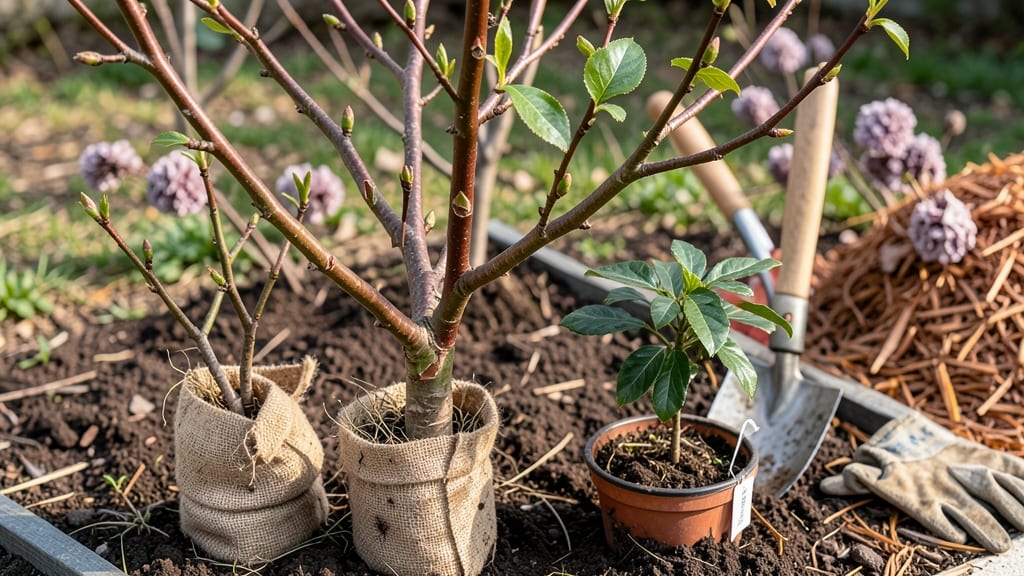
Planting your 🌸 Crepe Myrtle at the wrong time in Florida could mean struggling with slow growth—or worse, frost damage—even in warmer zones. The key isn’t just picking a season; it’s understanding how Florida’s microclimates and rare cold snaps affect young trees.
If you’ve ever wondered why some Crepe Myrtles thrive while others struggle, timing is the game-changer. Florida’s USDA zones 8a-11 offer flexibility, but knowing the best months to plant ensures your tree establishes strong roots before potential frost.
I’ll break down the ideal window—late winter to early spring—and how to adjust for North vs. South Florida’s differences. You’ll learn how to prep soil, space plants correctly, and avoid common mistakes that lead to transplant shock.
By the end, you’ll have a clear plan to plant your Crepe Myrtle for zero-frost survival and vibrant growth all year. Let’s get started!
Florida’s ideal Crepe Myrtle planting months for frost-free growth
Florida’s subtropical climate makes crepe myrtles a year-round possibility, but timing still matters. The best window for planting is late winter to early spring (January–March), when temperatures stabilize above 50°F and frost risk drops. This gives roots 3–4 months to establish before summer heat arrives.
Crepe myrtles thrive in USDA zones 8a–11, but Florida’s microclimates create exceptions. For example, North Florida (Panhandle) faces occasional frost, while South Florida (Miami) rarely sees temps below 40°F. Planting too early in cooler zones risks transplant shock from erratic weather.
Here’s how Florida’s frost-free days influence planting:
- North Florida (Zone 8a): Last frost ~January 15; plant after this date.
- Central Florida (Zone 9a): Last frost ~January 1; December–February is ideal.
- South Florida (Zone 10a+):** Year-round planting is safe, but January–March minimizes stress.
| Region | Best Planting Window | Key Consideration |
|---|---|---|
| North Florida (Zone 8a) | February–March | Avoid January frosts; soil temps >50°F |
| Central Florida (Zone 9a) | December–February | Balanced humidity and mild temps |
| South Florida (Zone 10a+) | Year-round (peak: Jan–Mar) | No frost risk; avoid summer heat for transplanting |
For container-grown crepe myrtles, timing shifts slightly. These trees establish faster, so you can plant as late as April in North Florida or May in South Florida. However, bare-root saplings need soil temps above 60°F to avoid root rot.
One critical mistake is planting in summer’s peak heat (June–August). While crepe myrtles tolerate heat, young roots struggle to adapt. If you must plant then, use shade cloth for the first 4–6 weeks and water daily.
Soil preparation is just as important as timing. Crepe myrtles hate waterlogged soil, so amend clay-heavy areas with compost or sand. A pH of 6.0–7.0 is ideal. Test your soil 4–6 weeks before planting to adjust nutrients.
After planting, mulch heavily (3–4 inches) to retain moisture and regulate soil temps. This is especially crucial in North Florida’s dry springs. Avoid mulching too close to the trunk to prevent rot.
Florida’s humidity can also affect timing. In South Florida, planting in late fall (November) avoids hurricane season’s heavy rains, which can drown roots. Meanwhile, North Florida benefits from spring rains to support early growth.
Remember: Crepe myrtles grow 2–4 feet per year when happy. Planting at the right time ensures they flower spectacularly by their second year—no matter where you are in Florida. 🌸
How to adjust planting timing by Florida region (North vs. South)
Florida’s climate varies dramatically from North to South, and your Crepe Myrtle planting timing should reflect these differences. In North Florida (USDA zones 8a-9a), like Gainesville or Jacksonville, cooler winters mean you’ll need to plant earlier to avoid frost risks.
Meanwhile, South Florida (zones 10a-11), such as Miami or Fort Lauderdale, offers year-round planting flexibility—but even here, timing affects root establishment.
For North Florida, aim to plant between January and early March to give roots time to establish before potential frost in December. In South Florida, you can plant year-round, but late winter to early spring (February-March) still ensures optimal growth conditions.
The key difference? North Florida’s soil prep must include frost protection, while South Florida focuses on drainage to prevent waterlogging.
Here’s how to tailor your approach based on region:
| Region | Best Planting Window | Soil Prep Focus | Transplant Shock Risk |
|---|---|---|---|
| North Florida (Zones 8a-9a) | January–Early March | Well-draining, mulched soil; frost barriers | High (cooler temps slow root growth) |
| Central Florida (Zones 9a-9b) | December–March | Loamy soil; minimal mulch | Moderate (mild winters) |
| South Florida (Zones 10a-11) | Year-round (best Feb–Mar) | Sandy, fast-draining soil | Low (warm climate) |
In North Florida, I recommend adding a 2-3 inch layer of mulch around the base of your Crepe Myrtle to insulate roots during cooler months. For South Florida, prioritize sandy soil amendments like compost to improve drainage, as heavy rains can suffocate roots.
Both regions benefit from well-draining soil, but North Florida’s cooler temps demand extra care during the first growing season.
Another critical factor is spacing. In North Florida, space trees 10-15 feet apart to allow airflow and reduce frost pockets. In South Florida, you can plant them closer (6-10 feet) due to the warmer climate and faster growth rates.
Proper spacing isn’t just about aesthetics—it’s about preventing disease and ensuring each tree gets enough sunlight.
If you’re in a transitional zone like Orlando or Tampa, monitor local frost alerts and adjust your planting timeline accordingly. Even a single cold snap can set back a young Crepe Myrtle, so flexibility is key.
With the right timing and regional adjustments, your tree will thrive year-round—no matter where in Florida you live. 🌿