
Plants
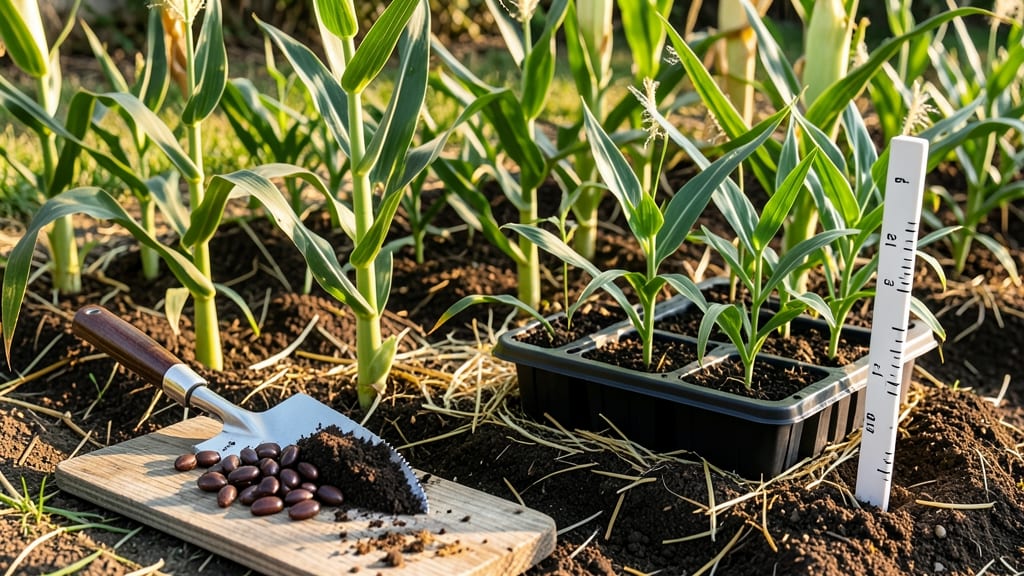
Timing your corn planting in Western Washington can feel like a guessing game—get it wrong, and you might end up with stunted 🌽 or no harvest at all. The coastal climate here throws off traditional schedules, so knowing the exact window for planting is the key to success.
With USDA Zone 8a conditions and unpredictable spring weather, gardeners often wonder: Is mid-April too early? Should I wait until early June? The answer depends on your microclimate, whether you're near Puget Sound or inland, and how quickly your soil warms.
In this guide, I’ll break down the ideal planting dates, soil temperature thresholds, and regional adjustments to help you avoid common mistakes. You’ll learn how to time it perfectly for reliable germination and a bountiful harvest by late summer.
Ready to grow sweet, tender corn? Let’s dive into the strategies that work in Western Washington’s unique growing conditions.
Western Washington corn planting zones: coastal vs. inland timing differences
Western Washington’s diverse microclimates create a 1-3 week difference in optimal corn planting times between coastal and inland regions. The Puget Sound and Olympic Peninsula experience cooler, wetter springs due to maritime influence, while areas like the Cascade foothills and Yakima Valley warm up faster.
Understanding these zones ensures your corn gets a head start before summer heat arrives.
Coastal gardeners should aim for mid-April to early May plantings, waiting until soil temperatures consistently reach 50-55°F. Inland areas can start 2-3 weeks earlier (late March to mid-April) thanks to faster soil warming.
Use a soil thermometer to confirm readiness—corn seeds won’t germinate below 50°F, risking rot or failure.
Here’s how the three key zones differ in planting windows:
The Puget Sound and Olympic Peninsula often see delayed soil warming due to ocean breezes and frequent spring rains. Planting too early risks cold soil rot or stunted seedlings.
In contrast, the Yakima Valley can have warmer microclimates in sheltered spots, allowing earlier starts. Always check your local USDA Zone 8a frost dates and adjust accordingly.
For coastal gardeners, consider black plastic mulch or row covers to raise soil temperatures by 5-10°F, creating a warmer microclimate.
Inland gardeners can plant earlier varieties (60-70 day maturity) to maximize harvests before summer heat arrives. Succession planting every 2 weeks extends your harvest window—critical in Western Washington’s short growing season.
One common mistake is relying on air temperature instead of soil temperature. A 60°F day might still have 45°F soil—use a soil thermometer for accuracy.
Coastal areas like Bellingham or Port Townsend may need to wait until mid-May for reliable germination, while Pullman or Walla Walla can start as early as late March.
Pro tip: Test your soil’s drainage before planting. Corn hates waterlogged roots, and Western Washington’s heavy clay soils can trap moisture. Amend with compost or sand to improve aeration. Raised beds warm up faster and drain better—ideal for coastal plantings where cold, wet soil is common.
If you’re unsure about your microclimate, observe nearby fruit trees or berry bushes. When cherry blossoms peak (late April in most areas), it’s a sign that soil temperatures are rising—time to plant! For coastal gardeners, wait until dandelions bloom
Microclimate-specific planting calendar: week-by-week schedule for western WA
Planting corn in Western Washington requires precision—your location’s microclimate can shift ideal dates by weeks. Coastal areas like Seattle and Whidbey Island need later starts due to cooler soils, while inland spots like the Yakima Valley can plant earlier.
Here’s a week-by-week breakdown to align with your region’s 1,000–1,200 growing degree days requirement.
Use a soil thermometer to confirm readiness—corn germinates best at 50–55°F. If your soil is colder, wait or use black plastic mulch to warm it faster. Below is your region-specific timeline to avoid frost damage and maximize yield.
For raised beds, you can plant 1–2 weeks earlier since they warm faster. If you’re unsure about your soil temperature, err on the side of waiting—corn won’t germinate below 50°F, and cold soils can lead to rot or poor stands.
Use a planting calendar or local frost-free date data to fine-tune your schedule.
Pro tip: If your area experiences a late frost in May, opt for short-season varieties like 'Ambrosia' (70 days) or 'Peaches and Cream' (85 days). These mature quickly enough to avoid summer heat stress, which can cause kernel abortion in longer varieties.
Remember, corn thrives on consistent warmth and moisture. Once planted, maintain soil temps above 60°F and water deeply 1–2 inches per week to prevent stunted growth. With this timeline, you’ll be harvesting sweet ears by late July or August—just in time for summer grilling!