
Plants
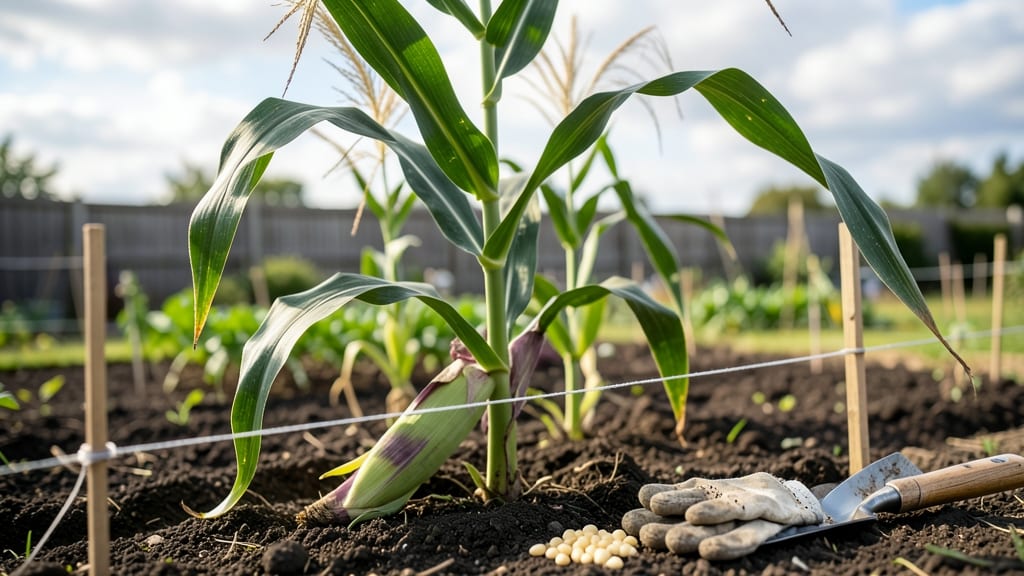
Timing your 🌽 corn planting in Kansas isn’t just about checking a calendar—it’s about reading the soil, the sky, and even your local weather patterns like a pro.
Get it wrong, and you might end up with stunted plants or wasted seeds, especially when USDA Zones 6 and 7 bring their own quirks to the table.
Most Kansas gardeners swear by planting between mid-April and early June, but the real magic happens when soil temperatures hit 50°F or warmer. That’s your green light to get those seeds in the ground—just don’t rush it.
Waiting for the last frost to fade (usually around mid-April) is non-negotiable if you want healthy, thriving plants that reach their full 6- to 12-foot potential.
Here’s the thing: Kansas isn’t one-size-fits-all. Northern regions in Zone 6 might need to hold off until late April, while southern areas in Zone 7 can start earlier. And if you’ve ever dealt with a late spring or an early frost warning, you know how quickly plans can go sideways.
I’ll break down the exact dates, soil rules, and even how to adjust for early vs. late varieties so you can dodge common pitfalls.
Ready to plant with confidence? Let’s dive into the step-by-step guide that’ll help you time it just right—for bigger yields, fewer headaches, and corn that’s ready to harvest from July to September. Your future dinner table (and your neighbors’ jealous glances) will thank you.
Optimal Kansas corn planting dates by USDA Zone 6 vs. 7 (with soil temperature rules)
Kansas spans USDA Zones 6 and 7, where corn thrives—but only if planted at the right time. Zone 6 (northern Kansas) has a shorter growing season, while Zone 7 (southern Kansas) enjoys slightly warmer springs.
The key? Soil temperature and last frost dates, which vary by 10-14 days across the state.
Corn seeds won’t germinate below 50°F, but roots grow best at 60°F+. Planting too early in cold soil leads to rot or stunted growth, while waiting too long risks shorter plants and fewer ears.
Let’s break down the best windows for each zone—and how to adjust for Kansas’ unpredictable spring weather.
| Factor | USDA Zone 6 (Northern KS) | USDA Zone 7 (Southern KS) |
|---|---|---|
| Last Frost Date | Mid-April to early May | Early April to mid-April |
| Ideal Planting Window | Mid-May to early June | Late April to mid-May |
| Soil Temp Threshold | 60°F+ (consistent) | 60°F+ (consistent) |
| Early Variety Window | Late April (risky) | Mid-April (with row covers) |
| Late Variety Window | Early June (max by June 15) | Late May (max by June 1) |
| Yield Impact of Late Planting | 20-30% reduction | 10-20% reduction |
For Zone 6 gardeners, aim to plant 30-45 days before your first expected frost in October. This gives corn 90-120 days to mature—critical for dent corn varieties like 'Golden Bantam' or 'Country Gentleman'.
In Zone 7, you can push planting slightly earlier, but avoid before April 15 unless you use black plastic mulch to warm soil faster.
Kansas’ spring weather whiplash makes timing tricky. 2023’s late frost in early May caught many off guard—so monitor Kansas State University’s frost maps or local Cooperative Extension Service alerts. If frost threatens after planting, cover seedlings with row fabric until danger passes.
Choose early-maturing varieties (60-75 days) for Zone 6’s shorter season. 'Silver Queen' (sweet corn) or 'Early Sunglow' are reliable picks. In Zone 7, you can opt for medium-maturing types (75-90 days) like 'Peaches and Cream' or 'Bodacious' for larger yields.
Planting too early? Corn may rot in cold, wet soil or develop weak stalks. Too late? Plants grow tall but spindly with fewer ears. Balance is key—aim for late May in Zone 6 and mid-May in Zone 7 for the sweet spot.
Need a backup? Succession planting works in Zone 7: Sow a second crop in early June for a late-summer harvest. Just pick fast-maturing varieties (e.g., 'Ambrosia', 65 days). In Zone 6, stick to one main planting—your season’s too short for multiple batches.
🌱 Remember: Kansas corn loves warm soil and full sun. If your spring drags, use black plastic mulch to speed up warming—or wait for the perfect window. Patience pays off with plump ears and happy pollination.
5 Critical factors that determine your exact Kansas corn planting time (beyond the calendar)
Planting corn in Kansas isn’t just about checking the calendar—it’s about reading 5 hidden clues that most gardeners overlook. I’ve learned the hard way that ignoring these factors can mean the difference between a bumper crop and a sad little patch of stunted plants.
Let’s break down what truly matters beyond the mid-April to early June rule.
First, soil temperature is your #1 guide, not the air temperature. Corn seeds need soil that’s consistently 50°F+—use a soil thermometer to check 2 inches deep. Cold soil slows germination, and you don’t want to waste seeds on plants that take weeks to sprout.
I once planted in 45°F soil and lost half my seeds to rot.
A second game-changer is moisture levels. Kansas soil can dry out fast, especially in Zone 7 areas. Plant when the top 6 inches of soil are damp but not soggy—this ensures strong root establishment. Pro tip: Water your planting area 24 hours before sowing to create the perfect seedbed.
Third, corn variety makes all the difference. Sweet corn like ‘Silver Queen’ matures in 75 days, while field corn like ‘Pioneer 39F53’ takes 110+ days.
In Kansas, I always plant early varieties in Zone 7 (to avoid frost) and late varieties in Zone 6 (to maximize the growing season). Check your seed packet for days to maturity and count backward from your first frost date.
Fourth, pest pressure varies wildly across Kansas. Northern areas battle cutworms that chew seedlings at soil level, while southern regions face corn rootworm larvae. I’ve had entire rows wiped out by cutworms when planting too early—always use row covers or diatomaceous earth as a precaution.
Local extension offices often release pest alerts in spring; bookmark theirs!
Finally, don’t ignore microclimates. A south-facing slope in your yard might be 2 weeks warmer than the official USDA zone suggests. I planted corn on a south slope in early April one year and got a full harvest when my neighbor’s north-side plants struggled.
Use a weather station or observe where snow melts first in your yard.
When you combine these factors—soil temp, moisture, variety, pests, and microclimates—you’ll plant corn at the perfect moment for your specific Kansas location. Trust me, your future dinner table will thank you when you’re pulling ears in July and August instead of watching them rot in the field. 🌽