
Plants
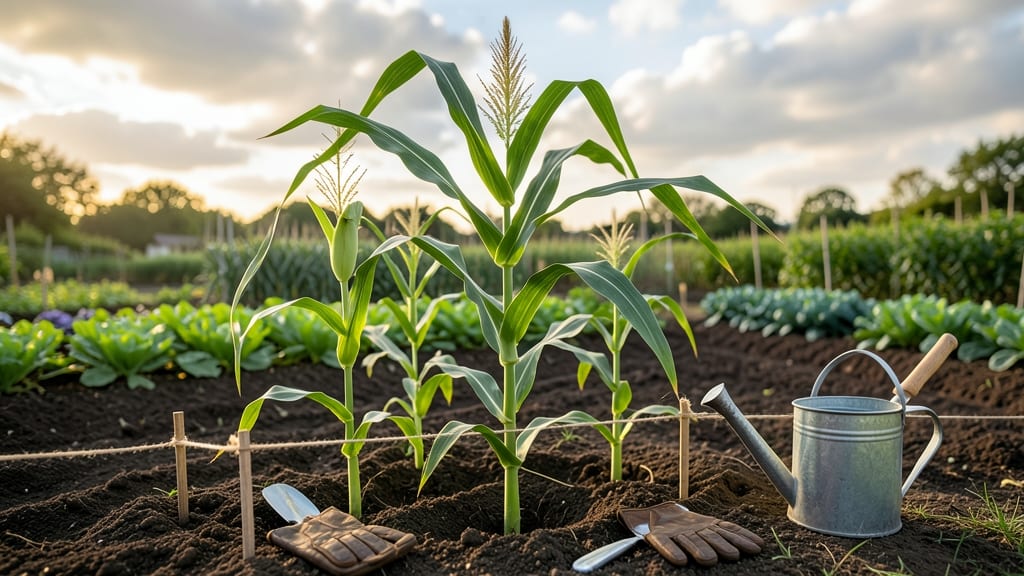
Timing your 🌽 corn planting in New Mexico wrong could mean the difference between golden ears and a sad, wilted disappointment. The high desert climate demands precision—plant too early, and frost will nip your dreams in the bud; too late, and the scorching sun will turn your crop into dust.
I’ve grown corn here for years, and the key is understanding your local USDA zone—whether you’re in Albuquerque’s 7b-8a heat or Taos’ cooler 5b-6a—because elevation changes everything.
Most gardeners in low desert areas (like Santa Fe) can start as early as mid-April, while high-elevation growers should wait until late May to avoid late frosts.
But here’s the game-changer: soil temperature matters more than the calendar. Corn needs 60°F+ soil to thrive, so don’t rush—wait until the ground warms naturally, or use black plastic mulch to speed things up.
I’ll break down the exact windows for your zone and share pro tips to beat New Mexico’s unpredictable weather.
Ready to grow plump, sweet corn that’ll make your neighbors jealous? Let’s dive into the perfect planting schedule tailored just for you.
Optimal corn planting dates by New Mexico USDA Zone (6-8) for maximum yield
New Mexico’s diverse elevations create microclimates that drastically affect corn planting. In Zone 7b-8a (Albuquerque, Santa Fe), you can plant as early as mid-March, while Zone 6a (Taos, Silver City) waits until late May to avoid frost. Timing ensures 60°F+ soil—critical for germination and drought resilience.
Corn thrives in 90-120 frost-free days. Low desert areas (like Las Cruces) enjoy 180+ days, while high elevations (Taos) have just 120 days. Choose short-season varieties (60-75 days) for Zone 6 to guarantee harvest before frost.
For sweet corn, aim for 75-day varieties in Zone 6 and 90-day in Zone 8. Field corn (for animal feed) can tolerate longer seasons (100+ days). Always direct-sow outdoors—corn hates transplanting and struggles to recover from root disturbance.
New Mexico’s dry heat accelerates growth. Plant 1–2 weeks earlier than northern states but avoid early March in Zone 6—soil stays cold, and seeds rot. Use a soil thermometer to confirm readiness; 60°F+ is non-negotiable.
In high-altitude areas, extend the season with black plastic mulch. Lay it down 2 weeks before planting to warm soil by 10–15°F. For low desert, prioritize shade cloth in summer to protect tender seedlings from 100°F+ temperatures.
Corn needs 3–4 weeks of warm soil before germination. In Zone 7, this means planting by April 15 to ensure harvest before first frost (November 15). Miss this window, and you risk immature ears or frost damage.
Pro tip: Succession plant every 2 weeks in Zones 7–8 for continuous harvests. In Zone 6, stick to one planting in late May to avoid bolting (premature flowering) from heat stress.
🌽
How to adjust planting timing for New Mexico’s unique climate challenges
New Mexico’s high desert climate throws curveballs at corn growers—dry winds, rapid temperature swings, and thin soils can sabotage even the best-laid plans. But with the right adjustments, you can outsmart these challenges.
I’ve learned that soil warming is your secret weapon, especially in cooler high-elevation areas like Santa Fe (Zone 7) or Taos (Zone 5-6).
The key is black plastic mulch, which raises soil temps by 10-15°F in just days. Lay it down 2-3 weeks before planting to create a microclimate where corn thrives.
For drought-prone areas like Las Cruces (Zone 8), focus on deep watering—corn roots need 1-2 inches of water weekly, but shallow puddles waste moisture in our sandy soils.
Here’s how I adapt timing by elevation:
For drought-resistant varieties, I swear by 'Pueblo White' and 'Black Aztec'—they thrive with 30% less water than standard hybrids. Pair them with straw mulch to lock in moisture, and watch your corn beat the heat. My biggest lesson? Timing isn’t just about dates—it’s about reading your land.
Pro tip: Check soil moisture at sunrise—if the top 2 inches are dry, it’s time to water. In New Mexico, morning watering prevents fungal diseases like corn smut, which thrives in our humid summer nights.
With these tweaks, even the most challenging microclimates can yield golden, plump ears.