
Plants
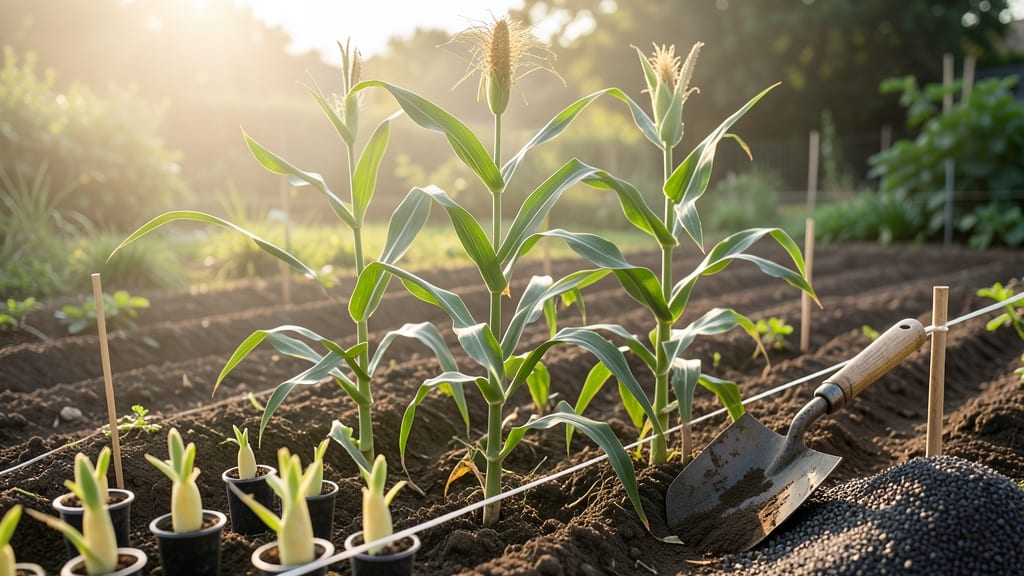
Planting corn in Pennsylvania at the wrong time can mean the difference between a bountiful harvest and a disappointing loss—especially when unpredictable spring frosts lurk around every corner. Whether you're a seasoned gardener or a first-timer with a 🌽 in hand, getting the timing right in Zones 5b-6b is non-negotiable.
Here’s the truth: Pennsylvania’s last frost typically arrives between mid-April and mid-May, but that’s just the starting point. Soil temperature—not air temperature—is the real game-changer, and corn needs the ground to warm to at least 50°F before seeds go in.
Plant too early, and frost will nip tender sprouts; too late, and your 90-day varieties won’t mature before the first autumn chill.
In this guide, I’ll break down the exact planting windows for your region, from Pittsburgh’s cooler microclimates to Philadelphia’s slightly warmer pockets. You’ll learn how to read soil cues, adjust for late frosts, and even pick the right corn varieties to beat Pennsylvania’s short growing season.
Let’s get your 🌽 off to the best possible start—because timing isn’t just about the calendar, it’s about giving your plants the fighting chance they deserve.
Best corn planting dates in Pennsylvania by Zone 5b-6b (with frost risk data)
Timing your corn planting in Pennsylvania is all about balancing soil warmth and frost risk. The last frost date typically falls between April 15 and May 15, but microclimates in cities like Philadelphia and Pittsburgh can delay frost by 1-2 weeks.
For best results, wait until the soil temperature reaches 50°F+—corn seeds won’t germinate below this threshold.
In Zone 5b (e.g., Erie, Scranton), aim to plant mid-April to early May. Warmer Zone 6b areas (e.g., Harrisburg, Lancaster) can start late April to mid-May.
Rural areas often have earlier frost risks than urban zones, so adjust your schedule accordingly. Using a soil thermometer is my go-to tool for precision planting.
🌽 Pro Tip: If you’re eager to start early, use black plastic mulch to warm the soil faster. This can shave off 1-2 weeks of waiting time, especially in cooler regions.
For reliable germination, I recommend using biodegradable seed starters or planting directly into warm soil. If you’re in a Zone 5b area and plant too early, a late frost can kill seedlings. To mitigate this, use row covers or plant in raised beds, which warm up faster.
Corn thrives on long, hot summers, so prioritize early-maturing varieties (85–100 days to harvest) if you’re in northern PA. In southern PA, you can push to 110-day varieties like ‘Peaches and Cream’ for larger ears. Always check the seed packet for days-to-maturity guidelines.
If you miss the spring window, don’t despair—late June is still viable for short-season varieties. However, yields may be smaller, and you’ll need to harvest earlier before fall frosts arrive. Use a planting calendar like the one from Penn State Extension to track local frost dates.
One critical mistake I see often is planting corn too shallowly (less than 1 inch deep). Corn seeds need consistent moisture and warmth, so bury them 1–1.5 inches deep in loose, well-draining soil.
Overcrowding is another issue—space seeds 4–6 inches apart in rows 3 feet apart for optimal air circulation.
For urban gardeners, consider container growing with 5-gallon pots or larger. Just ensure the container has drainage holes and you’re using a lightweight potting mix. Corn roots are deep and need space to grow—don’t skimp on container size!
Finally, monitor your local weather forecasts in the days leading up to planting. A heatwave can push soil temps up quickly, while cool nights may delay germination. Adjust your planting date if needed—flexibility is key in Pennsylvania’s unpredictable climate. 🌱
Best corn planting dates in Pennsylvania by Zone 5b-6b (with frost risk data)
Pennsylvania’s last frost dates typically range from April 15 in southern regions to May 15 in northern areas, but microclimates can shift this by weeks. For corn germination, soil temperatures must stay above 50°F consistently.
In Zone 5b, aim for mid-April to early May, while Zone 6b gardeners can start slightly earlier in late March if using row covers.
Corn thrives on 160 frost-free days, so planting too late risks stunted ears. My rule of thumb: plant after soil warms to 60°F and at least 2 weeks post-last frost.
For Pittsburgh (Zone 6a), this often means late April to early May, while Philadelphia (Zone 7b) can start as early as mid-April. Rural areas may need adjustments due to cooler nights.
| Zone | Ideal Planting Window | Soil Temp Threshold | Frost Risk |
|---|---|---|---|
| 5b (Northeast PA) | Late April–May 10 | 50°F+ (consistent) | High until May 15 |
| 6a (Central PA) | Mid-April–May 1 | 55°F+ (minimum) | Moderate until May 1 |
| 6b (Southwest PA) | Late March–April 30 | 60°F+ (optimal) | Low after April 15 |
🌽 Note: Use black plastic mulch to warm soil faster in cooler zones.
For successful germination, seeds need 1-inch depth and moisture retention. If your area experiences late frosts, consider starter plants or row covers to extend the season.
I’ve had the best luck with ‘Peaches and Cream’ in Zone 6b—its 85-day maturity aligns perfectly with our first frost dates in early October.
Pro tip: Test soil temperature with a soil thermometer before planting. Corn roots struggle in cold, wet soil, which can lead to rot or poor germination.
If temperatures dip below 50°F, wait 1–2 weeks. Penn State Extension offers free soil tests to check pH (ideal: 6.0–6.8) and nutrient levels before planting.
Regional adjustments matter! Philadelphia’s urban heat island can push planting dates 1–2 weeks earlier than rural areas. Meanwhile, Poconos (Zone 5b) may need to wait until May 1 to avoid frost damage. Always monitor local weather forecasts and adjust your planting schedule accordingly.
Remember: Corn needs space—plant seeds 4–6 inches apart in rows 3 feet apart for proper airflow. Overcrowding leads to smaller ears and increased disease risk. With the right timing and care, you’ll harvest plump, sweet ears by late July in most of Pennsylvania!